Zoe E-Tech 52kWh vs Hyundai Kona Electric 48kWh: A Compact EV Showdown
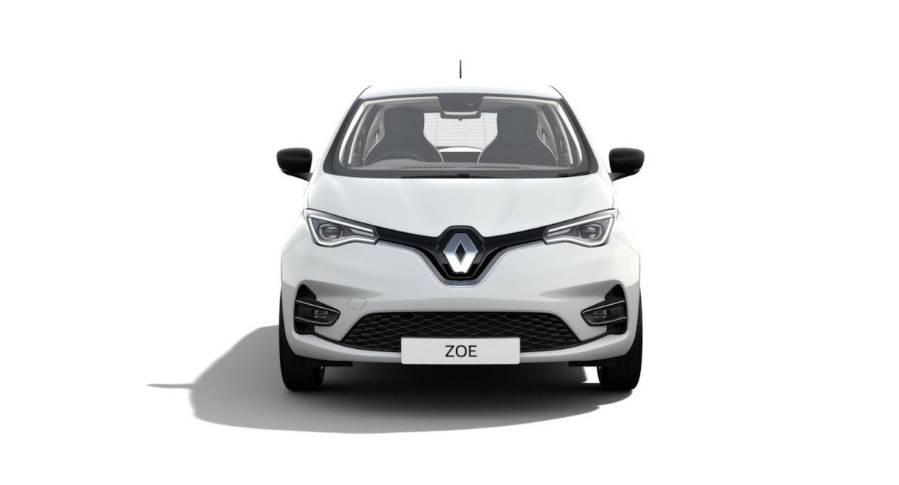
The electric vehicle market is growing fast, and two models continually sway customers and lead the sales numbers within the small EV market: the 52kWh Renault Zoe E-Tech and the 48kWh Hyundai Kona Electric. These vehicles have carved out huge shares of the market by delivering compelling packages that at least approach practicality and forward-thinking technology. They are groundbreaking in their own way, more than simply a means of transport from point A to point B, but a symbol or beacon of the electric transition, turning zero-emissions driving into something accessible and desirable for the masses.
Part of their appeal is that they have a nice balance of real-world range, fun-to-drive performance, and tech features that were once only available in the luxury tier. The Renault Zoe E-Tech is the evolution of 10 years of electric expertise and experience distilled into a formula that enables the creation of a sophisticated and efficient city car. A pioneer in the European EV arena, its history has always been about pushing the envelope and understanding what the drivers want. By comparison, the Hyundai Kona Electric makes its stand as a more daring SUV, by challenging the conventional with its unique styling and an emphasis on technology. The comparison sets the scene for a classic showdown: the old guard competing with an up-and-comer, value versus risk, the innovators, and European heritage versus global powerhouse.
This full review of the Zoe E-Tech 52kWh will help you see how both models look at the future of mobility. We’ll explore their distinct design codes, from the Zoe’s chic, fluid lines to the Kona’s futuristic and tough looks. By studying their latest features, powertrains and engineering tricks, we can get a better understanding of where they fit. The Zoe E-Tech is the Shanghai family’s answer to the quintessential EV: small, practical, perfect for city life but with the legs for longer sojourns. The Kona Electric offers a new take on the compact SUV, balancing city-street savvy with weekend away-from-it-all potential. This comparison test will show which of these popular EVs truly is not only the best today, but the best bet for the roads of tomorrow.
A Quick Look: Zoe E-Tech vs. Kona Electric
Before plunging into this detailed review of the Zoe E-Tech 52kWh, here’s a quick rundown on how the Renault Zoe E-Tech 52kWh compares with the Hyundai Kona Electric 48kWh. This digest is designed for quick identification of what really differentiates these two very capable electric cars.
| Feature | Renault Zoe E-Tech 52kWh | Hyundai Kona Electric 48kWh |
|---|---|---|
| Manufacturer | Renault, a European carmaker that has been at the forefront of the European EV market for well over 10 years. | Hyundai, a South Korean auto conglomerate synonymous with rapid-tech advances and bold designs. |
| Model Year | Current generation with major technology, design and range upgrades. | Current generation with major technology, design and range upgrades. |
| Body Type | 5-door supermini hatchback designed to be agile and efficient on city streets. | Subcompact crossover SUV, giving a higher driving position and a slightly tougher look. |
| Available Trims/Variants | Equilibre and Techno variants, providing a good mix of value and premium features. | Advance and Ultimate trims, progressively featuring more tech and comfort. |
| Interior and Exterior Designs | Refined, stylish European design with clean lines and an environmentally conscious, driver-centred cabin. | Futuristic and adventurous design approach, featuring unique split headlights, rugged body cladding, and a tech-focused interior. |
| Performance and Driving Experience | Lively acceleration, agile handling and quiet, comfortable ride, making it a city bestie. | Good, instant torque and feels stable and planted, well-suited for city driving and running on the highway. |
| Powertrain Options | 52kWh battery and R135 electric motor. | 48kWh battery pack, the well-liked standard-range variant. |
| Innovations & Features | Caméléon charger for flexible AC charging and a sophisticated battery management system. | Advanced driver-assistance systems (ADAS) and a user-friendly infotainment system with excellent connectivity. |
| Price Range | Often seen as a very good value way into EV ownership. | Pricing is more reflective of its crossover body style and extensive pack list. |
Design Philosophy: European Chic Meets Korean Futurism
When you place the Renault Zoe E-Tech and the Hyundai Kona Electric side by side, you’re looking at two different, but equally exciting, outlooks for a small electric car. The design and engineering philosophy of each brand is unique according to its history, position in the market and ambitions. Renault, a trailblazer of EVs in Europe, treats the Zoe with refinement and evolution rather than revolution. The overarching thing is to make electric driving intuitive, to make it accessible, and even to make it part of everyday life. This is summarised in a design concept special. The soft, friendly, efficient design which we said in our earlier taste samples, “built with maximum efficiency” and usability in real life. Focusing on improvements on things that already work, the Zoe engineering team set out to maintain the class-leading AC charging flexibility, while also enhancing the powertrain, sufficiently matured to provide a smooth, quiet, and responsive driving experience, especially suited for city driving.
Bold and a bit chaotic, this is how Hyundai sees the Kona Electric. Speed of the brand with a philosophy grounded in rapid innovation and disruption of the status quo. With a more sculptural design with futuristic solutions rather than traditional automotive lines, the Kona Electric makes a design statement. Surely one of the best-looking electric vehicles on the road. It’s based on the belief that an electric vehicle should look as futuristic as the technology it contains. This can be seen in its new “Seamless Horizon Lamp” and parametric pixel design motifs. The engineering leans toward a feature-rich experience, filling the car with advanced driver-assistance features and a highly connected digital cockpit that speaks to Hyundai’s desire to lead in automotive technology.
Zoe E-Tech 52kWh vs. Hyundai Kona Electric 48kWh: Similarities and Differences
At least from a body style standpoint, the differences are very clear. The Zoe is a normal supermini hatchback, low to the ground and small enough to be able to weave in between other cars on narrow city streets and fit in small parking spots. The Kona is a subcompact SUV with more rugged body cladding and a higher profile. This essential distinction runs through all their design. The smooth, flowing lines and rounded forms of the Zoe are inspired by a desire to create an aerodynamic and friendly vehicle, while giving the overall package a sense of warmth and character. The Kona’s incisive styling, sharp creases, prominent wheel arches and unique split-headlight layout give it a sportier and more dynamic overall persona.
But there are commonalities tied to the demands of EV design. Both have a closed-off grille section, a signature of electric cars that don’t need as much cooling up front as vehicles with internal combustion engines. Both, too, use signature lighting highlights for their futuristic looks. The Zoe features C-shaped LED daytime running lights that flow seamlessly into the rest of the headlight assembly, while the Kona’s pixelated light bars give it a futuristic and highly recognisable design, day or night.
And these design tendencies are what also make them more popular with certain age groups of people. The Zoe E-Tech’s sleek, sophisticated and somewhat timeless aesthetic generally holds good with those who have a taste for underplayed style, whether they are mature drivers or younger city-dwellers who subscribe to minimalist design. The Kona Electric, on the other hand, employs a futuristic, aggressive, tech-oriented and somewhat rebellious design language that appeals to a younger crowd as well as early adopters who want their car to be a conversation piece. It’s a straightforward clash because these two are some of the best-selling and most capable non-premium EVs around. Both deliver comparable range and performance within overall battery options, meaning the decision for a buyer has to be about priorities: proven city agility and charging convenience of the Zoe against the versatile crossover practicality and head-turning style of the Kona.
Trim Levels Compared: Zoe E-Tech vs. Kona Electric
What to look for in an EV is often a simple matter of getting the right mix of features and value. Available trims for the Renault Zoe E-Tech and Hyundai Kona Electric come in several variants to suit your needs and budget, each designed for different priorities from basic functionalities and comfort to close-to-luxury technology. Buyers need to know how these variants are split, or some version of that buyer will almost certainly be confused and lost. This is the section of our ‘Zoe E-Tech 52kWh review’ that tells you what’s available under the skin at each price point. Renault’s approach to the Zoe E-Tech ranges from hardcore value and no-nonsense tech, while Hyundai’s options for the Kona Electric build from a technical and driver assistance perspective to a crescendo of higher-end options and driver assistance systems.
For the Renault Zoe E-Tech 52kWh, the trim interval is well-equipped Equilibre, which has everything you need for an excellent electric driving experience. Upgrading to the Techno version comes with a range of technological and comfort innovations that make every day on the road a bit more special. These pre-installed packages were designed this way to make selections easy! In contrast, the Hyundai Kona Electric 48kWh generally offers trims such as the Advance and the Ultimate, each lower grade presenting a strong bump in the level of driver-assist features, connectivity, and luxury and comfort. It’s a marketing approach that resonates with information-age consumers eager to get their hands on the new stuff.
| Feature Area | Renault Zoe E-Tech 52kWh | Hyundai Kona Electric 48kWh |
|---|---|---|
| Entry-Level Trim | Equilibre | Advance |
| Value Proposition | High value, offering the full battery and essential tech like a 10-inch driver display and automatic climate control. | Strong standard tech package, including a large infotainment screen and a robust set of initial safety features. |
| Key Features | 100kW DC Charging, 10” Driver Display, 7” EASY LINK touchscreen with Apple CarPlay/Android Auto, Automatic Air Conditioning, Keyless Entry. | 12.3” Infotainment Touchscreen, 17” Alloy Wheels, Front and Rear Parking Sensors, Rear-view Camera, Smart Cruise Control. |
| Top-Tier Trim | Techno | Ultimate |
| Value Proposition | Adds desirable tech and comfort features for a modest price increase, focusing on an enhanced daily driving experience. | A tech-forward showcase with near-premium features, advanced driver aids, and luxury appointments. |
| Key Features | Wireless Phone Charging, Satellite Navigation, Upgraded Upholstery (recycled materials), Rear-view Camera, 17” Alloy Wheels. | Full-width “Seamless Horizon Lamp,” Highway Driving Assist 2, Premium BOSE Audio System, Heated/Ventilated Seats, Sunroof. |
| Optional Upgrades | Options are typically limited, with a focus on paint choices and a winter pack (heated seats/steering wheel) to simplify purchasing. | Often includes options for upgraded interior colours or specific tech packages, though many features are bundled into the Ultimate trim. |
The Equilibre trim offers essential tech and comfort, making EV ownership accessible without sacrificing quality. The Techno trim adds modern features like wireless charging and navigation, enhancing everyday convenience and interior sophistication. The Advance trim for the Kona Electric brings a comprehensive safety package and larger infotainment screen, boosting confidence and connectivity from the start. The Ultimate trim delivers standout technology and premium finishes, transforming the Kona Electric into a near-luxury experience with features suited for long journeys or family life. Optional upgrades for both models allow for subtle personalisation, keeping the purchase process simple and streamlined.
Renault Zoe E-Tech: Performance & Driving Experience
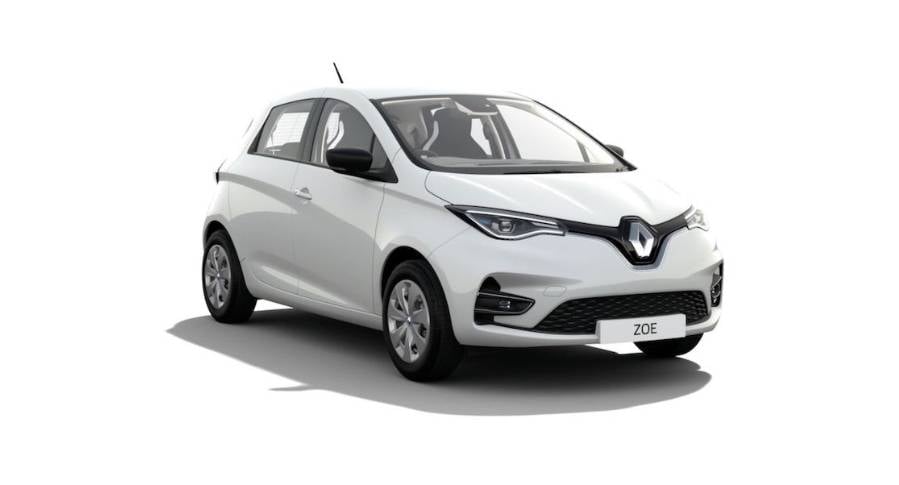
What makes a great electric car for me is not only how far it goes, but how good it is to drive. In this review of the Zoe E-Tech 52kWh, we take a closer look at the performance that made it so popular on the continent. The Zoe E-Tech houses a synchronous, exceptional unit that defines the brand’s 10 years of EV technology, the R135 electric motor from Renault. It generates 100 kW (135 horsepower) and a massive 245 Nm of instant torque. This power is sent to the front wheels through a single-speed automatic transmission, allowing for smooth and continuous acceleration.
With this arrangement, the Zoe E-Tech is nippy and alert, particularly in the city. The 0 to 100 km/h (0 to 62 mph) run is made in a decent 9.5 seconds, but that number doesn’t tell the complete story. It’s the surge from zero to 50 km/h (31 mph) that’s really stunning and makes the Zoe feel so quick when pulling away from traffic lights or negotiating busy roundabouts. The maximum speed is electronically limited to 140 km/h (87 mph), which is sufficient for highway travel and also helps to conserve battery power on longer travels.
Behind the Wheel of the Zoe E-Tech
The Zoe E-Tech is driven by a principle of refined simplicity. As soon as you step on the throttle, the car rolls forward with a quiet, smooth urgency that betrays a well-engineered EV. The light, accurate steering positively glides through tight city streets. It gives enough feedback to be connected to the road without being tiring on long runs. The vehicle’s small size and tight turning circle also mean you’re well-equipped for town driving, even if you don’t make it out to the country lanes very often.
Comfort is good and is, in fact, one of the surprise elements of this car. The suspension has been made supple enough for bumps and imperfections in the road to provide a pleasant and composed ride for all who are riding in the vehicle. This emphasis on comfort doesn’t come at the total cost of handling. It’s not a hot hatch, but the Zoe E-Tech is believable on corners with its floor-mounted battery pack lowering its centre of gravity and minimising body roll for increased confidence. To tailor your driving experience even further, the driver can change the driving modes. In the normal ‘D’ mode, you get a fairly well-balanced driving style, while in ‘B’ mode (Brake mode), you substantially increase the amount of regenerative braking. When you lift your foot off the pedal in B mode, the car decelerates more aggressively, converting the kinetic energy into electricity and making it possible to drive using “one pedal” in lots of situations, an approach that makes the drive more efficient and helps reduce brake wear.
Performance & Driving Mode Comparison
| Feature | Renault Zoe E-Tech 52kWh | Hyundai Kona Electric 48kWh |
|---|---|---|
| 0-100 km/h (0-62 mph) | 9.5 seconds | Approx. 8.8 seconds |
| Primary Driving Mode | D Mode: Standard driving with moderate regenerative braking. | Normal Mode: Balanced performance and efficiency for everyday driving. |
| Efficiency/Eco Mode | Eco Mode: Reduces throttle response and climate control to maximise range. | Eco Mode: Maximises range by optimising motor output and energy usage. |
| Enhanced Regen Mode | B Mode: Strong regenerative braking for “one-pedal” driving feel. | Adjustable Regen: Paddles allow multiple levels of regenerative braking intensity. |
| Sport/Performance Mode | Not available. Focus is on smooth, efficient power delivery. | Sport Mode: Sharpens throttle response and steering for a more dynamic feel. |
The R135 motor’s 245 Nm of instant torque provides brisk acceleration, making city driving feel effortless and responsive. A supple suspension setup ensures a comfortable ride, effectively smoothing out road imperfections for a calm cabin experience. Light, precise steering and a compact turning circle make manoeuvring in tight spaces simple and stress-free. B-mode enables strong regenerative braking, allowing for “one-pedal” driving that boosts efficiency and reduces driver fatigue in stop-and-go traffic.
Interior, Comfort & Technology: The Cabin Experience
The interior of an EV is not just a cabin; it is the driver’s cockpit and a shield from the elements. That’s the basis of our interaction with machines. The Renault Zoe E-Tech and Hyundai Kona Electric take different but persuasive directions with their interiors, comfort and technology. The Zoe E-Tech embodies sustainable elegance and functional intuition in a cosy, inviting space. By comparison, the Kona Electric has a futuristic, screen-heavy cockpit teeming with all the latest digital gadgets. In this section of our in-depth Zoe E-Tech 52kWh review, you can find out which vehicle delivers a more fulfilling and future-proof indoor experience.
Renault Zoe E-Tech: Sustainable Sophistication
When you step into the Renault Zoe E-Tech, you’ll find a cabin that is modern and well thought out, with a focus on sustainability. The interior of higher-spec variants is upholstered in leather, and the dashboard textiles are made from 100% recycled materials, a decision that feels premium when you run your fingers along the surfaces while also reinforcing the environmental message of the vehicle. The design is simple and uncluttered, with a flowing dash architecture that enhances the sense of space. The ergonomics are great, as there’s an excellent array of physical buttons for things you really need to be able to operate without taking your eyes off the road, like the climate controls.
At the core of Zoe’s tech offerings is a standard 10-inch customisable driver’s display. This digital cluster is crisp, clean, and can be customised to display pertinent information, such as navigation prompts, speed and energy flow. It is surrounded by the vertically positioned EASY LINK infotainment system, offered in 7-inch or 9.3-inch dimensions. The system is also quick and easy to use, allowing easy access to Apple CarPlay and Android Auto. Comfort is a thing for people with paperwork seats well-padded for good support for the workday commutes. There’s sufficient stowage, too, including handy cubby holes and a decent glove box, but it’s obvious the priority was to design a comfortable, classy passenger compartment rather than squeeze as much storage space out of the car as possible.
Hyundai Kona Electric: A Futuristic Digital Cockpit
Striking right away is the high-tech, futuristic vibe of the Hyundai Kona Electric’s cabin. The dashboard is dominated by a sweeping panoramic display, which combines a 12.3-inch digital instrument cluster and a 12.3-inch central infotainment touchscreen into one cohesive unit. This screen-obsessed design philosophy will likely please tech-savvy drivers who prefer a clean aesthetic with physical buttons as an afterthought. The quality of the materials is robust, but Zoe gets a softer touch with recycled textiles compared to the more utilitarian plastics in here.
The Kona’s infotainment system is the icing on the cake, with colourful graphics, snappy performance, and extensive customisation. Hyundai’s native navigation and voice control systems are sophisticated, and add-on features such as a high-end BOSE audio system and ambient lighting available on the higher trims enhance the cabin experience. Driver comfort has not been overlooked, especially for the upper model grades, where heated and ventilated front seats (a rarity in this segment) are available. When it comes to practicality, the Kona’s crossover shape grants it a little extra breathing room on the inside, as well as a bigger boot, which really makes a difference if you have a small family or like to carry around bulky stuff. Hyundai also loads the Kona up with its comprehensive SmartSense suite of driver-assistance systems (ADAS), which now includes features such as Highway Driving Assist 2, which provides a more complete level of semi-autonomous support than what is generally available on the Zoe.
Head-to-Head: Technology and Usability
We have here two very different philosophies in the making! The Zoe E-Tech intelligence is friendly and well-integrated. Its mixture of a digital driver’s display, a sufficiently sized touchscreen and tactile physical buttons achieves a near-perfect harmony of contemporary convenience and practical everyday use. It’s intended to help, not to distract. Voice commands on basic functions work well, and the general feel is polished and mature.
But the Kona Electric is a different story when it comes to digital immersion. The two-screen design is eye-catching and feature-rich. Kona is hard to beat if you’re a driver who wants the latest gadgets and a ton of customisation. Its ADAS suite is also updated, offering an extra layer of protection and easing your mind on long hauls. The decision is simply a matter of taste: Do you prefer the Zoe’s understated, easy-to-use approach with a hint of sustainable luxury, or the Kona’s dramatic, screen-heavy interior that appears to be a window into the future?
Safety and Reliability: Built for Peace of Mind
There is a strong focus on safety and long-term reliability when the decision is made to buy a new car, and that’s even more true if it’s an electric car. In addition to the driving dynamics and interior technology, the peace of mind from knowing you and your passengers are protected by a strong suite of safety solutions is a big part of the equation. The Renault Zoe E-Tech and Hyundai Kona Electric are designed with a high emphasis on safety using the latest building methods and the incorporation of numerous advanced driver-assistance systems (ADAS). Moreover, their dependability is supported by extensive warranties, especially for the critical battery pack. Now we turn our review of the Zoe E-Tech 52kWh to the question of which of these two EVs will better keep you safe and provide reliable service for years to come.
Renault Zoe E-Tech 52kWh: A Foundation of Safety
Renault has been able to draw on its vast experience in designing well-known passenger cars to make sure the Zoe E-Tech is safe from the ground up. Its body is constructed to protect occupants through a rigid safety cell with front and rear crumple zones designed to dissipate energy during a collision. The Zoe features a basic range of safety equipment with several airbags (front, side and curtain), an anti-lock braking system (ABS) with emergency brake assist and electronic stability control (ESC) to assist the driver in keeping the vehicle on the road in adverse weather conditions.
The Zoe E-Tech does a great job covering the basics of active and passive safety, but its driver-assistance package focuses on the fundamental elements designed to make driving on a daily basis a little easier. These usually are lane-keep assist, traffic sign recognition and automatic high-beam headlights. These are effective at easing the burden on the driver without being too annoying. When it comes to dependability, the Zoe E-Tech rides on a platform that has been in use for the better part of a decade. Its drivetrain is a known quantity, and Renault provides a remarkable eight-year/100,000-mile warranty for the 52kWh battery, promising that it will retain at least 70% of its original capacity. This is real peace of mind for owners in the long run.
Hyundai Kona Electric 48kWh: A Leader in Driver Assistance
Hyundai has established a strong reputation for making cutting-edge safety technology available to all its vehicles, and the Kona Electric is no exception to that philosophy. It also boasts a strong body structure and a full array of airbags, but its main ace is a long list of driver-assist devices called SmartSense. Even on the base Kona Electric trims, you get features that are optional on many competing models, such as Forward Collision-Avoidance Assist, Lane Following Assist, and Smart Cruise Control with Stop & Go.
Progressing to higher-level trims gives you even more advanced functions, including Highway Driving Assist 2 (HDA 2). It integrates adaptive cruise control and active lane-centring to let you drive semi-autonomously on highways and eases tiredness while you are on long trips. Blind-Spot Collision-Avoidance Assist provides an extra margin of safety for lane changes. Hyundai also has a reputation for excellent warranty coverage. The Kona Electric comes with a 5-year/unlimited-mileage vehicle warranty and the standard 8-year/100,000-mile high-voltage battery warranty, offering reassurance and a certain level of protection for the owner’s investment. This broad ADAS suite and solid warranty backing make the Kona an attractive option for buyers who prioritise safety.
The Zoe E-Tech is built on a proven platform with a reinforced structure, providing a solid foundation for occupant protection. Hyundai’s SmartSense suite offers a more extensive range of advanced driver-assistance systems, including semi-autonomous highway driving aids. Both models provide strong battery warranties (8 years/100,000 miles), ensuring long-term performance and peace of mind. Renault’s reliability is bolstered by over a decade of real-world data and refinement of its electric powertrain technology.
The Compact EV Market: A Head-to-Head Comparison
When it comes to the best compact EV to buy, there’s a lot to consider among the best options in the segment. Whilst this in-depth Zoe E-Tech 52kWh review has been focused on the contest between the Renault Zoe and the Hyundai Kona Electric, it’s important to have a look at how they fare against some of the other key competitors in the class. The likes of the Peugeot e-208 and Vauxhall Corsa Electric have their own individual set of strengths when it comes to the electric hatchback, and together this makes for a thriving market that can cater for the needs of pretty much any buyer.
This comparison will take a more inclusive view of these known options versus these ones. We analyse them all in key areas: cost, performance, official range (WLTP), design philosophy and overall value. By situating the Zoe E-Tech and Kona Electric within this broader perspective, we gain a clearer understanding of their relative strengths, enabling us to pinpoint which type of driver would benefit most from each model. This comparison will show you whether the refined efficiency of the Zoe, the tech-savvy crossover appeal of the Kona, the style of the e-208 or the practical familiarity of the Corsa is the best overall deal for you.
| Model | Price (Est. Starting) | Performance (0-62 mph) | Official Range (WLTP) | Design Philosophy | Value Proposition |
|---|---|---|---|---|---|
| Renault Zoe E-Tech 52kWh | £29,995 | 9.5 seconds | Up to 239 miles | Chic, elegant supermini focused on efficiency and urban agility. | Excellent real-world range, versatile AC charging, and a comfortable, high-quality cabin. |
| Hyundai Kona Electric 48kWh | £34,995 | 8.8 seconds | Up to 234 miles | Futuristic, bold crossover with a tech-centric, spacious interior. | Advanced driver aids, striking design, and superior practicality with a larger boot. |
| Peugeot e-208 | £31,200 | 8.1 seconds | Up to 225 miles | Sharp, sporty, and distinctive with a futuristic i-Cockpit interior. | Strong performance, premium-feel interior, and engaging driving dynamics. |
| Vauxhall Corsa Electric | £32,445 | 8.1 seconds | Up to 222 miles | Conventional and familiar, offering a straightforward transition to electric. | User-friendly, easy to drive, and backed by a widespread dealer network. |
Which Buyer Does Each Car Suit Best?
After assessing the specifications and features of each model, the following buyer profiles can be easily identified:
Renault Zoe E-Tech 52kWh
This car is the practical but fashionable city dweller’s dream. Its driver cares about real-world economy and comfort, and twice-squared the convenience of a 22kW AC charger such as that in the Renault, which makes charging times many times shorter at many public infrastructures. The Zoe’s supple ride, quiet cabin, and refined driving manners ensure that it is as well-suited to daily commutes as it is for city living. It’s for people who want a proven, mature EV platform and a little bit of sustainable European elegance but don’t want the most aggressive performance or the largest size.
- Fast AC charging makes urban life easier with reduced downtime at public chargers.
- Comfortable, quiet interior ideal for daily use and longer drives.
- Efficient and proven EV technology ensures reliability for city drivers.
- Elegant, understated design brings a sense of sophistication and trust.
Hyundai Kona Electric 48kWh
If the Kona Electric has been designed to appeal to the geeky single or couple that permanently checks under the hood of their EV, then the base trim Uber-saver ought to be overwhelming to tech-savvy fans. Its hatchback body shell is backed by such practicality that you can’t find in a conventional hatchback model. The buyer is looking for the latest and greatest driver-assistance features, a massive and eye-popping infotainment system, and a design that’s significantly bolder than the average car. It’s most appropriate for someone who thinks a car should reflect their contemporary, connected life, and can be relied on for getting around town as well as weekend road trips.
- Crossover design provides extra space and flexibility for active lifestyles.
- Leading driver assistance systems enhance safety and reduce fatigue.
- Large infotainment screens and tech features keep every drive engaging.
- Bold, contemporary styling ensures a distinctive presence on the road.
Peugeot e-208
This is a vehicle that will convince the driver who is waiting for the electric car to be too boring. With sharp performance and striking, lion-claw style lighting, the e-208 is the vehicle for those who love driving and want to express their personality. The distinctive i-Cockpit, featuring a small steering wheel and a high-positioned digital display, is designed for those who desire an immersive, sporty driving experience. For someone who likes their EV to have a little flair and personality, it’s the ideal combination.
- Sporty performance and dynamic handling deliver a fun driving experience.
- Distinctive exterior design stands out with innovative lighting.
- I-Cockpit interior creates an immersive and driver-focused cabin.
- Ideal balance of driving enjoyment and everyday usability.
Vauxhall Corsa Electric
For practical buyers taking a confident first step into electric mobility, the Corsa Electric is the ideal choice. That combines to make for a driving experience that is very familiar and easy to relate to if you know the petrol-powered Corsa that millions of drivers have. This driver likes the simplicity, ease of use and comfort that comes with a well-known brand. It’s the default option for anyone who wants the benefits of an EV, low running costs, and near-silent operation but without a steep learning curve or funky design.
- Familiar design eases the transition from petrol to electric driving.
- Straightforward controls and driving dynamics build immediate confidence.
- Trusted brand and broad dealer support add peace of mind.
- Low running costs and quiet operation benefit everyday life.
Why Choose Zoe E-Tech and Kona Electric?
Comparing two of the best-selling EVs on the market isn’t a straightforward task. It’s a matter of assessing how a car’s personality aligns with your life. The Renault Zoe E-Tech 52kWh and the Hyundai Kona Electric 48kWh both make strong cases for going electric, but they do so in very different ways. They are also designed to address different customer groups, and they do this according to their brand’s wider market strategy. Because this decision isn’t just about buying a car; it’s about finding a partner in mobility that syncs with your life, whether that means weaving through tight city streets, crossing state lines, or just soaking in the serenity of electric power.
Renault Zoe E-Tech 52kWh
There’s nothing happenstance about the Renault Zoe E-Tech’s top-ranking position in the market. It is the result of more than 10 years of intense EV specialisation, a tradition that can be felt in every corner of the car. Renault’s approach has always been to make electric driving not only feasible, but practical, fun and reachable. The Zoe E-Tech is the realisation of that aspiration, a mature and efficient offering that makes a difference in the real world. It’s no surprise that it has consistently been the top-selling EV in Europe, as it solves the basic modern driver needs: good range, effortless/usable experience, and a cosy and high-quality environment.
Hyundai Kona Electric 48kWh
The Hyundai Kona Electric also showcases the brand’s dramatic ascent as a technological tour de force. Hyundai’s approach is to upend convention with daring design and a host of sophisticated features, making technology once reserved for premium vehicles accessible to more people. The Kona Electric is more than just a car; it’s a vision for the future. It’s for the enthusiast who craves the latest advanced driver-assistance features, a high-tech digital cockpit and the versatility of a crossover body style. It’s what the techie and modern-day family (with a little more room demand and a second safety net from having the latest innovations) can enjoy.
Our Recommendation
So, is it worth buying one of these models? Absolutely. The decision simply comes down to aligning a car’s strengths with your personal priorities.
- You should choose the Renault Zoe E-Tech 52kWh if:
- You are primarily an urban or suburban driver who values nimble handling and a comfortable ride.
- Convenient and fast top-ups at public AC chargers are important to your routine.
- You appreciate a refined, high-quality cabin with a touch of sustainable elegance.
- You want a proven, reliable EV from a brand with over a decade of electric leadership.
- You should choose the Hyundai Kona Electric 48kWh if:
- You want the latest in-car technology and a futuristic digital cockpit.
- Advanced driver-assistance features, like semi-autonomous highway driving, are high on your list.
- You need the extra space, higher driving position, and practicality of a crossover.
- You favour a bold, head-turning design that makes a modern statement.
The 52kWh Zoe E-Tech is the rational choice for easy efficiency and polished comfort, but the 48kWh Kona Electric is the visionary choice for technology and practicality. Once you know what you want, you can easily select the best electric vehicle to drive you into the future.
Ready for your ideal EV? Visit The.Car now and message for spec comparisons and custom advice.