Audi Q6 e-tron vs Polestar 3: The EV Showdown
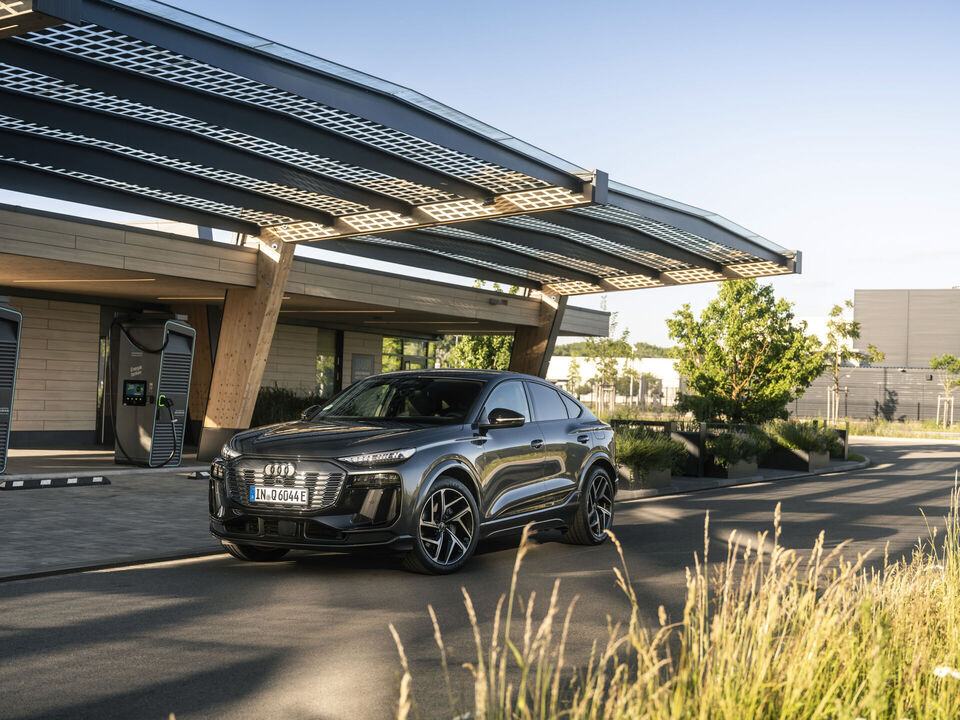
The market for premium electric SUVs is broadening fast; yet two vehicles have always garnered the attention of savvy customers: the Audi Q6 e-tron and the Polestar 3. These chassis have become titans, dominating every metric of discussion and sale with their winning combination of track performance, technology, and bold, stiff design. With a shift in the driver towards electric vehicles, the fight for dominance within the segment is heating up, and in this Audi Q6 e-tron vs Polestar 3 comparison, we look to see which challenger really takes the lead. They exemplify what each brand can do at its best, but they differ in how they view the future of mobility.
The Audi Q6 e-tron is a reminder that a legacy brand can be innovative in the electric space. Marketed as a luxury electric SUV, it rides on a new platform dubbed Premium Platform Electric (PPE), developed together with Porsche. It is this platform that allows it ample range, fast charging and great performance. The Q6 e-tron is more than just an electric vehicle; it is an Audi in every sense, emphasising the brand’s dedication to excellence, leading-edge lighting technology and an inherently driver-centric digital experience. It is the evolution of a powerhouse that combines traditional luxury with next-generation technology.
In the other corner, meanwhile, is the Polestar 3, an expression of understated Scandinavian design and focused electric performance. This is no ordinary large, high-performance SUV, as it breaks the mould with its curvaceous, aerodynamic profile and a dual-motor powertrain as standard. From Polestar, Volvo’s performance division, comes a vehicle that is at once a design statement and a technology powerhouse, the embodiment of cutting-edge innovation. A fresh take, employing recycled materials and a Google-based infotainment system that redefines user engagement. It’s a narrative that paves the way for an intriguing matchup: the tried-and-true lineage of Audi vs. the razor-edge tech intelligence of Polestar.
- Market Leaders: The Audi Q6 e-tron and Polestar 3 are pivotal models in the premium electric SUV segment, leading sales and capturing significant buyer interest.
- Distinct Philosophies: Audi builds on its legacy of luxury and engineering dominance, while Polestar champions minimalist design and focused EV innovation.
- Advanced Platforms: Both vehicles are built on state-of-the-art electric architectures, enabling impressive range, performance, and cutting-edge technological features.
- Performance and Design: Each model offers a unique proposition, from the Q6 e-tron’s dynamic handling and signature lighting to the Polestar 3’s powerful dual-motor setup and aerodynamic styling.
At a Glance: Audi Q6 e-tron vs Polestar 3
Prior to getting into a detailed Audi Q6 e-tron vs Polestar 3 comparison, here is a fast unpacking of what separates these two brilliant electric SUVs as choices. This synopsis contains the most important points to know at a glance. For the detailed comparison, continue reading.
Audi Q6 e-tron
- Manufacturer: Audi AG
- Model Year: 2025
- Body Type: Luxury Electric SUV
- Available Trims/Variants: Q6 e-tron quattro, SQ6 e-tron
- Interior and Exterior Designs: Features Audi’s signature Sportback-inspired silhouette with a strong, confident stance. The interior is driver-focused, introducing a new digital stage with a panoramic display and passenger screen, all crafted with premium, sustainable materials. Active digital light signatures offer unprecedented personalisation.
- Performance and Driving Experience: Delivers a dynamic and engaging drive, characteristic of Audi, with precise handling and a comfortable ride. The new PPE platform ensures a low centre of gravity and balanced weight distribution for superb agility.
- Powertrain Options: All-wheel drive (quattro) is standard at launch, powered by a dual-motor setup. A rear-wheel drive option is expected to follow.
- Innovations & Features: Built on the advanced Premium Platform Electric (PPE) architecture for 800-volt charging, extended range, and superior performance. Features the next-generation E3 electronics architecture, a new infotainment system, and world-first active digital light signature technology.
- Comparison: Competes on its legacy of luxury, advanced technology integration, and brand prestige, offering a highly customisable and sophisticated driving experience.
- Price Range: Positioned in the premium segment, with pricing reflective of its advanced features and luxury positioning.
Polestar 3
- Manufacturer: Polestar
- Model Year: 2024
- Body Type: Performance Electric SUV
- Available Trims/Variants: Long Range Dual Motor, Long Range Dual Motor with Performance Pack.
- Interior and Exterior Designs: Embodies minimalist Scandinavian design with a sleek, aerodynamic profile and a distinctive, low roofline. The interior is spacious and uncluttered, using sustainable materials and centred around a large, tablet-style infotainment screen.
- Performance and Driving Experience: Offers formidable straight-line acceleration and a sporty feel, especially with the Performance Pack. The standard air suspension provides a comfortable yet controlled ride, balancing comfort with dynamic capability.
- Powertrain Options: Exclusively available with a powerful dual-motor, all-wheel drive setup.
- Innovations & Features: Features a standard panoramic glass roof and a comprehensive suite of safety technologies derived from Volvo. Its infotainment system is powered by Android Automotive OS with Google built in, offering seamless integration and user-friendly operation.
- Comparison: Stands out with its unique design, potent standard performance, and a strong emphasis on sustainability and minimalist aesthetics.
- Price Range: Enters the market at a premium price point, competing directly with established luxury EVs.
Overview & Design Inspirations
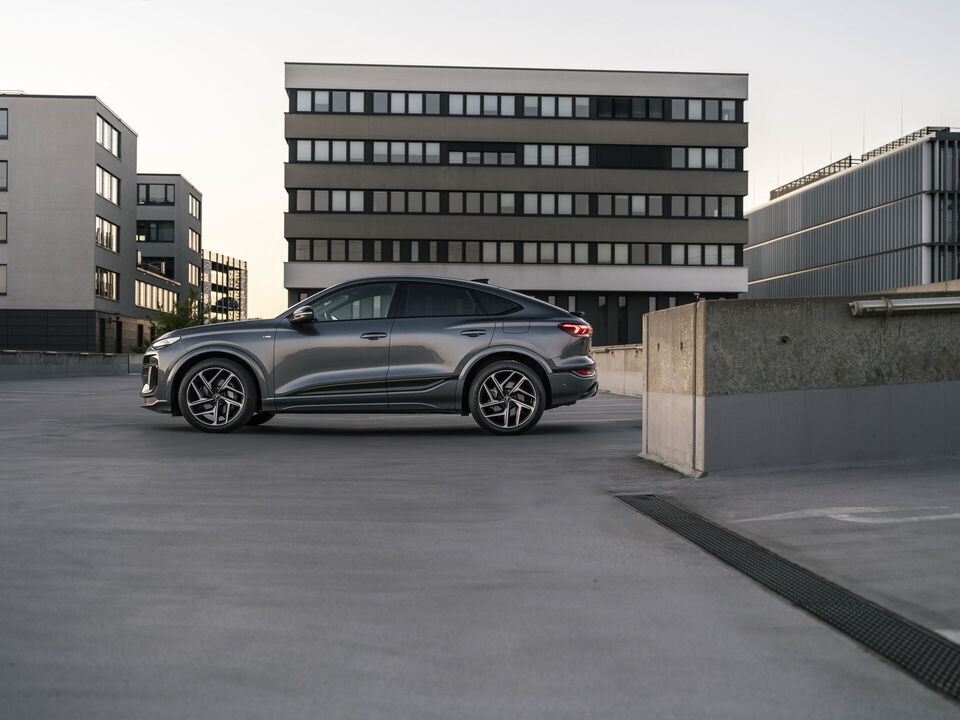
In the corner of five- and six-figure price tags to the car lovers, design in high-class electric SUVs isn’t purely aesthetic; it is a statement of purpose. Audi’s Q6 e-tron and the Polestar 3 stand as competing interpretations of the same question: What is the ideal future for high-end transportation? Both cars are built to be the most efficient and best performing in their segments, but they differ visually and structurally from the ground up.
The Q6 e-tron is the next evolution of the familiar path that Audi has laid out. It doesn’t want to repel the Q5 and Q7 diehards who have been with the models for ages, it elevates familiar signals into the electric era. The line is definitely Audi, muscular, planted and sophisticated. The “singleframe” grille is still present, but it is now inverted, closed off and a tech panel instead of an air intake. Engineering a design philosophy that equates with “Vorsprung durch Technik” (Progress through Technology), and by utilising the new Premium Platform Electric (PPE), the wheels are pushed to the corners, allowing for a spacious interior while maintaining a dynamic exterior footprint.
In contrast, a “purer” philosophy takes shape as Polestar, free from reminiscence of a long tradition. The Polestar 3 is Scandinavian minimalism at its most aerodynamic. Its design is dictated by the air; the front wing in the bonnet and rear spoiler on the roof are not just optical add-ons, but they contribute to reducing the drag. Polestar refers to this as “sculpted by the air,” distancing itself from the classic SUV “box” profile and opting instead for something sleeker and lower. Audi conveys bold assurance, Polestar futuristic minimalism.
Audi Q6 e-tron vs Polestar 3: Similarities and Differences
Though they epitomise polarising design philosophies, both cars epitomise sustainability and advanced architecture. Both companies claim their vehicles are “designed with maximum efficiency in mind” and use dedicated EV platforms that provide flat floors and allow for optimum positioning of batteries. The engineering DNA shared between these two designs means that they have similar proportions that include long wheelbases and short overhangs, allowing for the maximum cabin space.
Instead, the contrast is so glaring that you would be forgiven for thinking one is fake. The Q6 e-tron is gentler, featuring fluid lines and the “quattro blisters” over the wheel arches that convey a feeling of power and stability. It’s all very solid and protective. This is part of Audi’s focus on a “digital stage” that engulfs the driver in high-resolution screens and premium, tactile materials that are warm and inviting.
Comparatively, the Polestar 3 is more angular and sculptural. Its “SmartZone” front-end design eliminates the traditional grille and incorporates sensors and cameras. Inside, restraint is the name of the game, with a huge vertical touchscreen and sustainable, contemporary materials that are light and crisp.
Design Appeal: Heritage vs. Avant-Garde
The split in design is naturally going to alienate some fans of each model. The Audi Q6 e-tron is more likely to attract older buyers or those moving from internal combustion engines who want familiarity and established premium. It provides a futuristic ride that’s not too alien, mixing leading-edge tech with the comforting familiarity of a premium German car. It says, “I have made it, and I appreciate timeless quality.”
The Polestar 3 frequently appeals to a younger demographic or people who are early adopters in general and see the car more as a piece of tech hardware than as an automobile. Its sparse, almost stark design is aimed at buyers who are right-leaning disruptor brands and want their car to make “a statement or some kind of break with the past.” It says, “I am forward-thinking, and I value innovation over tradition.”
Why These Two Are Rivals
These two models go head-to-head because they are the ultimate standards of the new SUV age. In every Audi Q6 e-tron vs Polestar 3 comparison, the fact remains that you have two choices in philosophy. They’re vying for the same wealthy and environmentally aware purchaser that won’t settle for less on performance or build quality. Whether you like the warm, high-tech hug of the Audi or the cool, clipped minimalism of the Polestar, both cars show that the electric future is anything but dull.
- Engineering Philosophy: Audi leverages the PPE platform for a balance of tradition and innovation, while Polestar focuses on aerodynamic efficiency and minimalist architecture.
- Design Language: The Q6 e-tron features muscular, organic curves and a familiar “singleframe” face; the Polestar 3 adopts a sharp, aero-led silhouette with a “SmartZone” sensor panel.
- Target Audience: Audi’s design resonates with mature buyers valuing established luxury; Polestar appeals to younger, tech-focused buyers seeking a break from tradition.
- Rivalry Context: Both compete as premium benchmarks, offering distinct interpretations of the luxury electric SUV, warm and substantial vs. cool and reductive.
Variants & Trims Breakdown
Choosing the best electric SUV is not usually as simple as pointing at a model and driving off. It’s about picking a particular variant that suits your lifestyle, whether that’s maximum range for trans-continental touring or raw acceleration for the sheer thrill of driving. In this part of our Audi Q6 e-tron vs Polestar 3 comparison, we compare the variants and trims and show how these two automakers cater for each of their brands’ distinct paths to premium ownership.
Audi Q6 e-tron: The Art of Personalisation
Audi has long been the pioneer of bespoke luxury, and the Q6 e-tron upholds that tradition. The range is designed to provide a firm foundation, with unique “Editions” and packages that elevate the base model.
- Q6 e-tron quattro (Sport / S line): The entry point into the range is anything but rudimentary. The standard ‘Sport’ pack is well stocked, with 19-inch alloys, LED headlights, and the fully digital MMI panoramic display. Upgrading to the S line brings now-standard Audi visual muscle, sportier bumpers, 20-inch wheels and privacy glass. This model represents the best balance of efficiency and performance in the line-up. It resonates with the pragmatic shopper who seeks the premium Audi experience without the intense performance direction of the S model.
- SQ6 e-tron: For those seeking even greater power, the SQ6 e-tron stands as the top-tier performer. It is more than a trim level; it is a declaration of purpose. It has a more powerful dual-motor configuration, adaptive air suspension as standard, and specific ‘S’ design details such as red brake callipers and Nappa leather sport seats. This quintessence model turns the Q6 into a high-energy sports SUV instead of a calm cruiser.
- Notable Packages: Audi makes everything granular. The Sound & Vision Pack includes a Bang & Olufsen 3D sound system and a head-up display with augmented reality. The Tech Pro Pack is a must-have for tech-lovers, offering (for non-S models) adaptive air suspension and digital OLED rear lights.
Polestar 3: The Curated Approach
Polestar subscribes to a different ideology, coined “curated simplicity.” Rather than confusing individual options, they package features into value tiers, and the standard levels of equipment are surprisingly generous.
- Long Range Dual Motor: This is the core of the Polestar 3 range. Even in this “standard” guise, the car is incredibly well-specified. It includes air suspension, a panoramic glass roof, and a comprehensive suite of Pilot Assist safety features as standard. The focus here is on effortless touring capability and everyday usability.
- Long Range Dual Motor with Performance Pack: Adding the Performance Pack changes the character of the car. It unlocks extra horsepower (bumping output significantly), tweaks the chassis tuning for sharper handling, and adds striking 22-inch forged alloy wheels and Swedish Gold details on the seatbelts and valve caps. It trades a small amount of range for a significant increase in driver engagement.
- Notable Packages: Polestar simplifies the process. The Pilot Pack (often standard in launch editions) covers advanced driver assistance. The Plus Pack adds luxury touches like the Bowers & Wilkins audio system, soft-close doors, and heated rear seats.
Different Variants: Strengths and Value
The Audi Q6 e-tron has a “build-your-own” value proposition. You don’t have to buy features you don’t want. If you want the quickest powertrain and don’t care about a fancy stereo, you can build the SQ6 to your liking. This type of modularity is a plus for buyers who know exactly what spec they’re after. The “Edition 1” models are exceptional value with many of the most popular exterior and technology options packaged together at a highly competitive price.
The Polestar 3 has an “all-inclusive” value proposition. The base price is higher than the cheapest Audi, but factor in what’s included, air suspension and Pilot Assist, and the difference closes. Polestar is enticing buyers who want a fully loaded car but don’t want to spend hours ticking boxes on a configurator.
Audi Q6 e-tron vs Polestar 3 Spec Sheet Appendix
| Feature | Audi Q6 e-tron quattro (S line) | Audi SQ6 e-tron | Polestar 3 Long Range Dual Motor | Polestar 3 w/ Performance Pack |
|---|---|---|---|---|
| Powertrain | Dual Motor AWD | Dual Motor AWD (High Output) | Dual Motor AWD | Dual Motor AWD (High Output) |
| Power Output | 382 hp (285 kW) | 510 hp (380 kW) | 489 hp (360 kW) | 517 hp (380 kW) |
| 0-62 mph (0-100 km/h) | 5.9 seconds | 4.3 seconds | 5.0 seconds | 4.7 seconds |
| Max Range (WLTP) | ~381 miles | ~367 miles | ~390 miles | ~347 miles |
| Key Standard Tech | MMI Panoramic Display, LED Plus Headlights | Adaptive Air Suspension, OLED Lights | Air Suspension, Pilot Assist, Google Built-in | 22″ Forged Wheels, Polestar Engineered Tuning |
| Charging (DC) | Up to 270 kW | Up to 270 kW | Up to 250 kW | Up to 250 kW |
| Est. Starting Price (OTR) | £68,975 | £92,950 | £75,900 | £81,500 |
Note: Prices and specs are indicative of current UK market data and manufacturer quotes; exact figures may vary based on final configuration and model year updates.
- Flexible Configuration: The Audi Q6 e-tron allows for precise customisation through distinct trims like S line and optional packs, ensuring you only pay for the features you truly value.
- Curated Luxury: The Polestar 3 adopts a simplified approach with high levels of standard equipment (including air suspension), making the buying process straightforward but less flexible.
- Performance Tiers: Both manufacturers offer a clear step-up for enthusiasts, the SQ6 e-tron and the Polestar Performance Pack, delivering sharper handling and faster acceleration for a premium.
- Value Proposition: While the Audi offers a lower entry price, the Polestar 3 provides a “fully loaded” feel from the start, balancing the cost difference when equipping the cars comparably.
Audi Q6 e-tron vs Polestar 3: Performance & Driving Experience
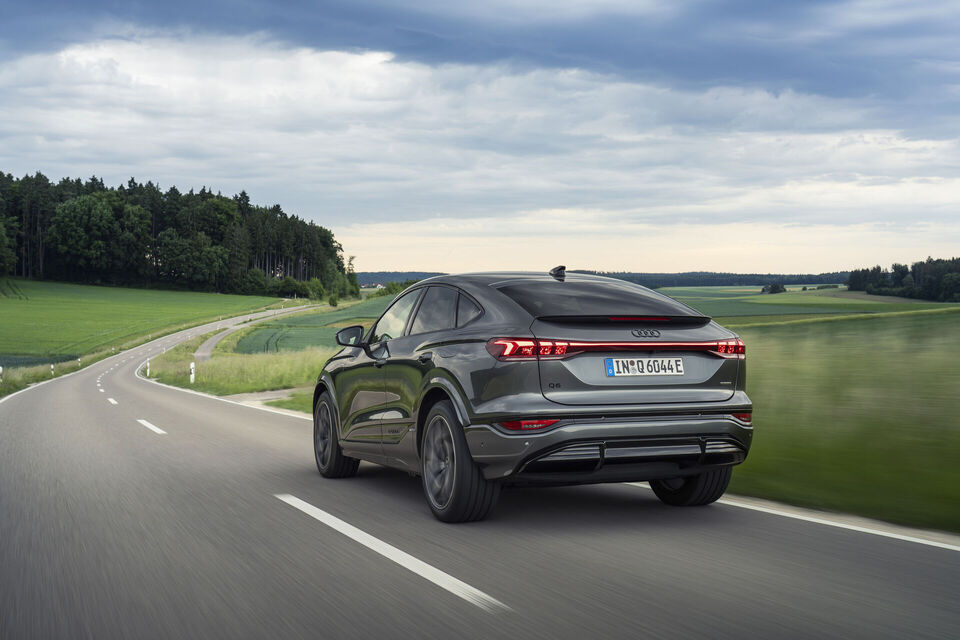
Beyond the silent hum and immediate torque inherent to any EV, the true defining factor of a high-end EV is how it handles on the road. It’s really a question of how well it converts electric power into a dynamic, engaging and comfortable driving experience. In this section of our Audi Q6 e-tron vs Polestar 3 shootout, we take a closer look at the core of these beasts, their powertrains, on-road manners, and the unique sensations that they deliver from behind the wheel.
The Audi Q6 e-tron is designed not only to be quick but to have the signature Audi feeling. It makes full use of the new Premium Platform Electric (PPE) to deliver a refined yet exhilarating ride. The standard Q6 e-tron quattro is equipped with a dual-motor asynchronous system, which delivers 285 kW (382 hp). This arrangement, combined with a single-speed transmission, enables the SUV to reach 62 mph (100 km/h) from a standstill in 5.9 seconds. The ride is cool, polished, and classically precise. The beautifully weighted and progressive steering allows you to clearly feel the road without any nervousness. In Comfort’s driving mode, the Q6 e-tron rolls over road imperfections on a plush ride quality with a well-tuned steel spring and damper arrangement.
If you want a more exciting ride, the SQ6 e-tron takes performance to a higher level. With a peak output of 380 kW (510 hp) in overboost, this high-performance TDI cuts the 0-100 km/h (0-62 mph) sprint to a searing 4.3 seconds. Importantly, adaptive air suspension is standard on the SQ6, enabling it to switch character at the touch of a button. In ‘Dynamic’ mode, the suspension stiffens, the ride height drops, and the rear-biased quattro all-wheel-drive system presents a more playful handling configuration. It handles with astonishing flatness for an SUV, and it’s surprisingly agile on its feet too, which will more than likely leave people surprised. The maximum speed of both versions is electronically limited and amounts to 130 mph for the Q6 and 142 mph for the SQ6.
By contrast, the Polestar 3 boldly proclaims its credentials for performance right from the start. All models feature standard, powerful dual-motor all-wheel-drive configurations and standard dual-chamber air suspension. Long Range Dual Motor produces 360 kW (489 hp) and 840 Nm of torque, allowing a 0-62 mph run in just 5.0 seconds. So it feels like powerful but effortless power. The ride quality is spot on as the air suspension is able to smooth out the road imperfections and keep the body stable. This is light and direct steering, albeit slightly less finely nuanced than the Audi.
The Performance Pack will turn the Polestar 3 into a true sports SUV. Power is increased to 380 kW (517 hp) and a massive 910 Nm of torque, reducing the 0-62 mph time to 4.7 seconds. The Polestar-derived chassis tuning gives you a sharper and more responsive car that tempts you to go deeper into corners. It is this immense bow wave of straight-line thrust and certainty of footing when unleashing it, which dominates the driving experience. The maximum speed for the two versions is capped at 130 mph. It may not have the fine-tuning of the Audi drive modes, but the Polestar’s single ‘Performance’ mode gets that across loud and clear: it’s there for maximum electric pace with minimum fuss.
Performance & Driving Experience Comparison
Both boast thrilling acceleration, but one has a different steering feel. Audi Drive Select: Comfort to sporty The Audi Drive Select is all about versatility and adjustability, with the driver being able to choose from comfortable to sporty the car’s dynamics. The Polestars provide a more radical, refined experience, calmly delivering gargantuan power with an assured, controlled ride.
| Performance Metric | Audi Q6 e-tron quattro | Audi SQ6 e-tron | Polestar 3 Long Range | Polestar 3 (Performance Pack) |
|---|---|---|---|---|
| 0-62 mph (0-100 km/h) | 5.9 seconds | 4.3 seconds | 5.0 seconds | 4.7 seconds |
| Power Output | 285 kW (382 hp) | 380 kW (510 hp) | 360 kW (489 hp) | 380 kW (517 hp) |
| Torque | 625 Nm | 855 Nm | 840 Nm | 910 Nm |
| Suspension | Steel Spring / Optional Air | Adaptive Air Suspension | Dual-Chamber Air Suspension | Polestar Engineered Air Suspension |
| Primary Drive Mode | Comfort: Supple, relaxed ride for daily driving. | Comfort: Supple, relaxed ride for daily driving. | Standard: Balanced ride for comfort and control. | Standard: Balanced ride for comfort and control. |
| Sporting Drive Mode | Dynamic: Firmer suspension, sharper throttle. | Dynamic: Firmer suspension, sharpened steering. | Performance: Stiffened dampers, enhanced torque vectoring. | Performance: Stiffened dampers, enhanced torque vectoring. |
- Refined Agility: The Audi Q6 e-tron provides a classic, driver-focused feel with precise steering and a composed ride, making it feel agile and communicative on any road.
- Dual-Character Performance: With the SQ6 e-tron and its adaptive air suspension, you get two cars in one: a comfortable luxury cruiser and a sharp, dynamic sports SUV.
- Effortless Power: The Polestar 3 impresses with its immense, instantly available torque and standard air suspension, delivering formidable straight-line speed and a controlled, stable ride.
- Focused Dynamics: The Polestar 3 with the Performance Pack offers a sharper, more aggressive driving experience focused on maximising acceleration and grip for a thrilling drive.
Audi Q6 e-tron vs Polestar 3: Interior, Comfort & Technology
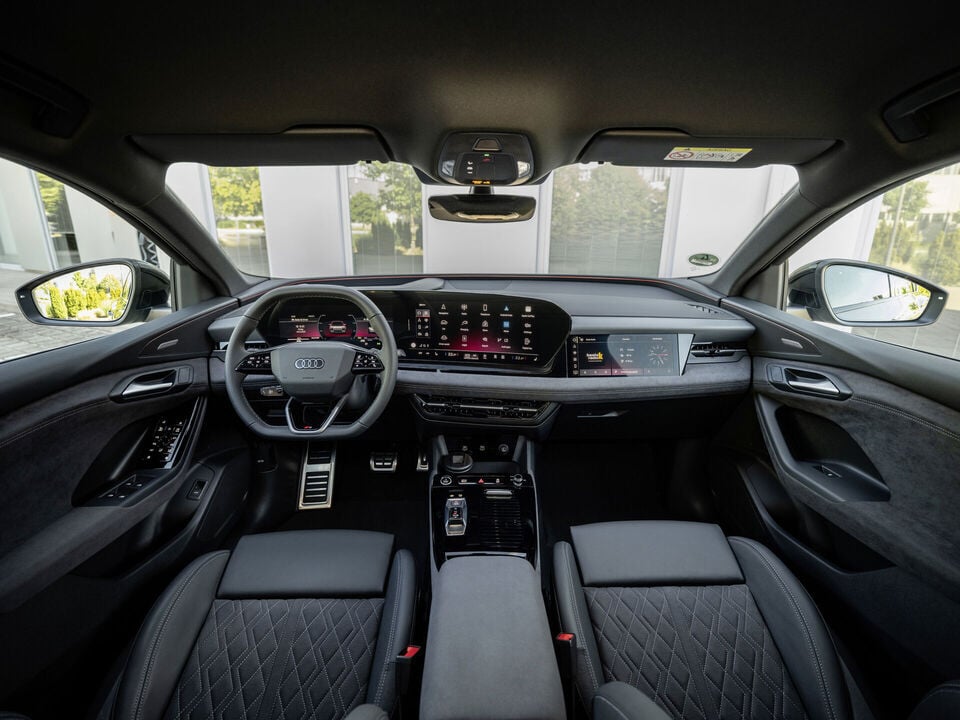
When you’re buying a high-end electric SUV, you spend most of your time in the cabin, and that space needs to be more than just utilitarian; it needs to be a haven. In this critical chapter of our Audi Q6 e-tron vs Polestar 3 shootout, we go inside to see how these two automotive masters define contemporary luxury. Here, one brand is touting a “digital stage” that surrounds the driver, the other is embracing a philosophy of reductive serenity.
Audi Q6 e-tron: The Digital Stage
Climbing into the Audi Q6 e-tron is like stepping into a posh command centre made just for you. Audi has re-engineered its entire interior design around what they call the “Digital Stage.” The centre stack is led by the MMI panoramic display, an integrated and rounded panel that houses an 11.9‑inch Audi virtual cockpit and a 14.5‑inch MMI touch display. It looks beautiful and is perfectly ergonomic, with a slight tilt towards the driver, adding to the intimacy of the cockpit. The materials used throughout the cabin showcase traditional Audi strengths: outstanding build quality. Soft-touch materials, sustainable textiles and available fine Nappa leather combine to form a tactile experience that is both substantial and luxurious.
Audi also reveals a dedicated 10.9-inch front passenger display. This smart feature lets your co-pilot stream movies or help with navigation so as not to distract the driver, and a privacy mode hides the screen from the driver’s seat.
Comfort in the Q6 e-tron is first-class. The seats are supportive and, thanks to a multitude of adjustments, very suitable for long-distance touring. The dedicated EV platform allows the floor to be completely flat for exceptional legroom for rear passengers. The feeling of space is generous. Storage is good with a deep centre console and door bins that can hold large water bottles, a practical touch often muddied by style.
In terms of technology, the Q6 e-tron is the first Audi vehicle to feature the new E3 electronic architecture. The infotainment system now runs on Android Automotive OS, so it’s as responsive as a high-end smartphone. It feels a bit like you’ve plugged your car into the internet, with it now hosting an app store for third-party apps such as Spotify and YouTube built right into the car interface. The evolution of the self-learning voice assistant is huge; just say “Hey Audi” and operate detailed functions from climate to route guidance, the car understands natural speech better than ever.
Polestar 3: Scandinavian Minimalism
If an Audi is a command centre, the Polestar 3 is a gallery of contemporary art. The interior design embodies a no-waste design concept of “minimalism with a human touch.” An optional full-length panoramic glass roof makes the cabin even more airy, as the natural light streams in throughout. There are very few buttons. Rather, controls are consolidated in a single, 14.5-inch, portrait-oriented centre screen that hovers above the dashboard.
Polestar’s material selection is a prime example of modern sustainability. You won’t find traditional wood veneers here; you will find innovative materials such as a bio-attributed MicroTech, animal welfare-certified wool, and recycled aluminium deco. The design is open, fresh and distinctly Scandinavian. It seems serene, removing visual distractions so the motorist can concentrate.
But this sparse style leads to a different user experience. Nearly everything is done from the touchscreen, including adjusting the mirrors and positioning the steering wheel. The interface, based on Google’s own OS, is clear and extremely fast, but it does mean that you need to think differently if you’re used to physical buttons. The integration between Google Maps and Google Assistant is seamless, and it may be the best navigation experience available.
Rear-seat riders in the Polestar 3 get a lounge-like experience. The seat is a bit lower and more reclining, highlighting the sportiness of the car. Although legroom is sufficient, the sloping beltline of the exterior styling can make the backseat feel a bit more cramped when compared side-by-side with the Q6’s open-air feel.
Tech Innovations and ADAS
Both vehicles are a testament to how advanced driver assistance systems (ADAS) can be. The Audi Q6 e-tron boasts an augmented reality (AR) head-up display (HUD) that projects navigation arrows, speed limits and more on the road ahead, which seems to hover 200 metres over distance. It greatly lessens eye fatigue and keeps you focused on the road.
The Polestar 3 responds with its LIDAR-ready architecture (optional on some trims), which equips the vehicle for future autonomous driving. It also includes interior radar sensors, which can sense tiny movements, and is intended to help keep you from accidentally leaving children or pets in the car, a really thoughtful innovation that shows concern for safety beyond just the crash test.
- Driver-Centric Design: The Audi Q6 e-tron features a curved “Digital Stage” with physical controls where they matter, offering a cockpit feel that prioritises driver engagement.
- Reductive Luxury: The Polestar 3 embraces extreme minimalism with sustainable materials and a screen-centric interface, creating a calm, gallery-like atmosphere.
- Connectivity: Both models utilise Android Automotive OS, but Audi adds a unique passenger screen and better integrates third-party apps for a more communal entertainment experience.
- Safety Innovation: Audi leads with an augmented reality HUD for intuitive guidance, while Polestar focuses on advanced sensing technology for future autonomy and occupant safety.
Audi Q6 e-tron vs Polestar 3: Design & Exterior
The outside of a car is its first handshake, a visual promise for what you’re going to experience from the inside. In this section of our Audi Q6 e-tron vs Polestar 3 comparison, we look at the unique styling and design elements of these two luxury electric SUVs. Both are built on dedicated EV platforms, yet they have very different styles: evolved muscular elegance versus minimalist aerodynamic purity.
Audi Q6 e-tron
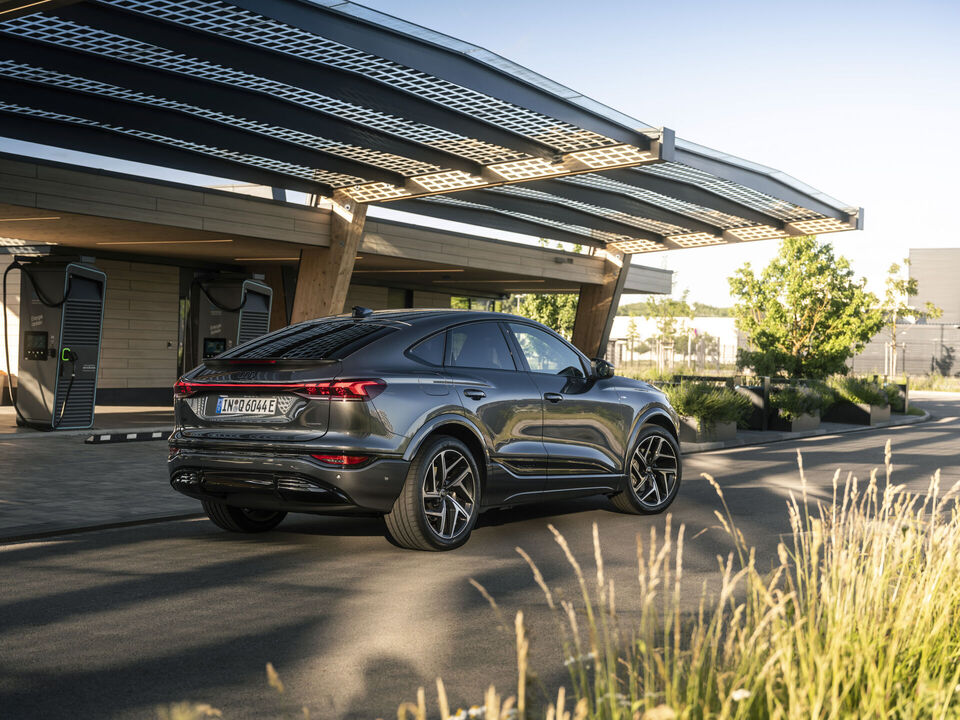
The Audi Q6 e-tron is a masterclass in progressive design built on a strong heritage. It is clearly an Audi, but it also leads the brand’s styling into a new generation. The architecture centres around what Audi terms “e-tron-specific design,” which means short overhangs, a long wheelbase and a strong, sculpted body. The iconic single-frame grille is flipped and framed, converting from an air intake to a high-tech sensor mask. The defining features include the “quattro blisters”, subtle, yet muscular bulges that cover the wheel arches and signify that the car is all-wheel-drive and has a strong stance. The overall effect is one of polished strength and substance.
Polestar 3
The Polestar 3 is a lesson in reductive design, where every line has a reason to exist. It is based on Volvo’s new SPA2 (Scalable Product Architecture 2) platform. The exterior shaping is influenced by aerodynamics, which produces what Polestar calls “a new breed of SUV.” It has given up the conventional two-box shape for a more streamlined, lower profile that merges SUV dimensions with a fastback outline. The front is dominated by the “SmartZone,” a tray for cameras and sensors, which rests beneath a new kind of front aero wing that is melded with the bonnet. This, combined with a rear aero wing and blades, directs the airflow nicely over the body to lessen drag and improve efficiency. The styling is crisp, sculptural and unquestionably futuristic.
Design Comparison
| Feature | Audi Q6 e-tron | Polestar 3 |
|---|---|---|
| Available Colours | A sophisticated palette including Mythos Black, Plasma Blue, and Daytona Grey, with options for contrasting roof colours. | A curated, minimalist selection including Snow, Magnesium, and Midnight, reflecting its Scandinavian design ethos. |
| Lighting Signature | World-first active digital light signature. Owners can choose from eight different daytime running light signatures via the MMI. The rear features digital OLED 2.0 technology with dynamic animations. | Dual-blade “Thor’s Hammer” LED headlights. A crisp, modern interpretation of the signature Volvo/Polestar design. The rear features a full-width light bar with a precise, technical look. |
| Aerodynamics | Coefficient of Drag: 0.28 Cd. Achieved through a closed single-frame grille, optimised airflow around the wheels, and a sculpted underbody. Focuses on balancing aero with muscular styling. | Coefficient of Drag: 0.29 Cd. Achieved through functional aero wings on the bonnet and spoiler, flush glazing, and aero-optimised wheel designs. Design is led by airflow management. |
| Body Detailing | “Quattro blisters” over wheel arches, a sweeping Sportback-style roofline, and a prominent shoulder line connecting the front and rear lights. Details emphasise width and stability. | Front aero wing, SmartZone sensor panel, and a low, sloping roofline that terminates in an integrated rear spoiler. Details emphasise a sleek, forward-moving stance. |
- Evolved Elegance: The Audi Q6 e-tron showcases a muscular, sophisticated design with signature “quattro blisters” and a familiar yet modern single-frame grille, projecting stability and premium quality.
- Aerodynamic Purity: The Polestar 3 adopts a minimalist, aero-led design with functional wings and a sleek fastback profile, creating a futuristic and efficient silhouette.
- Lighting Innovation: Audi sets a new standard with customisable active digital light signatures, allowing for unprecedented personalisation, while Polestar offers a sharp, modern take on its “Thor’s Hammer” design.
- Architectural Philosophy: The Q6 e-tron is built on the PPE platform, balancing style with space, whereas the Polestar 3 uses the SPA2 platform to prioritise a low, sporty, and aerodynamically efficient form.
Safety & Reliability
In the world of luxury electric cars, performance numbers are often the newsmakers, but a far more important value indicator for many buyers is a car’s ability to keep its occupants safe. In this part of our review of the Audi Q6 e-tron vs Polestar 3, we cover the protective shells, smart tech, and long-term dependability of these two SUVs. While both manufacturers treat safety as a regulatory minimum bar rather than a fundamental engineering principle, their paths toward this ideal diverge markedly when it comes to how they arrived at this destination.
Audi Q6 e-tron: A Shield of Technological Advancement
Audi is long known for making cars that seem safe even before you’ve driven them; the famous “door thud” is no accident. The Q6 e-tron follows suit by drawing on the tried-and-tested architecture of the new Premium Platform Electric (PPE). Although official Euro NCAP ratings will often be awaited on brand new models at launch, Audi designs its cars to enable them to easily obtain the maximum five-star rating.
The safety suite is all-encompassing. Included in the list of safety features is a central airbag between the front seats, designed to prevent head clash in a side impact, which seems to be a must to get top marks in safety these days. The active safety features are just as impressive, with ‘Audi pre sense’ detecting possible collisions and taking precautions such as tightening seatbelts and closing windows.
Most importantly, the two driver assistance systems (ADAS) in the Audis are designed to assist and not distract. The Adaptive Cruise Assist Plus leverages high-precision map data and swarm data of other Audi vehicles to forecast the road and adapts the speed for curves and junctions in a natural way. It’s like having a co-pilot you can’t see, easing fatigue on long motorway runs without wresting the controls from the driver.
Polestar 3: The Volvo Legacy
It’s hard to talk Polestar without mentioning its parentage. With Volvo as its protector, safety is embedded in the core of Polestar 3. The car tells us it has a “protective shield,” achieved through the use of the latest sensor technology embedded within the ‘SmartZone’ that is located in the front fascia.
Polestar is redefining interior safety technology. The driver and passengers are inside a cabin designed with interior radar sensors that can detect movements as small as sub-millimetres. This mechanism aims to stop children and pets from being accidentally locked inside by alerting the driver and locking the doors from locking in case it detects a presence. Also, the driver monitoring system employs two closed-loop cameras to monitor eye movement, which can accurately detect distraction and drowsiness. If the driver becomes incapacitated, the car can bring itself to a stop safely. Future proofing also plays a part here; the Polestar 3 is designed with the necessary hardware for autonomous driving (LIDAR is an option), so it can be presumed that its safety features will only be enhanced with further over-the-air updates.
Reliability and Peace of Mind
Reliability, when it comes to financing expensive EVs, is not just about mechanical durability but also the stability of its software and the health of its battery.
The Audi Q6 e-tron is based on Audi’s extensive production and testing regimens. Inside, it feels imperious, with switchgear and materials that seem intended to endure. In the UK, Audi normally provides a 3-year/60,000-mile vehicle warranty, and also an 8-year/100,000-mile warranty for the high-voltage battery. This established and experienced dealer network will also serve owners when it comes time for routine maintenance and repairs.
While still a newer standalone brand, Polestar 3 makes use of the tried and true Volvo service network, so you don’t have to worry about the “start-up” nerves that tend to come with new EV brands. It offers the industry-standard 3-year/60,000-mile vehicle warranty and 8-year/100,000-mile battery coverage. Polestar also provides scheduled maintenance for the first three years, which is particularly useful.
The fight for top spot is about more than just numbers; it’s the complete ownership experience. The Audi Q6 e-tron combines advanced technology, established brand prestige and a highly customisable, driver-centred interior to make it a very compelling proposition. The 800-volt architecture gives it a big leg up in charging speed, which is a big deal for drivers who go on long journeys frequently. It is an elegant, techno-savvy option for those who appreciate driving dynamics that are on the refined side and build quality that is impeccable.
The Polestar 3 creates its own space with a daring, minimalist exterior design and a commitment to sustainable luxury. With such strong performance and a lofty level of standard equipment, the vehicle is targeted towards buyers who view their car as a design statement and a piece of cutting-edge technology. Its Google-based infotainment system continues to serve as a model of ease of use.
- Protective Engineering: The Audi Q6 e-tron utilises a rigid chassis and central airbags to provide a secure physical environment, reinforced by predictive systems like ‘Audi pre sense’ that anticipate hazards before they occur.
- Intelligent Monitoring: The Polestar 3 leverages its Volvo heritage with advanced interior radar sensors and eye-tracking technology, ensuring that occupant safety is monitored as closely as the road ahead.
- Supportive Assistance: Audi’s Adaptive Cruise Assist Plus uses swarm data to create a natural, fluid driving assistance experience that reduces driver fatigue on long journeys without feeling intrusive.
- Ownership Reassurance: Both brands offer extensive battery warranties (8 years/100,000 miles), but Audi provides the added confidence of a massive, long-established service network, while Polestar offers inclusive servicing for the first three years.
Market Rivals: How Do They Compare?
No vehicle is an island, and this is especially true in the ultra-competitive segment of high-end electric SUVs. While this Audi Q6 e-tron vs Polestar 3 comparison review is centred on these two giants, it is important to view them in comparison with other models that buyers are sure to consider. The Tesla Model Y still stands as a powerhouse thanks to its charging network and brand recognition, and the BMW iX3 is a more classic interpretation of electric luxury. Now let’s see how they compare.
The fight for dominance isn’t just based on raw numbers; it involves the full ownership experience. The Audi Q6 e-tron makes an impressive debut with a blend of state-of-the-art technology, the prestige and reliability of the legacy brand, and an interior that is highly customisable and focused on the driver. Its 800-volt design gives it a substantial edge in charging speed, a vital consideration for drivers who often go on extended road trips. It is an advanced, tech-leaning option for those who appreciate the best driving dynamics and build quality.
The Polestar 3 establishes its own niche with a distinctive, minimalist design and a pledge towards sustainable luxury. It boasts strong performance and a generous amount of standard equipment, which makes it attractive to buyers who view their car as a design statement and a piece of advanced technology. Its Google-based infotainment system is still the benchmark for ease of use.
At the same time, the Tesla Model Y Performance remains the vehicle to beat when it comes to pure efficiency and straight-line acceleration. Its minimalist design and use of a single screen may not be to everyone’s liking, but with access to the Supercharger network and established long-range capability, it’s a practical pick. Conversely, the BMW iX3 is a breath-easy experience for anyone moving on from a petrol or diesel vehicle. It trades headline-grabbing performance for comfort and build quality, making it an accomplished and opulent daily driver.
Competitor Comparison Table
| Feature | Audi Q6 e-tron quattro | Polestar 3 Long Range | Tesla Model Y Performance | BMW iX3 M Sport Pro |
|---|---|---|---|---|
| Est. Starting Price | ~£68,975 | ~£75,900 | ~£59,990 | ~£67,165 |
| Power Output | 382 hp | 489 hp | 527 hp (est.) | 286 hp |
| 0-62 mph | 5.9 seconds | 5.0 seconds | 3.7 seconds | 6.8 seconds |
| Max Range (WLTP) | ~381 miles | ~390 miles | ~319 miles | ~285 miles |
| Drivetrain | AWD | AWD | AWD | RWD |
| Charging (DC Max) | 270 kW | 250 kW | 250 kW | 150 kW |
| Design Philosophy | Progressive luxury | Scandinavian minimalism | Utilitarian futurism | Traditional SUV |
Which Buyer Does Each Car Suit Best?
After comparing price, performance, and features, it becomes clear that each of these exceptional vehicles caters to a distinct type of buyer.
- The Audi Q6 e-tron Buyer: This individual is a technology enthusiast who appreciates brand heritage and impeccable build quality. They seek a car that is both a comfortable long-distance cruiser and an engaging driver’s car. They are willing to invest in a highly customisable vehicle, valuing features like the augmented reality head-up display and the sophisticated digital lighting. The Q6 e-tron is for the buyer who wants the latest technology wrapped in a package of familiar, premium luxury.
- The Polestar 3 Buyer: This person is design-led and forward-thinking. They are drawn to the Polestar’s clean, architectural aesthetic and its sustainable interior materials. They view their car as an extension of their modern, minimalist lifestyle and appreciate the seamless integration of technology, like the Google-powered infotainment system. The Polestar 3 is for the buyer who wants to make a statement and embrace a brand that is defining the future of mobility on its own terms.
- The Tesla Model Y Buyer: This is the pragmatist. They prioritise efficiency, access to the best charging infrastructure, and raw performance above all else. They are comfortable with a screen-centric interface and value the simplicity and utility that Tesla offers. This buyer is focused on the practical benefits of EV ownership and wants a car that is proven, fast, and easy to live with.
- The BMW iX3 Buyer: This is the traditionalist transitioning to electric. They want the premium badge and solid build quality they are used to from a German luxury brand, but in an electric package. They prioritise comfort, ride quality, and a familiar interior layout over bleeding-edge technology or blistering acceleration. The iX3 is for the buyer who wants a premium electric SUV without the steep learning curve.
Takeaways:
- Tech-Forward Luxury: The Audi Q6 e-tron appeals to buyers who desire cutting-edge technology like rapid 800-volt charging and an augmented-reality HUD, combined with traditional Audi quality and driving dynamics.
- Design-Led Innovation: The Polestar 3 attracts those who prioritise minimalist design, sustainable materials, and a powerful, all-inclusive performance package right from the start.
- Pragmatic Performance: The Tesla Model Y remains the choice for buyers focused on efficiency, blistering acceleration, and the unparalleled convenience of the Supercharger network.
- Familiar Transition: The BMW iX3 serves buyers who want a comfortable, high-quality electric SUV that feels reassuringly similar to the premium combustion-engine cars they already know.
Why Choose the Audi Q6 e-tron or Polestar 3?
In a sea of choices, the decision about which to buy is really one about how the car makes you feel and how well the vehicle fits in your life. In this “Audi Q6 e-tron vs Polestar 3” comparison, let’s check out the technical specs and design concept. Now, we translate these findings into a clear ownership rationale. The two are phenomenal, high-watermarks of today’s EV tech vehicles, but cater to different wants and needs from an existence standpoint.
Choosing between the two is not just about finding a car, but a partner for your journey. Whether you prefer the reassuring familiarity of established luxury or the thrill of avant-garde minimalism, knowing what makes each model special is the key to buying well.
Audi Q6 e-tron: The Master of All Trades
The dynamic Audi Q6 e-tron is a triumph of balance. It’s the perfect choice for the driver who demands the future but isn’t willing to give up the comforts of the past. Audi has managed to distil the essence of its “Vorsprung durch Technik” ethos into the electric age, producing a vehicle that is at once cutting-edge and comfortably familiar.
This model fits the bill for many lifestyles. Its relatively small size in comparison with its interior volume makes it suitable for city driving and daily school runs, and the advanced suspension and acoustic treatment make it a relaxed long-distance traveller. The Q6 e-tron represents Audi’s vision of progressive evolution, enabling their loyal customers to embark on the electric journey, while offering new potential buyers the latest class-leading tech, such as the augmented reality head-up display.
Pros of Choosing the Audi Q6 e-tron
- Versatile Comfort: The adaptive air suspension (standard on SQ6, optional on others) provides a ride quality that bridges the gap between a limousine and a sports car, adapting instantly to road conditions.
- Tech-First Experience: The “Digital Stage” interior, with its panoramic display and passenger screen, offers a level of connectivity and entertainment that keeps all occupants engaged.
- Rapid Charging Ecosystem: Thanks to the 800-volt architecture, the Q6 e-tron can charge from 10% to 80% in just 21 minutes at compatible stations, minimising downtime on long trips.
- Customisable Lighting: The active digital light signatures allow owners to personalise their vehicle’s appearance, adding a unique touch of character and safety.
Polestar 3: The Statement Piece
The Polestar 3 is for the driver who wants to break away from the herd. It makes a bold design statement, with emphasis on purity of form and driving excitement. Polestar calls this SUV the “SUV for the electric age,” with the familiar boxy lines of utility vehicles replaced with something far more aerodynamic and emotionally resonant.
The car is suitable for a design-conscious, sustainability-focused lifestyle. It is a clear fit for the city dweller who likes clean lines and wants a car that speaks to their contemporary values. But don’t let the stylish looks deceive you; it’s a competent tourer. With the standard dual-motor configuration that’s paired with the long-range battery, it can handle those cross-country excursions with ease. The Polestar 3 fits with the brand’s role as a “guiding star,” leading the industry towards transparency, sustainability and digital integration.
Pros of Choosing the Polestar 3
- Distinctive Design: The aero-led exterior and “SmartZone” front fascia ensure this car turns heads, standing out in a sea of conventional SUVs.
- Curated Simplicity: The interior is a sanctuary of calm, using sustainable materials and a clutter-free layout to reduce cognitive load and enhance focus.
- Driving Dynamics: With torque vectoring and performance-tuned suspension, the Polestar 3 offers a genuinely sporty drive that belies its size, especially with the Performance Pack.
- Google Integration: The native Android Automotive OS with Google built in offers an intuitive, smartphone-like interface that is constantly updated, ensuring the car gets better over time.
Takeaways:
- Lifestyle Fit: The Audi Q6 e-tron excels as a versatile all-rounder for families and commuters, while the Polestar 3 targets design-conscious drivers seeking a unique, sporty statement.
- Brand Strategy: Audi focuses on evolving luxury through advanced proprietary tech, whereas Polestar pushes for minimalist design and deep integration with consumer tech ecosystems like Google.
- Key Audi Strength: Unmatched charging speeds and a familiar, high-quality cabin make the transition to electric seamless and convenient.
- Key Polestar Strength: A striking, aerodynamic design and a focus on sustainable performance create a driving experience that feels distinctly futuristic.
Your Next Electric SUV: Making the Right Choice
After a thorough review of this Audi Q6 e-tron vs Polestar 3 comparison, you will be able to get a strong impression of both cars’ mastery in the upscale electric SUV segment. They’re certainly worth buying, but the “right” choice really comes down to what your priorities are, your driving style, and what you want in a modern luxury automobile. It’s not about which car is better in an objective sense; it is about which is better for you.
If you want to make a statement that declares you are a driver who demands more from their car, for comfort, technology, versatility, and a brand that has earned its legacy, then the Audi Q6 e-tron is the ultimate pick. It expertly combines dynamic, comfortable driving with next-generation features such as its 800-volt charging architecture and dazzling digital light signatures. If impeccable build quality, a driver-focused cabin and the ability to be a relaxing cruiser and a sporty SUV wrapped up in one package is what you want, then the Q6 e-tron is it. It is the evolution of luxury, refined.
Polestar 3 represents the gold standard for anyone lured by contemporary design and an uncompromised electric performance driving experience. Presenting the minimalist design, natural materials and potent dual-motor setup as standard, it’s making a statement. If your buying motivations include signature styling, a calm and uncluttered interior, and the effortless integration of Google technology into your everyday drive, the Polestar 3 will speak to your soul. It’s a bold leap into a really stylish future.
Behold The Future Of Driving. Drive the Future
Reading about performance and design is one thing; doing it while driving is another. The instant torque, quiet refinement and sophisticated engineering of these extraordinary vehicles are best appreciated on the road. Ready to see which SUV fits your life best? Visit The.Car for in-depth EV news and reviews, or contact us to book your private test drive today.
- The Verdict: Both the Audi Q6 e-tron and Polestar 3 are outstanding investments, representing the best in their class for technology, performance, and design.
- Choose the Audi Q6 e-tron if: You prioritise versatile performance, rapid charging, a tech-rich interior, and the reassurance of an established luxury brand.
- Choose the Polestar 3 if: Your decision is guided by minimalist design, a passion for driving dynamics, sustainable innovation, and a desire for a bold, futuristic statement.
- Your Next Step: A test drive is essential to translate specifications into a real-world feel and make the definitive choice between these two segment leaders.