Dacia Spring Electric 45 vs Hyundai i10 Electric: Affordable EVs Redefining the Market
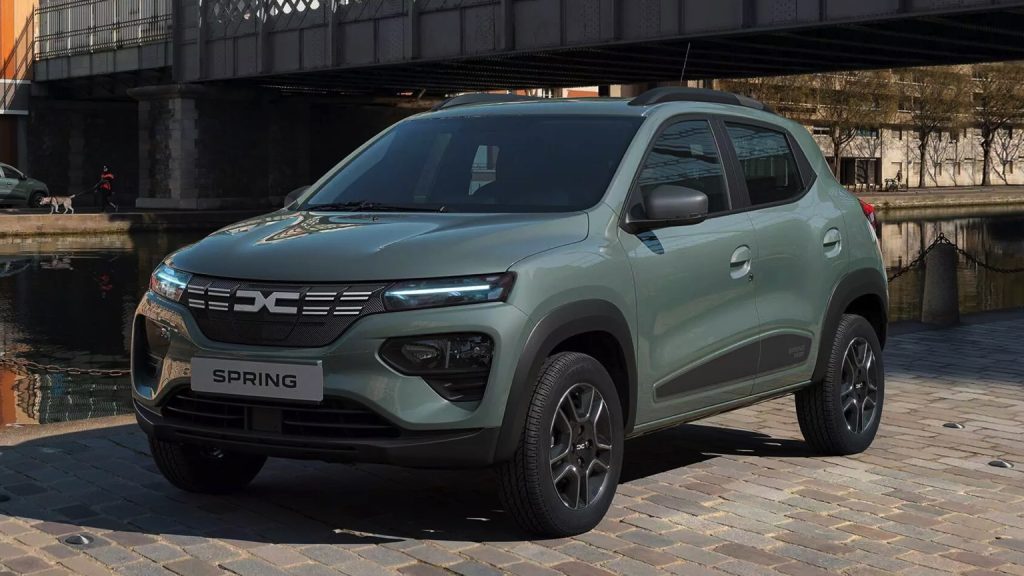
High-performance models carrying premium price tags frequently dominate the news in the electric vehicle world. But the real revolution is taking place in the cheap end of the market, where everything is about practicality and getting people in cars. Two models have emerged as clear winners for frugal buyers: the Dacia Spring Electric 45 and the eagerly anticipated Hyundai i10 Electric. These two vehicles are showing that you do not have to splurge to go electric, making them strong contenders in the city car best-seller lists. They distinguish themselves through a compelling combination of practical range, lively performance and essential technology, all in a small, city-friendly package.
Key Highlights
- Market Leader: The Dacia Spring Electric 45 is the cheapest EV on the market, which makes it the first name in the entry-level EV list, and a possible i10 Electric would benefit from a much-loved nameplate.
- Urban-Focused Design: Both are compact city cars first and foremost, with agility and parking ease welcome traits for your daily commute.
- Value-Oriented Technology: Expect to see all the essentials of modern technology, including digital displays and connectivity, without the massive expense of premium technology.
- Differing Philosophies: This shootout pits Dacia’s ‘essentials-is-best’ approach against Hyundai’s long-standing reputation for quality, reliability and innovation.
Quick Recap: Key Highlights of Dacia Spring Electric 45 vs Hyundai i10 Electric
For a clear summary of what this detailed comparison is going to be like, here are the important points we will cover. This short review is a comparison between the Dacia Spring Electric 45 and the expected Hyundai i10 Electric in all aspects, including design, specification, price, and special features. Consider it your cheat sheet for the main differences and similarities between these two interesting city EVs.
- Manufacturers: Dacia (part of Renault group) vs Hyundai. This is a value and no-frills brand pitted against a global manufacturer renowned for its quality and technological sophistication.
- Model Year: The Dacia Spring Electric 45 has been heavily revised for the current model year, while the Hyundai i10 Electric is a prospective model based on the best-selling i10 city car.
- Body Style: The two share the body type of A-segment city cars or mini hatchbacks, and they are perfectly suitable for urban travel, thanks to their petite sizes and nimble drives.
- Trims/Variants Availability: The Dacia Spring Electric 45 comes in a handful of trims, all of them quite simple and focused on basic equipment. The Hyundai i10 Electric will probably come in a number of variants with different levels of technology and comfort.
- Exterior and Interior: Dacia’s rough and ready design is now more confident and aggressive. The Hyundai i10 Electric is also expected to incorporate some EV-specific aerodynamic design features into the i10’s contemporary, sharp design.
- Drive and Performance: With city driving in mind, the Spring Electric 45 focuses on efficiency and handling, rather than brute force. Based on Hyundai’s EV powertrain development know-how, the i10 Electric is expected to provide a sophisticated and quiet riding experience.
- Powertrain Options: The Dacia offers a token electric motor and battery configuration designed for urban range and cheap running costs. The Hyundai i10 Electric could also come with a more efficient powertrain with a good range and fast charging for the segment.
- New Features & Innovations: Dacia has a practical approach to innovation (see the new digital instrument cluster and simple infotainment). Hyundai, for its part, plans to bring advanced driver-assistance systems (ADAS) and seamless connectivity, even in its cheapest EV.
Comparison: Design and Engineering
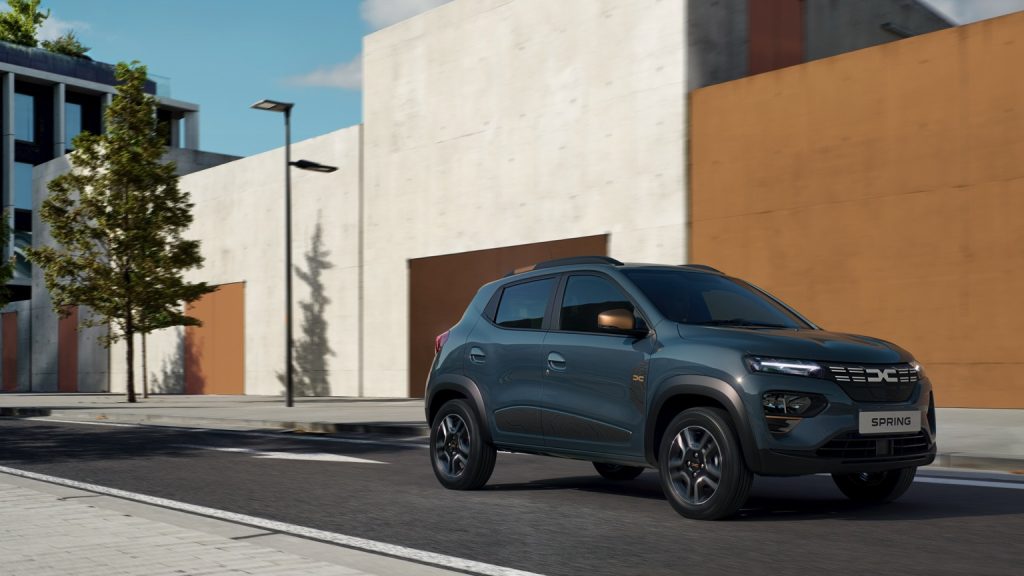
When you look at the Dacia Spring Electric 45 and the yet-to-come Hyundai i10 Electric, it is obvious their philosophies in design and engineering are worlds apart. Concepts show not just how these cars are built, but also why these cars appeal to very different market segments, and promise to bring competition to the low-cost EV market segment. Each brand harnesses its own particular strengths to the same challenge: designing a city car that’s accessible, practical, and efficient for the contemporary driver.
Dacia’s way is embedded in a principle of ‘essentialism’ that influences everything about the Spring Electric 45. The brand’s chief creed was to always offer all you really need as a customer and nothing more. This isn’t about being cheap; it’s about being smart. Lightweight construction and proven technology are engineered to ensure the highest efficiency and lowest cost. Spring’s recent facelift reflects this, adopting cues from the popular Duster SUV. This takes the subcompact car’s stance to something more solid and assured, but without adding any superfluous complexity or weight. The end result is a car that looks solid and purposeful, and whose styling provides it with a sense of competence and value, which makes it shine in every Dacia Spring Electric 45 review.
By contrast, Hyundai’s take on a prospective i10 Electric would likely be one based on its decades-old legacy of quality, innovation and thoughtful design. Hyundai has perfected the art of making tiny cars feel premium, and an electric i10 would undoubtedly follow suit. Sharp lines, dynamic creases and innovative lighting signatures further emphasise the brand’s design language, evoking emotion and energy. Engineering would be about a refined drive, the powertrain optimised for smooth, quiet operation, and Hyundai’s specialised driver assistance systems integrated. The fundamental principle would be to deliver a well-refined, feature-laden vehicle that feels more expensive than it actually is, translating the brand’s cutting-edge identity in the tech-heavy segment for entry-level.
Key Design Highlights
- Essentialism in Dacia Engineering: The Spring Electric 45’s simple construction using tried and tested parts ensures maximum range and a low price tag.
- Hyundai’s Premium Approach: Hyundai’s upmarket offer. An i10 Electric would build on Hyundai’s experience in using quality materials and technology in an advanced way to deliver a city car experience.
- Rugged vs. Sleek Aesthetics: The Spring’s sturdy, SUV look is a stark contrast to the crisp, contemporary, and polished look Hyundai is expected to bring.
- Targeted Buyer Appeal: Dacia’s no-frills design connects with no-nonsense young buyers and practical buyers, while Hyundai’s more refined design language will appeal to those looking for something more premium.
Variants and Trims: Decoding the Value
This is to say the least important when it comes to how many features you get, how comfortable the ride is, and how much value you get out of the car. For the Dacia Spring Electric 45, the approach is one of pared-back simplicity, presenting a limited number of options that echo its budget-conscious ethos. In comparison, a future Hyundai i10 Electric may follow the brand’s tradition of offering multiple variants, which increases the technological and comfort kit items. Knowing these variances is important to decide which model and variant is suitable for you as per your needs and budget.
The Dacia Spring Electric 45 trim is sort of a breath of fresh Dacia air. The range is intended to be coffee-simple to purchase, with no complex or costly experience. The range generally begins with a base model, for instance, ‘Essential’, which is just the basic level that allows you to safely and functionally drive the car. Progressing up the range to a trim like “Expression” or “Extreme”, you gain some lovely comforts and technology enhancements, including a central infotainment screen, air conditioning, and some styling upgrades. The trade-off is easy to grasp at all levels: you buy only features you really need, which is what keeps the Dacia Spring Electric 45 price so competitive.
For the anticipated Hyundai i10 Electric, we should expect a more conventional tiered system, very likely similar to that of its current internal combustion engine models. A base trim, something along the lines of an ‘SE’ equivalent, would come with a good amount of features, including Hyundai’s great standard safety suite. A mid-level ‘SEL’ trim could equip the vehicle with popular enhancements like a larger infotainment display, premium cloth seats, and a handful of additional driver-assistance features. On the top-tier, a ‘Limited’ variant could be fully loaded with all the technology you can get, including a digital instrument cluster, wireless charging, and more luxurious interior trims. The value play here is to provide choice and let consumers buy into a premium experience in a small, affordable envelope.
Trims and Variants Breakdown
| Feature Area | Dacia Spring Electric 45 | Hyundai i10 Electric (Speculated) |
|---|---|---|
| Base Trim | Essential: Focuses on core functionality. Includes basic safety features, a simple digital driver’s display, and manual climate control. Strength is its rock-bottom price. | SE: Expected to include a comprehensive safety suite (ADAS), an 8-inch touchscreen with smartphone integration, and automatic headlights. Strength is its high level of standard equipment. |
| Mid-Tier Trim | Expression: Adds a 7-inch touchscreen infotainment system, air conditioning, and enhanced exterior styling details. Strength lies in balancing cost with modern conveniences. | SEL: Likely to add a larger 10.25-inch infotainment screen, a digital instrument cluster, keyless entry, and upgraded interior materials. Strength is its technology-forward offering. |
| Top-Tier Trim | Extreme: The top variant, featuring unique design accents, durable interior materials, power windows, and potentially a more powerful motor option (Electric 65). Strength is its rugged styling and full feature set. | Limited: Would likely include all ‘SEL’ features plus a premium sound system, wireless phone charging, heated seats, and advanced driver-assistance features. Strength is providing a luxury experience in a city car. |
| Optional Upgrades | Limited to practical additions like a spare wheel or specific charging cables to maintain low complexity and cost. | Potential for ‘Tech’ or ‘Convenience’ packages on lower trims, offering features from higher trims as optional extras, providing greater personalisation. |
Spec Sheet Appendix: A Quick Comparison
| Specification | Dacia Spring Electric 45 | Hyundai i10 Electric (Speculated) |
|---|---|---|
| Motor Output | 44 hp (33 kW) | Approx. 60-80 hp |
| Battery Capacity (usable) | 26.8 kWh | Approx. 30-35 kWh |
| WLTP Range | Up to 143 miles (230 km) | Approx. 150-180 miles |
| 0-62 mph (0-100 km/h) | 19.1 seconds | Approx. 12-14 seconds |
| Top Speed | 78 mph (125 km/h) | Approx. 90 mph |
| AC Charging | Up to 7.4 kW | Up to 11 kW |
| DC Fast Charging | Optional, up to 30 kW | Standard, up to 50 kW |
| Boot Space | 290 litres | Approx. 252 litres |
Key Takeaways on Trims and Value
- Simplicity, according to Dacia: The Spring Electric 45 models are created with simplicity and cost in mind, making even the most basic model a realistic option for those on a tight budget.
- Hyundai’s Pick: An i10 Electric will probably have more trim levels and customisation options, and allow buyers to select from value, technology or luxury in an affordable small EV.
- Value Proposition: The value in the Dacia is its low entry price, while the value for the Hyundai is its premium features and a higher level of standard equipment for a competitive price.
- Performance vs Tech: Comfort is added to higher trims on the Spring; upper tiers of Hyundai’s range presumably introduce even more technology and convenience features, which would conceptualise an even bigger gap between levels.
On the Road: Performance and Driving Experience
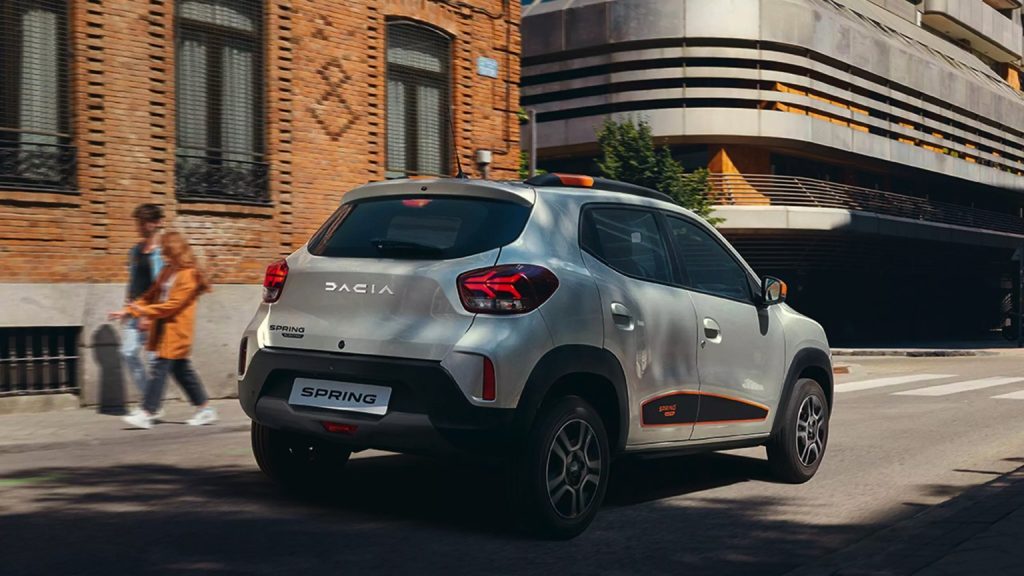
If you want to know how good any car is, drive it. When it comes to city EVs, performance is less about blistering pace and more about being responsive, efficient, and comfortable to experiment with. The Dacia Spring Electric 45 is designed with urban mobility in mind, with priority given to hands-on handling and energy conservation. By comparison, the forthcoming Hyundai i10 Electric is expected to benefit from its parent brand’s experience in delivering smooth, refined, and engaging electric driving experiences. This part of our comparison is for performance specifications and how these two contenders actually feel on the road.
The Dacia Spring Electric 45 has a small electric motor that outputs 44 horsepower (33 kW) and 125 Nm of torque. These numbers are deliberately conservative to maximise the range of the 26.8 kWh battery in the city. The powertrain, which is coupled with a single-speed automatic transmission, produces instant torque for brisk acceleration right from the standing start, which is what you want to have in traffic. 0-100 km/h (0-62 mph) acceleration takes a leisurely 19.1 seconds, and the top speed is limited to 125 km/h (78 mph). These figures confirm Spring’s right place: it’s a car made for the city, not the motorway. It’s also lightweight, so it feels surprisingly nimble at low speeds, and the steering is light and precise, perfect for tight parking manoeuvres and quick direction changes on crowded streets.
Simplicity is the driving experience in the Spring. The functional-oriented suspension takes the majority of the road bumps in the city comfortably, but big road defects will definitely transmit into the passenger cabin. There’s a normal ‘D’ (Drive) mode, and then there’s an ‘Eco’ mode, which limits power to 31 hp, and it lowers the top speed to increase the range by 10%. It’s not luxury, but the ride is good enough that a daily commute isn’t going to be miserable.
In contrast, a Hyundai i10 Electric should deliver a more refined performance. Based on Hyundai’s other EVs, we can speculate it would sport a more powerful motor, say in the 60-80 hp ballpark, for a higher top speed and quicker acceleration. Hyundai’s engineering typically emphasises ride comfort and low in-cabin noise, so an electric i10 would likely feel more refined and substantial on the road, with a suspension set-up that better shields passengers from road vibrations.
Performance and Driving Mode Comparison
| Performance Metric | Dacia Spring Electric 45 | Hyundai i10 Electric (Speculated) |
|---|---|---|
| 0-100 km/h (0-62 mph) | 19.1 seconds | Approx. 12-14 seconds |
| Top Speed | 125 km/h (78 mph) | Approx. 145 km/h (90 mph) |
| Primary Driving Mode | Standard Drive ‘D’ | Normal Mode: Balanced performance and efficiency. |
| Eco Mode | Reduces power and top speed for maximum range. | Eco Mode: Optimises all systems for efficiency. |
| Additional Modes | None | Sport Mode (potential): Sharper throttle response for dynamic driving. |
The most important spec regarding the Dacia Spring Electric 45 is that efficiency is a top concern. The ride is tuned to take full advantage of the battery in stop-and-go city driving. Hyundai would be looking to offer a more day-to-day usable and fun driving experience. The presence of ‘Sport’ mode, which is a familiar setting among Hyundai’s line-up, would make for a more interactive drive, while its default setting of ‘Normal’ would more than likely feel more powerful compared to that of the Spring. This perhaps makes the i10 Electric the more rounded at home in town and able enough out on the road, while the Spring is very much a city slicker.
Key Performance Highlights
- City-Centric Agility: Spring Electric 45 delivers instant torque and light steering, making it surprisingly nimble and responsive in city traffic.
- Refined Driving Dynamics: Hyundai i10 Electric is expected to bring a smoother, quieter and more comfortable riding experience in line with Hyundai’s promises for refinement.
- Efficiency vs Power: Dacia’s powertrain is tuned towards maximum range and low energy use, while Hyundai’s will likely be more punchy with more acceleration and a higher top speed.
- Driving Mode Simplicity: The Spring has two simple ‘Drive’ and ‘Eco’ modes, while the i10 Electric will probably have several more advanced modes, such as ‘Normal’ and ‘Sport’, allowing for a more tailored ride.
Inside the Cabin: Interior, Comfort, and Technology
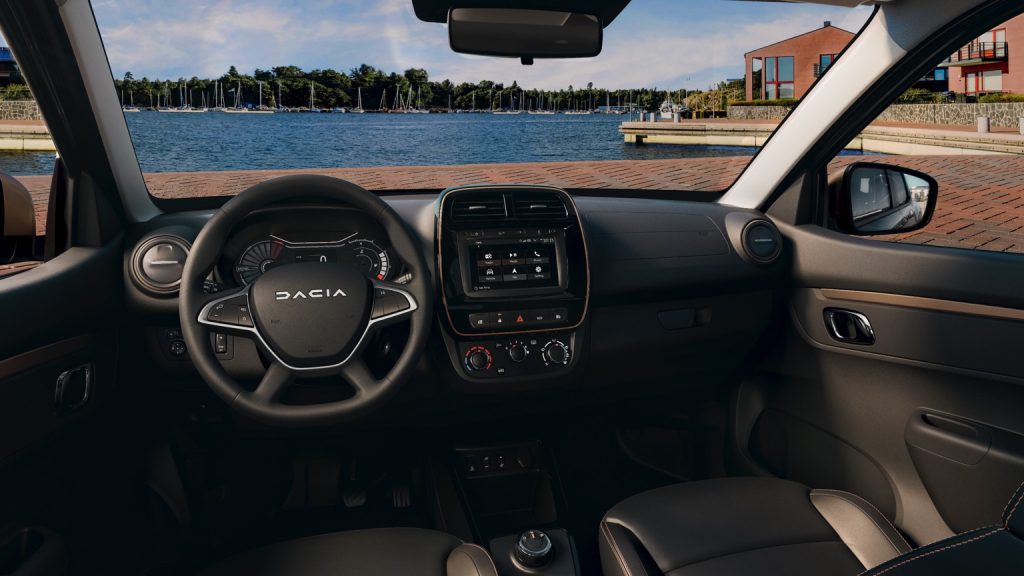
The interior of a car is where you spend your time, which is an important ownership experience factor. Two very different interpretations of how to achieve a cosy and inviting interior are the Dacia Spring Electric 45 and the upcoming Hyundai i10 Electric. Simplicity, practicality and robustness are the pillars of Dacia’s budget offer. Hyundai, on the other hand, will reportedly be applying its know-how in creating surprisingly premium, tech-packed interiors to this segment.
The interior of the Dacia Spring Electric 45 is sober and functional. It’s taking influence from the wise, well-mannered Duster off-road SUV following its recent refresh. You get the idea; the plastics are tough, which is appropriate in a car that needs to be a tough, keep-‘em-moving daily driver. It has a simple, clean layout with tactile buttons for key functions such as climate, easy to operate without having to look down. The higher trim levels include a 7-inch infotainment touchscreen that handles navigation and media. On top trims, a new 10-inch display screen is introduced. It’s very rudimentary, but it does have Apple CarPlay and Android Auto for basic connectivity. Storage is a strong point too, with large door bins, a reasonably sized glovebox and other cubbies that make it an even more practical proposition for everyday life.
Spring Comfort is adequate for the urban driving it was designed for. The seats are basic but comfortably supportive for short journeys. The priority is on creating the most interior space within a small exterior size, and it has surprisingly good headroom and legroom for the front pair of passengers. The rear is really only for children or very brief jaunts with adults. From a tech perspective, the big innovation is the customisable digital instrument cluster, which displays vital driving information, such as range and battery status, in a straightforward manner. The technology of Dacia Spring Electric 45 is to give the basics, not to distract the driver, which is what makes it so appealing.
Regarding the rumoured Hyundai i10 Electric, we should anticipate a far more refined and tech-savvy interior. Hyundai has earned a reputation for high-quality interiors, even in its subcompact cars. The i10 Electric will probably have a stylish, contemporary dashboard with a large, fully digital instrument cluster and a central 10.25-inch touchscreen, all visually unified as one panel. There will be an upgrade in material, a combination of soft-touch materials, textured plastics, and tasteful trim details repeating throughout the cabin, making it look more premium. Comfort and ergonomics would also be important for Hyundai. The seats would also be more sculpted and supportive for longer drives, and packaging options like a heated steering wheel and heated seats might be offered in the upper trim levels. Hyundai infotainment systems, in addition to being intuitive and rich in features, are known for crisp graphics, speedy responses, and cutting-edge voice control. Besides, the Hyundai i10 Electric would also be equipped with an extensive array of Advanced Driver-Assistance Systems (ADAS) such as lane-keeping assist, forward collision-avoidance assist, and driver attention warning, even on the base variants. This high-tech safety focus would be a key selling point and point of difference from the Dacia Spring.
Key Interior and Technology Highlights
- Tough and Practical Cabin: The Dacia Spring Electric 45 features hardwearing materials, and the layout is simple and ergonomically designed; it’s all very easy to use.
- Premium and Tech-Heavy Atmosphere: Hyundai i10 Electric is predicted to have more premium materials, an innovative design, and overall luxurious vibes.
- Connectivity is a Must: Both cars feature smartphone integration through Apple CarPlay and Android Auto, but Hyundai’s system would likely be the more robust.
- Advanced Safety and Tech: Hyundai is also expected to bring a full suite of ADAS and a massive digital cockpit to the segment, raising the bar for tech therein.
Dacia Spring Electric 45 and Hyundai i10 Electric: Exterior Design
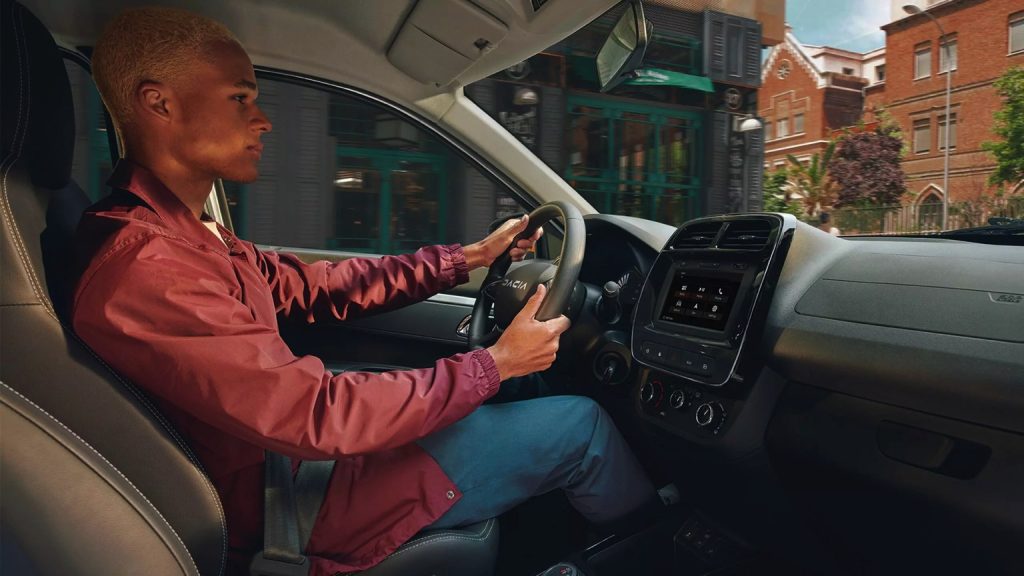
The outside of a car is its frontline, a visual declaration of what it wants to be and who it is. When the Dacia Spring Electric 45 is compared with the expected Hyundai i10 Electric, their exteriors reveal two very different ideologies. Dacia’s design language is loud about rugged practicality and value, and Hyundai’s is anticipated to be more about elegance and futuristic, streamlined form. Studying their structures and design nuances provides insight into what each brand caters to.
The outside of the Dacia Spring Electric 45 was recently revised to reflect the pulsating new identity of the brand, drawing a lot from the best-selling Duster SUV. Its design gives it a look somewhat reminiscent of that of a crossover, even though it is based on a small, A-segment platform. Notable features include high ground clearance, black cladding on the bumpers and wheel arches, and roof rails that are practical. These are not just cosmetic touches: the contrast of the black body cladding lends the ‘look’ of a more rugged and flexible vehicle, as if it can handle more than just clean city streets. The front end of the Spring is Dacia’s new “Y-shaped” lighting signature that is set within a clean, modern grille that makes the Spring stand out with a solid and contemporary look. The overall look is rugged and functional, more about durability than delicate dashing.
On the other hand, the concept Hyundai i10 Electric may be expected to be influenced by the company’s “Sensuous Sportiness” design philosophy, customised for an electric urban vehicle. It is based on the proven i10 design, which features clean, sharp lines that make it look modern and dynamic. We would expect something sleek, aerodynamic, with the front grille closed off, that’s a design feature common to most electric vehicles and has to do with efficiency. Hyundai’s lighting arrangements have frequently been among the highlights, hence an electric i10 is likely to come with complex LED headlamps and maybe a pixelated light signature form, as seen on the IONIQ line-up. Attention would be devoted to achieving visual sophistication and high technology, with smooth surfaces, flush door handles, and aero-optimised wheels, all working together to reduce drag and increase range.
Exterior Design and Styling Comparison
| Exterior Feature | Dacia Spring Electric 45 | Hyundai i10 Electric (Speculated) |
|---|---|---|
| Colour Palette | Focused on practical and earthy tones, with bold options like ‘Safari Khaki Green’ complementing its rugged theme. | Expected to offer a wide range of vibrant and metallic colours, reflecting a more modern, style-conscious buyer. |
| Lighting Signature | Distinctive “Y-shaped” LED daytime running lights that create a strong, recognisable brand identity. Simple rear lights. | Likely to feature advanced LED technology with intricate designs, possibly including the “Parametric Pixel” style seen on IONIQ models. |
| Aerodynamics | Design prioritises a robust look over pure aerodynamic efficiency, though elements are optimised for city driving. | It would likely feature a highly aerodynamic profile with a closed grille, smooth underbody, and aero-wheels to maximise range. |
| Body Detailing | Prominent black plastic cladding, functional roof rails, and a high stance create a mini-SUV, crossover appearance. | Expected to have sharp character lines, a contrasting roof option, and subtle EV-specific blue or green accents for a clean, techy look. |
As to Dacia Spring Electric 45 exterior vs potential Hyundai i10 Electric, that is a matter of taste and priorities. The Spring is for the buyer who finds the practical, utility-based, go-anywhere look with a few scratches from an outdoor lifestyle not only acceptable but appealing. It screams utility in its form. The Hyundai i10 Electric is for the motorist who views their car as a stylish modern accessory, who is delighted to buy into the latest technology, and who wants to make a statement with a design which stands out in the city.
Key Exterior Design Highlights
- Rugged vs. Sleek: The crossover-inspired design of Spring, with its protective cladding, is a far cry from the expected sleek, aerodynamic and futuristic look of the i10 Electric.
- Unique Lighting: Dacia’s “Y-shaped” light signature gives the brand a personality, and Hyundai will probably introduce some of its futuristic pixelated LED solutions to further reinforce the technology theme.
- Practical Form: The Spring’s lofty ground clearance and rugged construction hint at utility; the i10 Electric’s styling will likely be geared more toward aerodynamic efficiency to maximise range.
- Intent Statement: The design of the Dacia Spring Electric 45 radiates toughness and value; the Hyundai i10 Electric would emanate a mature, style-forward persona.
Safety and Reliability: Protecting What Matters
When selecting a vehicle, particularly in the case of a small city car, safety and reliability are the two most important factors. Although closeness to cost and range have been grabbing headlines, the ability of a vehicle to keep people safe and to perform reliably over time is the real measure of its worth. The comparison between the Dacia Spring Electric 45 and the Hyundai i10 Electric here really shows how different priorities these two vehicles have. Dacia prioritises fulfilling required safety regulations to keep the prices cheap, whilst Hyundai will likely use its state-of-the-art technology to provide a safety suite comparable to the ones in its larger, pricier cars.
The Dacia Spring Electric 45’s philosophy on safety is sufficiency, not superiority. It’s developed to comply with the law, so you get the basic equipment to keep you safe, but not the full suite of protection associated with the upper tiers. The pre-facelift Spring scored a meagre one star in the Euro NCAP crash tests. This all sounds very worrying, but it’s necessary to put it into perspective: the score was majorly affected by the absence of advanced active safety technology rather than structural failure alone. The refreshed Spring Electric 45 is looking to address some issues by making essential items standard. It boasts six airbags, ABS with Emergency Brake Assist (EBA), and Electronic Stability Control (ESC). The new GSR2 for Europe adds a whole new level of safety by making even the base Spring come equipped with basic ADAS such as traffic sign recognition, rear parking sensors and lane-keeping assist. Yet it’s still a budget vehicle, and buyers should temper their expectations for protection in high-speed crashes against heavier, pricier EVs.
At the other end of the scale, the Hyundai i10 Electric is expected to share its petrol sibling’s tough safety genes. Hyundai is a leader when it comes to making safety technology available to the masses and typically includes its “SmartSense” suite even in its tiniest cars. So it is anticipated that an electric i10 will come with a more comprehensive set of active safety features, including Forward Collision-Avoidance Assist (with pedestrian and cyclist detection), Driver Attention Warning and High Beam Assist. The i10’s platform is modern and rigidly constructed to deliver good results in crash tests. A hypothetical electric variant would most likely target a 3- or 4-star Euro NCAP rating, banking as the more family-friendly and sensible option for safety-minded buyers.
Reliability and Warranty: Peace of Mind
Reliability pairs with safety to guarantee your vehicle’s up-time when you need it. Dacia has a reputation for mechanical simplicity that often means reliability. With fewer complicated electronics and luxury gadgets to break, the Spring Electric 45 lives up to the “less is more” maxim. The powertrain is tried and true, hefty enough for stop-and-go city traffic. A standard 3-year/60,000-mile warranty Dacia provides is a strong incentive for the budget-conscious to consider their options. However, the build quality incorporates lower-cost material, which will age faster than the high-end alternatives.
Conversely, Hyundai is the leader in warranty offerings and perceived reliability right now. The brand is also known for its 5-year unlimited mileage warranty, under which the high-voltage battery is (for the most part) covered for 8 years. This comprehensive coverage is a massive selling point, providing long-term peace of mind that Dacia can only match when it comes to the battery component. An i10 Electric would likely sit solid and feel better screwed together, a testament to Hyundai’s superior manufacturing standards. Although additional tech equates to more potential points of failure, Hyundai’s history indicates these systems generally provide reliable service.
Summary of Safety and Reliability
- Basic Safety: The Dacia Spring Electric 45 complies with all the safety rules, with six airbags and some rudimentary driver aids, but lags its advanced active safety assessment peers.
- Superior Protection: The Hyundai i10 Electric is anticipated to come with a better package of ADAS technologies, as well as the higher overall rigidity of the structure, promising better crash test results.
- Simple vs. Solid: Dacia’s mechanical simplicity is better for reliability, but Hyundai’s build quality is more solid and premium.
- Warranty One-Ups: Hyundai’s anticipated 5-year unlimited mileage warranty provides a better long-term peace of mind than Dacia’s rather basic coverage.
Head-to-Head: Dacia Spring Electric 45 vs. Competitors
These cheap electric cars, when you look at them side by side, clearly show which model has what advantages and compromises. Dacia Spring Electric 45 vs Hyundai i10 Electric: It’s value-based practical utility against advanced technology and luxury-like features. But it is also interesting to compare how they compete against other key rivals, including the Fiat 500e and the Volkswagen e-Up!. This wider comparison ties context to what they do well and less so, and enables buyers to be fully informed.
The Dacia Spring Electric 45 has a price that no one else can match. It’s designed to be one of the cheapest electric cars available. This attention to price is evident right down to every detail of the car, whether it’s relatively low performance, rudimentary materials, or functional style. It provides a functional range for city driving and a surprising amount of interior space, which makes it an excellent practical selection. But the speculative Hyundai i10 Electric would also compete for a more premium experience. It is taking advantage of Hyundai’s quality, technology, reputation and best-in-class warranty to support a slightly higher price point. The i10 Electric is expected to deliver improved performance, a more comfortable drive and a cabin equipped with advanced safety and infotainment features, making it a more complete and refined package.
Moving to the broader market, the Fiat 500e brings Italian iconography and fun-to-drive elements to the segment. It’s more of a fashion statement than anything else, with a better interior and more engaging drive than the Spring, but it loses practicality with less space for rear seats and cargo. The Volkswagen e-Up! has long been the yardstick against which to measure a well-made electric city car, built on solid German engineering with a surprisingly spacious interior for its size. However, it has been erratically available, and its technology is beginning to seem stale in comparison to what your new Hyundai could provide.
Competitive Comparison
| Feature | Dacia Spring Electric 45 | Hyundai i10 Electric (Speculated) | Fiat 500e | Volkswagen e-Up! |
|---|---|---|---|---|
| Price | Unmatched affordability | Competitive, but higher than Spring | Premium pricing for the segment | Mid-to-high for the segment |
| Performance | Basic, city-focused | Refined and more powerful | Zippy and fun to drive | Solid, but not particularly exciting |
| Range | Good for city use | Expected to be highly competitive | Good, with a larger battery option available | Competitive city range |
| Design | Rugged, crossover-inspired utility | Sleek, modern, and tech-focused | Iconic, retro-chic style | Conservative and timeless |
| Value | Exceptional value for money | High value through features, quality, and warranty | Value is in style and brand image | Strong value in build quality and practicality |
Which Buyer Does Each Car Suit Best?
Which car is best for you is completely up to what you prioritise more. The Dacia Spring Electric 45 is unquestionably the best-value buy. It is perfect for a single person, a young family, or a business that just needs a second car for running around town. If your main concerns are to keep purchase price and running costs to an absolute minimum, and you don’t mind driving a car with modest performance and features, then the Spring is a very strong and sensible pick. Its boxy, rugged design has proved popular among outdoorsy types who place function over form, with less concern about aesthetics.
The hypothetical Hyundai i10 Electric could quite possibly be for the person who desires to have more. Designed for the driver who appreciates a sophisticated compact with a modern, comfortable and technologically advanced interior, this buyer is willing to pay a bit extra for better build quality, more advanced safety features, a stronger engine, and the confidence of Hyundai’s industry-best warranty. It would be a great car for a daily commuter who wants a small car that feels substantial and contemporary, instead of one that looks like a compromise. For those considering alternatives, the Fiat 500e is for the design-conscious city dweller who values style and driving fun higher than the purest sense of practicality. The Volkswagen e-Up! is the pragmatic prospect who wants to rely on renowned engineering and unexpected space for a secure and sensible option.
Key Comparison Highlights
- Price Is the Deciding Factor: The Dacia Spring Electric 45’s best asset over all rivals is its insanely low price tag, which is what makes it the most attainable EV.
- Value Means Different Things: Dacia’s value would be in its price, while Hyundai’s would be in its plentiful features, quality and warranty. Fiat’s value is design, VW’s is engineering.
- A Car For Every Priority: Whether you care most about price, technology, style, or build quality, there’s a strong option for you in the category of electric city cars.
- What You Need To Know: The Spring is the best urban tool for the cost-conscious, while the i10 Electric will be aimed at those looking for a more rounded, premium-feeling route for everyday driving.
Why Choose the Dacia Spring Electric 45 or the Hyundai i10 Electric?
Choosing an electric vehicle, and what options you should prioritise for your first EV, is largely a matter of how a vehicle’s assets align with your lifestyle and wallet. The Dacia Spring Electric 45 and the imminent Hyundai i10 Electric offer two good but very different solutions to the problem of urban mobility. Identifying what makes each model compelling gives insight into how they meet different driver needs and broader brand strategies, and what makes one better suited for you than the other.
Dacia Spring Electric 45: It is visibility, not luxury, that wins the day in the Dacia Spring. Its biggest advantage is that it makes electric mobility available to more people than ever before. This is in line with Dacia’s key brand values of essential, robust and intelligent vehicles at the best price. The Spring is not designed to be a luxury car or a high-performance vehicle; it is a purpose-built tool of city living efficiency. Its design and engineering are a lesson in how to minimise costs without stripping away essential function, and that’s why it sells so well. Its compact size and immediate torque, ideal for the daily commute, school run or grocery shop, means it’s fun to dart through the traffic.
Hyundai i10 Electric: A potential Hyundai i10 Electric, nevertheless, would represent the marque’s philosophy of premium technology and sophisticated comfort for all. It’s what you get for a driver who wants a tiny car that doesn’t feel tiny in terms of features or quality of life. This reflects Hyundai’s approach of developing a name that is synonymous with dependable, cutting-edge, and premium-feeling automobiles that are easy on the wallet. A battery electric i10 would be perfect for a young professional living in a big city who needs a daily driver that’s stylish, comfy, and packed with technology. While it would be at home in city streets, it is expected to offer a higher level of refinement, along with more power, which would allow it to be driven comfortably even on occasional longer trips outside town.
Key Lifestyle and Value Highlights
- Urban Living Convenience: The Dacia Spring Electric is the ideal car for urban living, with low running costs and easy handling for everyday errands and commuting.
- Balanced Sophistication: A Hyundai i10 Electric is likely to appeal to those seeking a premium, comfortable package with enough city car practicality to go occasionally further afield.
- Budget-First Approach: As the name suggests, the Dacia Spring is the name of the cheapest available model in the brand’s lineup.
- Value with the Most Tech: Buying into the Hyundai i10 Electric would mean choosing the highest tech, safest, and longest peace of mind—a different kind of value.
Dacia Spring Electric 45 vs Hyundai i10 Electric: Which One is Right for You?
The switch to electric mobility is often portrayed as a binary choice between high-tech luxury and budget austerity. But our Dacia Spring Electric 45 vs Hyundai i10 Electric comparison gives us something a little different. These are the two cars that define the critical late-2010s segment of the future market: cheap, efficient city cars that solve practical problems for everyday driving. You’re not just choosing between cars, you’re choosing between what you want most in your daily drive.
For a pragmatic consumer, the Dacia Spring Electric 45 embodies a triumph of reasoned engineering. It removes the clutter to provide just what people really want and need: an affordable, dependable vehicle with no tailpipe emissions. It questions the premise that electric cars have to be pricey toys by demonstrating that they can be sturdy tools for city living. With its rugged good looks and utility, unbeatable value and dramatic pricing, it’s a clear winner for those who see cars as a means to an end. It is an ideal starting point for first-time EV owners, for second-car households or for anyone seeking to reduce their motoring expenditure while still retaining functionality.
On the flip side, the Hyundai i10 Electric looks set to be the best small EV for anyone who won’t settle for less, even in a tiny box. Although it may be more costly, the value of the investment would be realised in each and every interaction, from the soft-touch interior materials and tranquil cabin environment to the cutting-edge safety features and intuitive connectivity. It’s a different approach: that even a city car can be an upmarket experience. Whether you are the commuter stuck for hours in traffic or an enthusiast who enjoys the finer points of automotive engineering, the i10 Electric is the vehicle that will probably provide the level of refinement and confidence that makes the extra outlay worthwhile.
In the end, the “best” car is entirely dependent on what your priorities are. If you are looking for maximum value and want to keep things simple with electric driving, the Spring is hard to beat. Otherwise, if you want a refined, feature-packed experience with world-class support, the i10 Electric is worth the wait. They are both superb vehicles, and each represents an excellent, if different, ambassador for the future of city-centric mobility.
Experience the Future of Urban Driving
Are you ready to find out where affordability meets usability? The best way to get a feel for what makes the Dacia Spring so special is to see it for yourself. You can read the specs in a Dacia Spring Electric 45 review, but they can’t reproduce the sensation of darting through city traffic boosted by instant electric torque.
We now invite you to ascertain the unbelievable value of the Dacia Spring Electric 45 price and performance by yourself. Contact our team today to book your own test drive in a Dacia Spring Electric 45 and make the first move towards a smarter, greener drive.
The Sensible Pick: The Dacia Spring Electric is a value king for thrifty buyers who want a practical city-focused runabout.
The Premium Alternative: The Hyundai i10 Electric provides a more premium, technology-laden experience if you want to pay extra for more comfort and refinement.
Lifestyle Fit: Go for the Spring for tough utility and minimal expenditure, or go for the i10 Electric for style, comfort and high-end features.
Visit The.Car today to compare the Dacia Spring Electric and Hyundai i10 Electric, find deals, and start your emission-free journey!