Model 3 RWD Highland vs Hyundai Ioniq 6 RWD: The 2025 Efficiency Battle
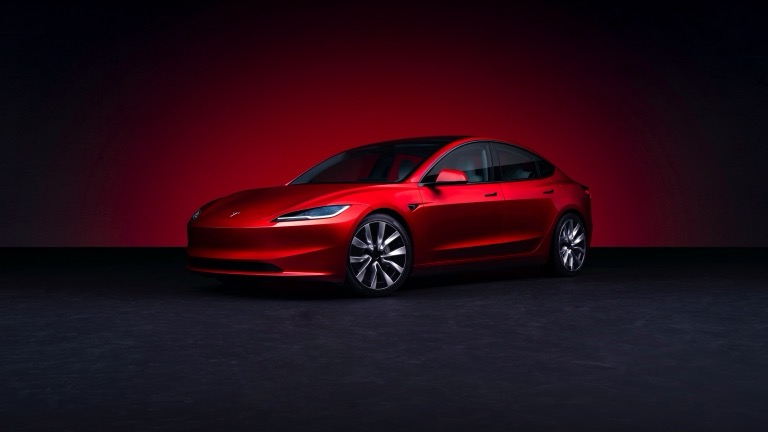
The 2025 electric vehicle market is crowded, but two models have piqued the interest of buyers and are the most popular: the Tesla Model 3 RWD Highland and the Hyundai Ioniq 6 RWD. These are not merely cars, but visions of the future of personal transport, each with a unique way of pursuing electrification. Their attraction is a remarkable combination of extended range, exciting performance, and forward-thinking technology that makes them unique.
The Tesla Model 3, now updated as the ‘Highland’, still rules as the gold standard in luxury EV sedans. It is a continuation of a history of innovation, including a plain design and an impressive technology suite. The 2025 Model 3 RWD Highland is not just a refresh; it’s a reaffirmation of Tesla’s commitment to maximal efficiency and innovation, reinforcing its position as the top dog. Among the many Highland updates, more sleek and aerodynamic styling, quieter and more luxurious interior, and more features, the churning powertrain is a big step up from a winning formula.
Hyundai Ioniq 6 is challenging this hegemony. With a daring design that recalls the streamliner, the Ioniq 6 demonstrates a legacy automaker’s dramatic shift toward an electrified future. The Ioniq 6 seizes that legacy and twists it forward into a new era. It competes in the performance sedan segment not as an also-ran, but as a legitimate contender with strong value propositions and an attractive design. The Ioniq 6 RWD promotes affordability yet does not fall short in both assessing form and function, and is a demonstration of Hyundai’s engineering capabilities. This matchup promises to offer an intriguing duel between Tesla’s entrenched superiority and incremental technology and Hyundai’s bold styling and attainable performance. It’s a fight of philosophies as much as it is a fight of cars.
Quick Recap: Key Takeaways
If you are interested in a summary for high-level understanding, this is a section to offer you a quick peek at what really is the 2025 Tesla Model 3 RWD Highland and Hyundai Ioniq 6 RWD that makes them solid contenders in the electric sedan market. Here’s a quick overview of the main points we will discuss in this in-depth comparison.
- Manufacturer: Tesla, veteran EV pioneer, vs Hyundai, traditional automotive giant ramping up its electric mobility profile.
- YearModel: Both vehicles for the model year of 2025, with the most recent advancements and improvements.
- Body Type: Two four-door electric saloons. Both cars are designed for maximum efficiency and range with a particular focus on aerodynamics.
- Trims/Variants Available: This comparison is for the Rear-Wheel Drive (RWD) variant only, which is the common entry-level option for both models, and balances performance and value.
- Interior and Exterior Styling: The Model 3 Highland adopts a more polished and minimalist design; meanwhile, the Ioniq 6 boasts a daring ‘streamliner’ shape that looks futuristic and eye-catching.
- Performance and Ride: Both sedans offer the instant torque and silent acceleration that EVs are known for, but each has unique driving dynamics. Model 3 is focused on crisp, responsive handling, Ioniq 6 is stable and comfortable.
- Powertrain Options: This review is for the single-motor, rear-wheel-drive configurations. With high efficiency and sufficient performance for everyday use and long-distance travelling, these motors are best suited for the latter.
- Innovations & Features: Tesla is once again at the head of the class with its sophisticated Autopilot and minimalistic, mainly screen-based cockpit. Hyundai’s V2L (Vehicle-to-Load) technology is the gimmick, while the traditional yet tech-forward dual-screen dashboard layout is the counterpoint.
- Comparison: A side-by-side look at how these contenders compare in important areas such as driving range, charging speed, passenger space, and overall value proposition.
- Price Range: Both vehicles are competitively priced within the luxury EV space, and they deliver different types of value based on feature inclusion, brand heritage, and performance credentials.
Overview & Design Inspirations: A Tale of Two Philosophies
From an engineering and visual standpoint, the 2025 Tesla Model 3 RWD Highland and the Hyundai Ioniq 6 RWD look to be polar opposites of each other. Each is a pure expression of its manufacturer’s philosophy and reveals widely differing ways of reaching the same destination: maximum electric vehicle efficiency. Tesla reaffirms its tried and true minimalist aesthetic through constant refinement, while Hyundai makes a radical departure with an emotionally charged, aerodynamically shaped design. This essential divergence in philosophy is what makes their rivalry so compelling.
Tesla Model 3 Highland: The Pursuit of Refined Minimalism
Simplicity Then: Elegant Simplicity has always been Tesla’s principle guiding the design and engineering process for Model 3. The 2025 Highland is the purest expression of this yet. From what we can gather, the manufacturer’s informal credo could be boiled down to “maximum efficiency by way of removal.” Every curve and surface of the Model 3 Highland has been rethought to help it slip through the air more easily. The front end is more angular, the headlights are more streamlined, and the body panels are designed to channel air smoothly from the front to the rear. This is not simply an exercise in making new cars look modern; it’s an obsessive engineering exercise to scavenge every last mile out of the battery pack.
That minimalist principle runs deep in the car’s design. Production simplicity and weight reduction increase efficiency: Tesla’s extensive use of large, single-piece castings and simplified component design reduces production complexity and weight. The exterior styling, which features dimensions uncluttered by adornments and with a futuristic look, strongly attracts those who desire a tech-centric, almost clinical look. It’s a design that doesn’t need to shout to get noticed, since its quiet confidence and brainpower allow it to stand apart. This is an approach that speaks to a younger, more tech-savvy audience that places function and a clean and uncluttered user experience higher on the priority scale over traditional automotive styling queues.
Hyundai Ioniq 6: The Emotional Streamliner
Hyundai’s take on the Ioniq 6 provides an almost polar opposite to Tesla’s Spartan approach. The Ioniq 6 is based on Hyundai’s “Electrified Streamliner” philosophy, which takes cues from the sleek, aerodynamic cars of the 1920s and ’30s. “You want the design to emotionally evoke our design DNA but at the same time serve as a very streamlined form of efficient mobility,” the brand’s head of design said. The upshot is a vehicle that gets a single, sweeping curve for the entirety of its profile. From its low-slung nose to its signature boat-tail rear featuring a pixel-adorned spoiler, the Ioniq 6 is meant to be visually impactful and to push air effortlessly.
The science behind this style is equally intentional. Hyundai’s Ioniq 5 vs Ioniq 6 design evolution. The carmaker has worked hard on blending form with function and getting really close to the ideal with what it calls an “aerodynamic sculpture,” with each design element pulling a dual duty as both stylish and utilitarian. The active air flaps in the front bumper, the digital side mirrors and the covered underbody all contribute to a surprisingly low drag coefficient. This design language is the darling of many buyers. It has a futuristic and bold design, which attracts younger drivers, and the older crowd might be more interested in the classic automotive design features, as well as the comfort the aerodynamic body shape offers by shielding them from wind noise as you drive.
Model 3 RWD Highland vs. Hyundai Ioniq 6 RWD: Rivals in Form and Function
So why are these two cars such direct competitors? It boils down to their common purpose and target audience, resulting in different design expressions. They’re both four-door electric saloons that offer outstanding range, strong performance and a look at what motoring in the future is all about. They cater to the same customers, professionals and families alike, with those seeking a practical performance EV to be their first real experience with the technology.
The competition is the classic body versus soul. Model 3 Highland is designed for the practical, rational buyer who cares about the efficiency of the overall system, from the Supercharger network to the integrated software. It’s the cool, considered option. The Ioniq 6, meanwhile, tugs at your emotions. It’s aimed at the consumer who wants their vehicle to be a statement, a piece of art that makes a splash on the streets while still being able to keep the pragmatic promises of an EV. It’s that push and pull between subtle dominance and overt expression of innovation that makes this battle between the Model 3 and Ioniq 6 one of the best stories in today’s automotive market.
Variants & Trims Breakdown: Finding Your Fit
Shopping for a trim level with the Tesla Model 3 vs. the Hyundai IONIQ 6 is more than just picking a brand; it’s about finding the exact trim that fits your budget, performance needs, and wants. Here, we’re looking at the rear-wheel-drive (RWD) versions, which are the cheapest versions in the respective ranges. These versions are designed for the best possible combination of distance, power, and value in the industry, and that is why they can accommodate such a high number of drivers.
While both Tesla and Hyundai have streamlined their product line, there are still fundamental packaging and philosophy differences. Tesla’s philosophy is to include most features by default and then offer enhancements mainly in software and performance. Hyundai, following more conventional automotive logic, has a few distinct trim grades that combine features, which means you get discrete levels of luxury and technology. Knowing your differences. What you need to know. Before you can figure out which car sells the best deal here for you, you really need to be able to understand these differences.
Model 3 and Ioniq 6: RWD Trim Comparison
Here’s what the standard RWD Model 3 Highland and Ioniq 6 trims bring. Both make good cases, but their strengths cater to different priorities.
| Feature | 2025 Tesla Model 3 RWD Highland | 2025 Hyundai Ioniq 6 RWD (SE Trim) |
|---|---|---|
| Value Proposition | The quintessential tech-forward EV experience with access to the Supercharger network and OTA updates. | Exceptional value with rapid charging, V2L technology, and a more feature-rich standard interior. |
| Key Standard Features | 15.4″ central touchscreen, glass roof, heated/ventilated front seats, Autopilot, vegan leather interior. | Dual 12.3″ screens, heated front seats, 8-way power driver seat, and advanced driver-assist systems. |
| Notable Upgrades | Enhanced Autopilot (£3,400), Full Self-Driving Capability (£6,800), 19″ ‘Nova’ wheels (£1,500). | N/A on SE trim. Higher trims (Premium, Ultimate) add features like a sunroof, Bose audio, and V2L. |
| Approx. Base Price | £39,990 | £43,440 |
Note: Pricing and features are based on UK market estimates for 2025 models and may vary. Check with local dealers for exact specifications.
Different Variants: Strengths and Innovations
Tesla Model 3 RWD Highland
Model 3 RWD Highland is not just another feature car; its strength lies in the holistic model of synergistically integrated Mercury-based hardware and software. The single rear motor has been optimised for maximum efficiency, allowing it to provide quick acceleration (0-60 mph in 5.8 seconds) and a best-in-class range that makes it an awesome all-around vehicle. For 2025, the Highland brings significant changes and treats on refinement. The result: a library-quiet cabin that addresses a major gripe of the last-gen. More comfortable re-profiled seats for new rear 8-inch screen for climate and entertainment control, a new rear 8-inch screen for climate and entertainment control, all enhance passenger experience.
However, the core innovation is still Tesla’s software. The fact that you can purchase game-changing features such as Enhanced Autopilot or Full Self-Driving Capability through an over-the-air update is something traditional automakers are still trying to match. The end result is a car that feels perpetually new. Though the base car comes well equipped, these optional software packages provide a level of semi-autonomous driving assistance that has become synonymous with Tesla ownership. The value isn’t just in the hardware you drive off the lot, but in the car’s potential to evolve over time.
Hyundai Ioniq 6 RWD (SE & Premium Trims)
Hyundai’s advantage is in delivering real, high-value features from the base model up. The Ioniq 6 RWD also comes in two main flavours: SE Standard Range and SE Long Range. Although we are concentrating here on the Long Range model to keep it fair, it’s also worth mentioning that the standard model offers a lower entry price point for people with shorter commutes. The standout innovation of the Ioniq 6 is its 800V architecture, which enables ultra-fast charging from 10% to 80% in as little as 18 minutes, a major real-world benefit.
Another game-changing feature, even on the base trim, is Vehicle-to-Load (V2L) technology. This feature lets you plug in devices a laptop, a coffee maker, or whatever else, into the car’s battery, and use your vehicle as a power source on the go. It’s a clever, practical innovation that gives Model 3, if you want, a bit more utility. Moving up to the Premium RWD trim gains you a few luxury and practicality features without the need to wade through various option packs: a heat pump for enhanced cold-weather efficiency, wireless phone charging, and better interior materials. Hyundai’s value proposition is a solid, all-around approach: When you buy their cars, you can see and touch the value right away.
Tesla Performance & Driving Experience
Performance is always a marquee subject when talking about a Tesla. 2025 Model 3 RWD Highland continues this tradition, providing a driving experience that is thrilling, yet incredibly mature. It achieves the perfect equilibrium between the immediate torque electric cars are famous for and the hushed ride comfort of a high-end saloon. Tesla is engineering a car that is not only fast in a straight line, but that is also intuitive, responsive and intimately connected to the driver.
At the heart of this experience is a single permanent magnet synchronous reluctance motor on the rear axle. This configuration is highly efficient and still delivers high quality, exciting performance. The powertrain is designed to be simple and efficient, with a single-speed transmission that allows for continuous, uninterrupted acceleration from zero all the way to its maximum speed. The design removes the jolts and pauses of traditional gear changes and works to a smooth yet energetic feel.
Unpacking the Performance Specifications
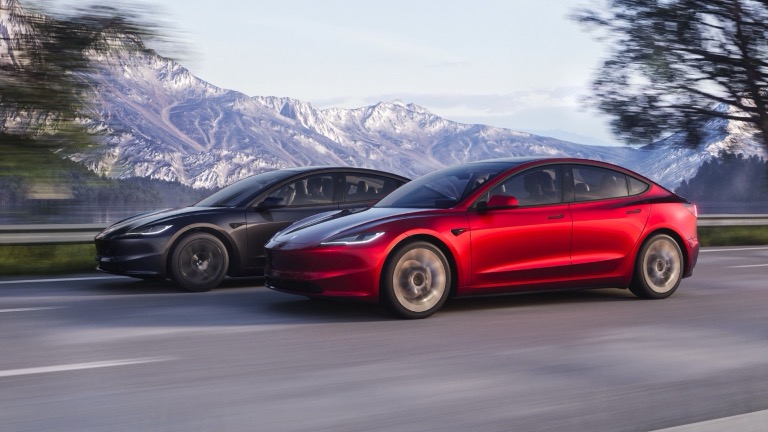
Behind the Model 3 RWD Highland numbers tell a fairly solid story. While Tesla is usually tight-lipped about exact horsepower and torque numbers, choosing to let the real-world numbers do the talking, the performance figures are pretty impressive for a non-performance model. The car accelerates from 0 to 100 km/h (0 to 62 mph) in 6.1 seconds. That rapid acceleration makes merging onto freeways and weaving through city traffic a breeze. It has an electronically limited top speed of 201 km/h (125 mph), which is more than enough for any public road.
It’s not just the motor that is behind this performance; it is the complex software that manages it. Power delivery is instantaneous and linear, with torque coming on the moment you touch the accelerator. It’s the immediacy of that response that gives the Model 3 its distinctively lively character and perhaps makes it feel quicker in all-day driving than its numbers indicate. The system itself is an elegant balance of hardware and software that enables the enjoyment of performance when you want it, and the pleasure of a relaxing cruise when you don’t.
Behind the Wheel: Comfort and Handling Refined
Experience driving the Model 3 Highland is where the big 2025 changes come into play. The refresh’s priorities were to improve ride comfort and decrease noise heard inside the cabin, and that was well achieved. Tesla has reworked the suspension, installing new springs and dampers which better absorb the imperfections of the road. It’s more settled and composed over undulations, and the ride is sufficiently good to compete against the established premium saloon.
This newfound comfort does nothing to impair the car’s ability to turn. The steering is still sharp and direct, and responsive. There are three different steering modes: Comfort, Standard and Sport, which enable the driver to modify the weight and feedback according to their tastes. The steering is firm and communicative in Sport mode, and you can really feel the road, which makes you trust it more in corners. Comfort mode reduces the required effort, making it easier to steer in the city. Thanks to its low centre of gravity, resulting from its underfloor battery pack, the Model 3 Highland comes with a level of agility that’s as engaging and fun to drive on a winding road as it is on a daily commute. The upgraded acoustic glass and extra soundproofing round out the package, giving you a peaceful cabin that lets you either enjoy the ride or your music without the distraction of wind or tyre noise.
Interior, Comfort & Technology: The Cabin Experience
A driver’s closest bond with a vehicle is in the cabin. It’s a home away from home for the daily grind and a cockpit for the highway. For electric cars, the cabin has also emerged as a venue for technology innovation and future design. Although the 2025 Tesla Model 3 RWD Highland and the Hyundai Ioniq 6 RWD bestow very different and in many ways opposing interior experiences, their unique brand philosophies certainly shine through. Tesla maintains its signature minimalism, and Hyundai incorporates futuristic tech in a more driver-centric, conventional layout.
Tesla Model 3 RWD Highland: The Minimalist Sanctuary
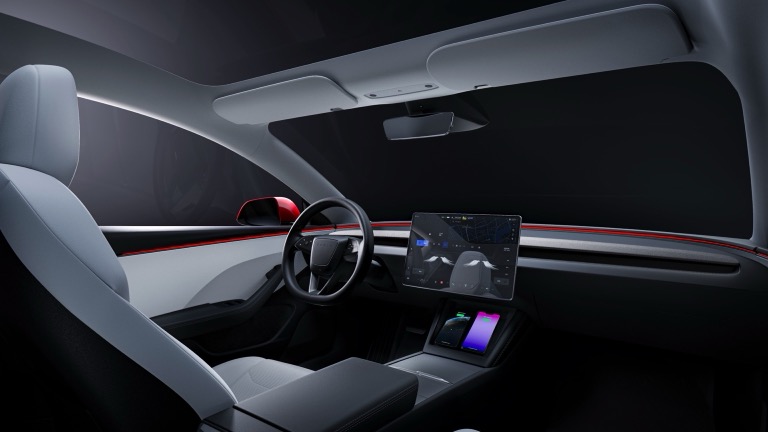
Every seat, every handhold, and every knob in the Model 3 Highland feels like an exercise in paring back. The layout is minimal, and there aren’t any real physical buttons; instead, a gorgeous 15.4-inch central touchscreen dictates the whole experience. There are no physical buttons, air vents are hidden within the dashboard, and even the gear shifter has been eliminated in favour of on-screen controls. Tesla has raised the bar for the 2025 model with upscale materials, soft-touch surfaces and a whole cabin wrapped in new textile trim, creating a more luxurious and cohesive experience. With the addition of customizable ambient LED lighting, now there’s a little bit more personality.
The Highland has a more comfortable feel overall. Now the front seats are standard, both heated and ventilated, a merited enhancement to climate comfort. New seat cushions and bolsters help to keep occupants in place on long trips. The ergonomics are odd; almost everything you do, from changing the mirrors to turning on the wipers, is done on a central screen or with two nameless scroll wheels on the steering wheel. This may require some adapting, but owners will undoubtedly appreciate the to-the-point experience once they have adjusted. Storage is a strong suit, with a sizable centre console, ample door pockets and the practicality of a front trunk (frunk) and a rear trunk.
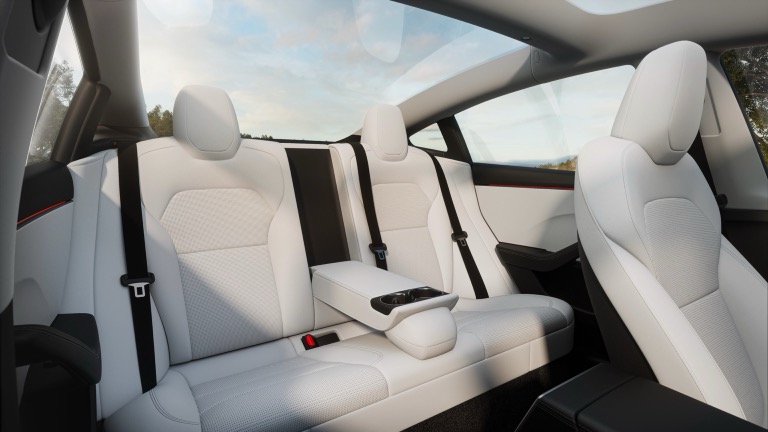
The infotainment system still sets the industry standard for snappiness, responsiveness, and cohesion. It includes navigation, media, vehicle controls and a variety of entertainment applications. Integration happens naturally, with strong voice controls that allow you to handle numerous tasks quite well. Tesla’s Advanced Driver-Assistance System (ADAS), Autopilot, is standard, which includes full adaptive cruise control and lane-keeping assistance. Upgrades are also available to Enhanced Autopilot and Full Self-Driving Capability for additional semi-autonomous features, making the Model 3 a tech powerhouse. Back-seat passengers get a new 8-inch rear touchscreen, allowing them to take control of their climate and entertainment, a nice touch that improves the passenger experience.
Hyundai Ioniq 6 RWD: The Digital Cockpit
The Hyundai Ioniq 6 takes a much different stance when it comes to interior design. Where the Model 3 is Spartan, the Ioniq 6 boasts a feature-packed digital cockpit that’s at once futuristic and easy to use. A panoramic display, which combines a 12.3-inch digital instrument cluster and a 12.3-inch infotainment touchscreen, dominates the dashboard. This arrangement delivers an enormous amount of information to the driver right in his/her line of sight, and that more old-school location is one that will bring comfort to many. The incorporation of sustainable materials such as recycled plastics and eco-processed leather further demonstrates Hyundai’s dedication to a greener production line.
Ioniq 6 feels more normal in terms of ergonomics. Climate and media main features have physical buttons or capacitive-touch controls, as an alternative to scrolling through menus. This combination of tactile and digital controls creates a good balance between old-school and new-school digital technology. The “bridge-type” centre console adds to the sense of space by maintaining openness between seats and offers ample stowage space under the bridge. The passenger compartment is spacious, particularly in the rear, where occupants are treated to a flat floor. Hyundai’s infotainment system is both robust and user-friendly, with Apple CarPlay and Android Auto as standard for smartphone connectivity.
The digital instrument cluster can be customised so the driver can choose what information to prioritise. The brand’s “Highway Driving Assist 2” (HDA 2) is an extremely competent ADAS suite that can easily be compared to Tesla’s standard Autopilot, providing lane-centring, adaptive cruise control and even lane-change assist in certain trims. The most notable tech highlight is the Vehicle-to-Load (V2L) function, enabling you to run appliances and gadgets straight from your car’s battery – a real-world benefit that converts the Ioniq 6 into a mobile power source, whether you’re at work or play.
Safety & Reliability: Engineering Peace of Mind
When selecting a new car, especially one to be driven daily and used for family errands, safety and reliability have to top the list. Tesla and Hyundai have also poured millions into making cars that are not just efficient but also offer a safe place for passengers. The 2025 Model 3 RWD Highland and the Ioniq 6 RWD are just two examples of this philosophy, combining unique body structure design with high-level active safety solutions to enhance the safety of the driver and passengers.
In addition to initial crash protection, long-term durability is important for all owners. Due to the relative simplicity of electric powertrains, they tend to have higher reliability and lower maintenance costs than internal combustion engines. But the reliability of the intricate software and electronics systems is just as crucial. Here, we quantify how these two companies fare in the important areas of safety and long-term owner confidence.
Tesla Model 3 RWD Highland: A Legacy of Safety
Tesla has long been known to not only offer performance but also to get their entire line-up rated as some of the safest in the industry. The Model 3 has always received 5-star ratings from the US government and other leading safety organisations, including the NHTSA and Euro NCAP. The 2025 Highland is built to carry on that tradition. That’s because it all starts with the safety vehicle’s basic architecture. The solid body reinforced by the underbody battery pack forms a highly rigid safety cell, and the high centre of roll is lowered significantly, which reduces the possibility of rollovers.
There is a generous amount of safety equipment fitted as standard, including a full complement of airbags and sophisticated braking systems with emergency braking.
But the chief safety benefit for Tesla lies in its active safety features, which come bundled with the standard Autopilot system. It relies on a series of cameras to observe the surroundings of the vehicle and provide functionalities such as forward collision warning, lane departure prevention, and blind spot monitoring. These are not merely passive warnings; they can also actively intervene with braking and steering to help prevent a crash. From a reliability perspective, Tesla’s products are also better in terms of repairs, since many minor ones can be fixed over-the-air.
Hyundai Ioniq 6 RWD: Comprehensive Protection
Hyundai has made amazing progress in vehicle safety, and the Ioniq 6 is a shining example of this, now being recognised with the 2024 IIHS TOP SAFETY PICK+ award. With a rugged body structure built on the E-GMP platform, the Ioniq 6 is complete with a unique composition that can optimally absorb impact force during a crash. It includes a new front-centre airbag that helps to prevent the driver and front passenger from striking one another in a side impact.
The Hyundai Ioniq 6 is loaded with Hyundai’s SmartSense advanced driver-assistance features. This impressive array typically includes options that are charged extras on rival models. Standard features include Highway Driving Assist 2 (HDA 2), which integrates adaptive cruise control and lane-centring and can assist you with changing lanes. It also has Junction Turning Assist that can brake if an oncoming vehicle is detected while you are making a left turn at an intersection. Reliability-wise, Hyundai is one of the best warranties in the business, including a 10-year/100,000-mile warranty on the battery and on the EV components. This comprehensive coverage offers considerable reassurance and reflects the brand’s confidence that its electric powertrain will last the distance.
Head-to-Head: The Competitive Landscape
When it comes to picking an electric saloon in 2025, there are some truly formidable candidates. Leading the way, the Tesla Model 3 Highland and Hyundai Ioniq 6 are arguably the best choices, but there are several other worthy options from traditional and new manufacturers. Where these two competitors really stack up against each other is when you pit them not just against each other but against significant contenders such as the Polestar 2 and BYD Seal to see how they measure up. This more general comparison showcases the strong points of each car and makes it a little easier to decide which one provides the better overall package for your needs.
Each of these cars brings a particular approach to the electric saloon segment. Tesla has the most established technology stack and is the most efficient. Hyundai has good arguments on its side with striking styling and fast charging. Polestar brings a flair of Scandinavian minimalism and compelling driving dynamics, while BYD establishes itself as a strong new contender, offering cutting-edge battery technology and aggressive pricing in the market. These pairs in particular reveal a market bursting with choice ; the “best” car is always going to be dependent on which priorities you have.
Electric Saloon Showdown: Spec Comparison
With this table, you can easily compare the Model 3 and Ioniq 6 against the nearest alternatives side by side and in the most important categories for EV purchasers.
| Metric | Tesla Model 3 RWD Highland | Hyundai Ioniq 6 RWD | Polestar 2 Standard Range | BYD Seal RWD |
|---|---|---|---|---|
| Approx. Price | £39,990 | £36,000 | £44,950 | £45,000 |
| Range (WLTP Est.) | 344 miles | 338 miles | 322 miles | 354 miles |
| 0-60 mph | 5.8 sec | 7.0 sec | 5.9 sec | 5.9 sec |
| Max Charging Speed | 170 kW | 233 kW | 135 kW | 150 kW |
| Design Ethos | Refined Minimalism | Emotional Streamliner | Scandinavian Modern | Oceanic Aesthetics |
| Key Value Prop. | Tech Ecosystem & Efficiency | Ultra-Fast Charging & V2L | Driving Dynamics & Quality | Battery Tech & Overall Value |
Note: All figures are estimates for 2025 RWD models and may vary by market and final specification.
Analysis: Finding the Right Fit
The numbers portray a close battle, but it’s the subtle differences that decide which car is right for a particular shopper. The Tesla Model 3 RWD Highland continues to set the standard for those who desire a flawless technology-centric experience and tried-and-true real-world efficiency. Access to the massive Supercharger network makes it also provides access to a Level 1 network, unparalleled convenience for long-distance travelling. The sleek, clean-lined cabin and best-in-class infotainment system attract the tech-savvy who consider their car an appendage of their digital life. It is the sensible, efficient and forward-thinking option.
The Hyundai Ioniq 6 RWD is for the buyer who wants to say something. But its striking styling is just the tip of the iceberg. The 800V system enables unprecedentedly high charging rates, thereby significantly reducing road stoppage. The utilitarian Vehicle-to-Load (V2L) functionality introduces a utility edge that no rival in this category can match. The Ioniq 6 is designed for the imaginative, tech-forward driver who appreciates both style and useful innovation.
The Polestar 2 Standard Range is for the classic motoring enthusiast. It has a more traditional cabin design than the Tesla, emphasising upscale materials and a solid, premium feel. It is crisp and fun to drive, making it a real driver’s car. Although its range and charging rates are a little bit less, it compensates its owner with a mature and calm ride. This car is for the buyer who likes their design understated and prefers the tactile sensations of being behind the wheel.
BYD’s Seal RWD introduces an enticing new value proposition. It takes on the traditional players with a strong performance and a class-best estimated range, made possible by its pioneering “Blade Battery” technology. It has a contemporary exterior design, and its interior is well-featured for the price. The Seal is a perfect option for the down-to-earth buyer who needs to maximise range and features for their dollar and is willing to bet on a brand that is quickly ascending.
Why Choose the Model 3 RWD Highland and Hyundai Ioniq 6 RWD
Selecting the right EV usually comes down to which car best fits your needs and values. The 2025 Tesla Model 3 RWD Highland and the Hyundai Ioniq 6 RWD established themselves as bestsellers precisely because they provide such unique, attractive, and convincing solutions to that question. They’re not just transportation; they’re technology, design and performance tightly packaged, each configured for a particular vision of EV mobility.
Choosing the Model 3 Highland means you’re buying into a mature and integrated ecosystem where your car, software and charging network are built to work in harmony. By comparison, buying the Ioniq 6 is a vote for bold design and functional innovation, underpinned by the global auto leader’s manufacturing expertise. Knowing their fundamental strengths and what they represent for lifestyle needs can help you decide which of these excellent vehicles is better suited to you.
The Case for the Tesla Model 3 RWD Highland
Model 3 RWD Highland: Easy Best Buy Tesla’s Model 3 has always been a great value, but the RWD Highland makes it even better, combining outstanding range, comfort, and tech. Where it shines is in the big picture, literally. Tesla engineered the Model 3 not as a single product, but as part of a cohesive system. This translates, as a user, into an experience that is very simple and seamless to use. For daily driving, the quiet cabin, responsive acceleration and standard Autopilot features help ease fatigue. The car is responsive in city traffic, and its compact size, tight turning radius and good visibility make it a cinch to weave through busy streets.
For long drives, the Model 3 offer is almost unbeatable. Its superb real-world range and the ability to access the Tesla Supercharger network, which you can’t use with any other EV, wipes away nearly all of the anxiety about road trips. The network is solid, fast and tightly integrated with the car’s navigation system, which will even help you plan charging stops. The Model 3 is Tesla’s tool for reaching mass-market sales strategically. With ongoing improvements to the efficiency, manufacturing process and software, Tesla keeps the car fresh and competitive, and keeps itself positioned as the tech company other automakers hope to catch up with.
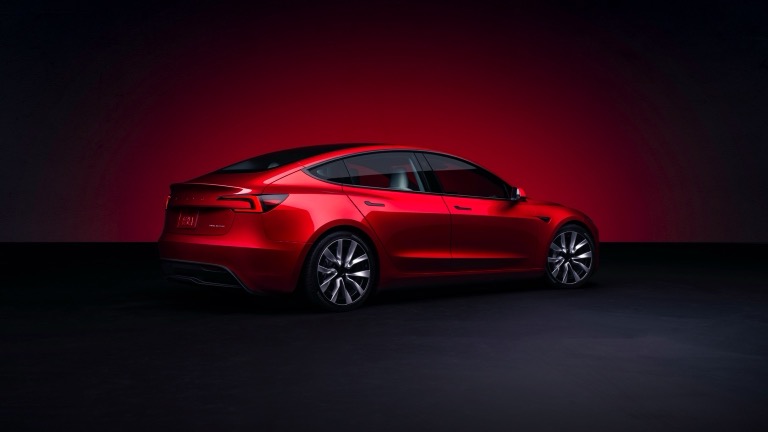
Pros of the Model 3 RWD Highland
- Unmatched Charging Infrastructure: Access to the vast and reliable Tesla Supercharger network offers unparalleled convenience and peace of mind for long-distance travel.
- Integrated Technology Ecosystem: The seamless interplay between the car’s software, mobile app, and over-the-air updates creates a user experience that feels futuristic and constantly evolving.
- Exceptional Efficiency and Range: Decades of EV-focused engineering result in a powertrain that extracts maximum range from its battery, making it a leader in real-world efficiency.
The Case for the Hyundai Ioniq 6 RWD
The Hyundai Ioniq 6 RWD is an attractive option for those who place a premium on eye-catching design and cutting-edge, usable technology. What makes the architecture particularly noteworthy is that it is an 800-volt system, a feature mostly found in luxury EVs. That’s what allows for ultra-fast charging speeds, which can cut down the amount of time you have to spend at a charging station, a major plus for anyone who needs a quick juice-up while on the road. This renders the Ioniq 6 ideal for long drives, almost as convenient as the Tesla ecosystem when paired with a compatible high-speed public charger.
In everyday use, the Ioniq 6 perform well with its smooth ride and roomy, nicely finished cabin. The most distinctive feature is the Vehicle-to-Load (V2L) function that lets you use the car’s battery to power external gadgets. That means you can turn your vehicle into a mobile source of power, whether you’re camping, tailgating, or need to keep the lights on during a power outage. From a product standpoint, the Ioniq 6 is Hyundai’s big statement that a traditional automaker can be at the forefront of EV design and innovation. Designed to capture hearts and minds as well as market share, it shows that electric cars can be both emotionally satisfying and technologically leading-edge.
Pros of the Ioniq 6 RWD
- Ultra-Fast Charging Capability: The 800V architecture allows for some of the fastest charging speeds on the market, minimising downtime during road trips.
- Practical Vehicle-to-Load (V2L) Feature: The ability to power external electronics adds a layer of real-world utility that competitors lack.
- Comprehensive Warranty: Hyundai’s industry-leading warranty on the battery and EV components provides exceptional long-term peace of mind for owners.
Which 2025 Electric Saloon Is Right for You?
After evaluating the above specifications, it is evident that both the 2025 Tesla Model 3 RWD Highland and Hyundai Ioniq 6 RWD are the game-changing electric vehicles of the year. Both are stunning visions of the future of driving, but very different philosophies get them to those places. Nevertheless, the choice between them isn’t really about which is the “better” car, but what strengths and character best align with your personality, lifestyle, and what you want out of a four-wheeled auto experience.
The Tesla Model 3 RWD Highland is a lesson in how refinement and a mature, integrated ecosystem can be powerful. It evolves a winning recipe by introducing new levels of comfort, quietness and interior quality, while maintaining all the attributes that have made it a best-seller. Its combination of outstanding range in real life, enjoyable performance and easy-to-use technology makes it an enormously wise and practical buy. But the real upside of the Model 3 goes beyond the car itself. It is a smooth access to the massive and reliable Supercharger network, which yields unparalleled confidence in long-distance travel, substantially alleviating range anxiety.
Meanwhile, the Hyundai Ioniq 6 RWD you see here is a completely different animal, breaking the mould with audacious styling and game-changing practical features. It’s a statement look from a traditional automaker that wants to dominate in the EV space. The car’s 800-volt system allows for ultra-fast charging that minimises downtime, a real perk in a world where time is money. Additionally, the slick Vehicle-to-Load (V2L) functionality allows you to draw power from the vehicle, effectively turning your car into a mobile power source, a level of utility you don’t get with any of the competitors. All that with a comfortable ride and a tech-savvy but not too tech-heavy interior, and the Ioniq 6 turns out to be a pretty well-rounded and solidly compelling offering.
So, which one is worth your investment?
Tesla Model 3 RWD Highland is the best pick for fans of tech-savvy pragmatism. If you want a plug-and-play experience in which your car, charging and software all function in lockstep, the Model 3 is unmatched. It’s the perfect car for those who frequently travel long distances and want the most efficient, stress-free road trip experience possible. If you think of your car as an extension of your digital life and love a clean, minimalist look, then you will absolutely want to buy the upgraded Model 3 Highland. It still serves as the yardstick, and for reasons.
The Hyundai Ioniq 6 RWD is the ideal vehicle for the lively individual who desires to make a statement with their design and appreciates cutting-edge technology that can be used in everyday life. If you’re after a vehicle that’s just as likely to start a conversation among your friends as it is to offer revolutionary charging speeds and the one-of-a-kind option to power your devices, the Ioniq 6 is humorously good. Chocolate consumers who like a less radical (but still very futuristic) cockpit and want the long-term comfort of a full manufacturer warranty. If you have a penchant for daring design and functional resourcefulness, then the Ioniq 6 is a smart buy that undoubtedly lives up to what it promises.
In the end, both the Model 3 Highland and the Ioniq 6 are outstanding electric saloons that bode well for the future of the car industry as a whole. The decision is really down to whether the rational allure of an integrated ecosystem or the emotional appeal of risk-taking design and pragmatic innovation weighs more heavily for you.
Schedule your Model 3 RWD Highland test drive at The.Car today unlocks a new driving experience.