Electric Aesthetics: A Deep Dive into Design and Philosophy
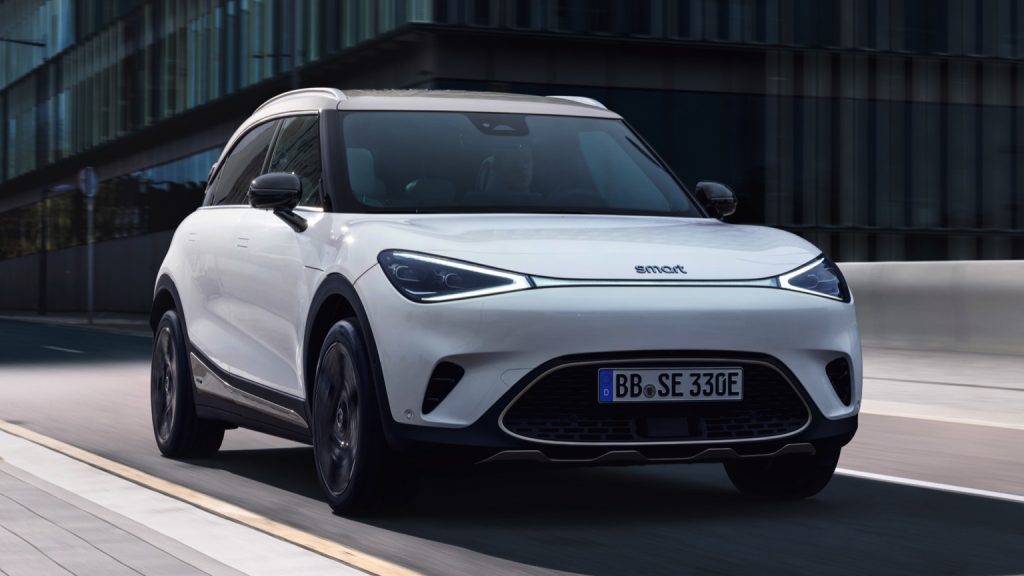
When the stakes are as high between two cars as the Smart #1 Pro+ vs the Hyundai Kona Electric Premium, their race often begins with design. A car’s visual identity is its first handshake with a prospective owner, communicating the type of ride the car delivers. Smart and Hyundai have each injected clearly distinct philosophies into their small electric SUVs, resulting in two models that are equally compelling yet for completely different motivators. They’re a study in contrasts: one emerged from a brand’s reinvention, the other from the evolution of a market leader.
The Smart #1 Pro+ is a rolling statement of intent. The #1 is designed under the philosophy of ‘sensual producty,’ which derives from the Mercedes-Benz parent company and means that the car should be emotionally engaging and functionally intelligent. The brand’s strategy was to build a car that felt premium and futuristic, leaving behind the admittedly odd, quirky microcar days for something more high-end, and definitely more easy on the eyes. This can be seen in the smooth, almost pebble-like riding surfaces, the flush door handles and the simple, uninterrupted lines. The aim was to integrate aesthetics and aerodynamics, making a shape that was at once beautiful and aerodynamic.
Floating “halo” roof and frameless doors are hallmarks of the new, more upscale direction of the line, making the vehicle appear pricier than it actually is. In the other corner is the premium variant of the Hyundai Kona, which boasts an evolutionary design inspired by technological assurance. Hyundai’s take leans away from sensuality toward futuristic function. The new design language is more daring and more aggressive with the introduction of the “Seamless Horizon Lamp,” a pixel light bar that unites the front and rear. This is not just a styling element; it is a sign of the car’s electric, high-tech being. This generation’s Kona Electric was purpose-built as an EV from the ground up by Hyundai’s engineers, who designed it to be both aerodynamically efficient and to have plenty of interior space, a clear breakaway from the ICE platform of its predecessor. So the end result is a car that looks unique, current, and distinctly electric.
Similarities and Differences in Design DNA
The Smart #1 Pro+ and Hyundai Kona Electric Premium seem geared towards the same goal, becoming the default compact electric SUV for today’s drivers. Each has a five-door, hatchback body with dimensions well-suited to urban life, and styling elements that draw attention to its electric powertrains. But their implementation shows what makes them so fundamentally different rivals. The design of the Smart #1 Pro+ is soft, minimalist and curated. It speaks to a purchaser who appreciates the value of a brand name and understated sophistication, like “less is more”, which is very European. Its smooth surfaces and rounded shape are likely to appeal to a younger, more style-conscious crowd that views their car as an extension of their personal brand, much like a premium smartphone or designer handbag.
Oppositely, the Hyundai Kona Electric Premium’s exterior is a little sharper, a little more angular and a little more obviously tech-centric. The outsized wheel-arch protectors and character lines contribute to a chunkier, more off-road-friendly appearance, while the pixelated lighting bestows a unique, digitally-driven look. Particularly for buyers concerned with functionality, practicality, and value enhancement, this design language speaks to a more pragmatic, tech-savvy consumer who likes what they see in terms of visual innovation and functional aesthetics. It might be offered to a wider age range, as mature buyers who already know and trust the brand for reliability and value, and family buyers who need a practical vehicle but don’t want to hide their lifestyle.
Their competition is interesting because they serve a somewhat similar demographic, but from either end of the design spectrum. The Smart #1 Pro+ entices consumers with a high-end design and boutique experience, while the Kona Electric pulls them in with a striking, forward-looking design and a history of dependable, attainable technology. Both are vying to establish what a modern, mainstream electric SUV should look and feel like, so this competition makes for a great snapshot of the current EV market.
Smart #1 vs. Kona Electric: Trims and Variants Explained
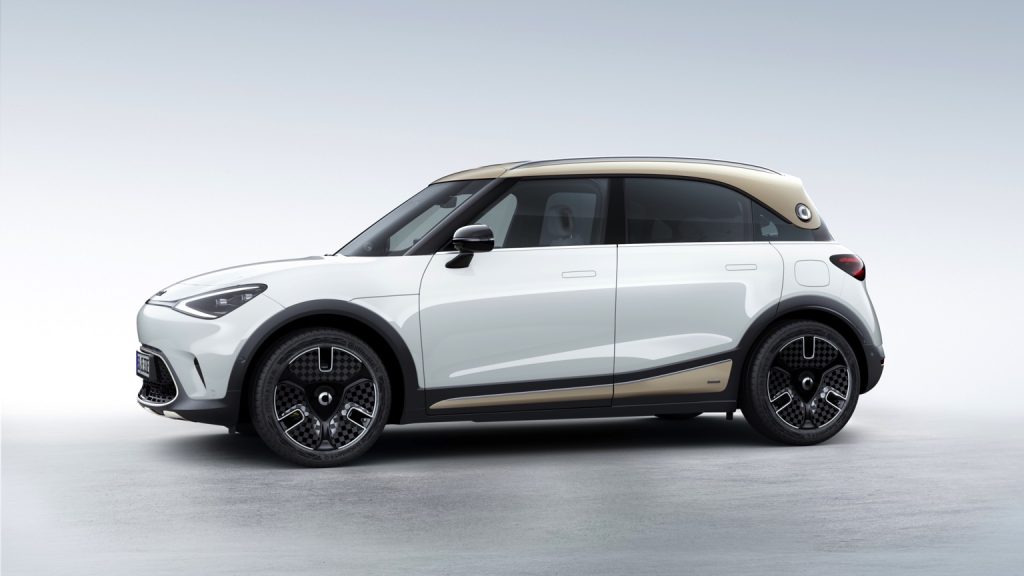
Trim levels are one of the more crucial decisions to make when purchasing a new car. That’s the point where you can play with features, performance, and price to identify the best match for your lifestyle and your bank account. Smart and Hyundai both have compelling choices to make for their electric SUVs, each with a unique set of priorities for drivers. Everything from your bare minimum daily runner to a high-spec flagship variant, knowing the key differentiators between the Smart #1 Pro+ variants and the Hyundai Kona Electric trims can make all the difference to your buying decision.
The Smart #1 range is delightfully simple. You can expect a premium experience regardless of which one you pick. The Pro+ is the well-equipped base level, but higher up the range, and deletes turn into pretty significant luxury and tech upgrades. Hyundai, meanwhile, takes a more conventional approach to trim choice, with each grade gaining a distinct package of equipment features. The Kona Electric Premium is the second-best variant on this list; thus, it combines the best technology and value for money. This guide will explain the differences between each trim level to help you choose which one makes the most sense for you.
Comparing Smart #1 and Kona Electric Trims
| Feature | Smart #1 Pro+ | Smart #1 Premium | Hyundai Kona Electric Premium |
|---|---|---|---|
| Powertrain | 66 kWh Battery, RWD | 66 kWh Battery, RWD | 65.4 kWh Battery, FWD |
| Range (WLTP) | Up to 260 miles | Up to 273 miles | Up to 319 miles |
| Charging | 150 kW DC | 150 kW DC, 22 kW AC | 102 kW DC, 11 kW AC |
| Infotainment | 12.8-inch touchscreen | 12.8-inch touchscreen | 12.3-inch touchscreen |
| Driver Display | 9.2-inch digital cluster | 9.2-inch digital cluster | 12.3-inch digital cluster |
| Audio System | 5-speaker audio | Beats 13-speaker system | Bose 8-speaker system |
| Key Features | Panoramic roof, 360° camera, heated seats | Head-up display, CyberSparks LED+ lights, auto park assist | Heated/ventilated seats, V2L, heated steering wheel |
| Value Proposition | Premium design and core tech at an accessible price. | Full luxury and tech experience for a modest premium. | Maximum range and practicality with extensive features. |
A Closer Look at the Variants
The Smart #1 Variants: Pro+ and Premium
The Smart #1 family is built around simplicity and desirability. The Smart #1 Pro+ ain’t no “base” model. It sets a higher bar with features that are commonly only included in top-tier trims of other automakers. Large features like the expansive panoramic glass roof, a full 360-degree camera system, heated front seats, and the giant 12.8-inch centre display mean that even the most basic trim feels premium. Its power is that it doesn’t require you to shell out the big bucks for add-ons to access Smart’s elegant design and innovative user interface. Pro+ is the best option for those who want style and core tech but are also value-conscious.
Moving on to the Smart #1 Premium trim takes full advantage of the platform. Although it has the same battery and motor as the Pro+, its main focus is on utility and comfort. With the adoption of a silicon carbide inverter and a heat pump, the official range will be increased to 273 miles. And crucially for some, it boosts the onboard AC charger from 7.4kW to a snappy 22kW, which will shorten home and public charging times considerably for those who have access, on compatible models. The Premium also introduces a host of luxury features, including a 10-inch Head-Up Display (HUD), state-of-the-art CyberSparks LED+ Matrix headlights, an automated parking assistant, and a punchy 13-speaker Beats audio system. This trim is for drivers who want to have the full-bore, play all the cards Smart experience.
The Hyundai Kona Electric Premium
Hyundai’s approach with the Kona Electric Premium version is to cram in as many tech and comfort features as possible, while also leveraging its main selling point: range. Based on a customised EV platform, the Kona Electric was designed with efficiency in mind. The Premium version is equipped with the bigger 65.4 kWh battery, which gives it a remarkable WLTP range of 319 miles, an impressive number for this segment.
The ingenuity here is practicality and convenience for the driver. The feature to look out for is Vehicle-to-Load (V2L) technology, which lets you use the car’s battery to power up external devices, which is great for camping or working from a mobile office. In the Premium model, ventilated front seats (heat too), a heated steering wheel and a premium Bose audio system are included. Its two 12.3-inch screens for infotainment and the driver’s cluster set up a modern panoramic cockpit. The Kona Electric Premium is intended to be a no-nonsense EV for truly pragmatic buyers who want all the range they can get, proven reliability, and a long list of features for daily comfort and usability.
On the Road: Smart #1 vs. Kona Electric Performance
A car’s true nature is defined on the road. Outside of design and specification sheets, the driving experience is what ultimately connects a driver to their car. In the electric age, performance isn’t just a measure of how fast you can go but how smoothly the power flows to the wheels, how refined the ride is and how elegantly technology is integrated. Both the Smart #1 Pro+ and the Hyundai Kona Electric Premium deliver distinct on-road character shaped by their own unique engineering approaches.
Smart #1 Pro+ Driving Dynamics
Smart #1 Pro+ is designed to be fun. It runs on Geely’s Sustainable Experience Architecture (SEA), a high-level platform that is also shared with models from other high-end brands. This makes it possible for a rear electric motor producing 268 horsepower (200 kW) and 343 Nm of torque that drives the rear wheels. This classic rear-wheel-drive arrangement delivers a balanced and lively handling character. The #1 Pro+ also flies off the line quite fast and immediately, reaching 62 mph (100 km/h) from a standstill in a mere 6.7 seconds. Its top speed is electronically capped at 112 mph.
Behind the wheel, the Smart #1 is a lively little car. The steering is light and direct, so driving through crowded city streets or parking lots is a breeze. While it won’t deliver the granular feedback of a dedicated sports car, it is accurate enough to instil confidence on winding backroads. The suspension is set up for a comfortable ride and does a fine job of soaking up the majority of road bumps to keep the passenger compartment free of agitation. With this comfort-biased set-up, you’ll find there to be some body roll under spirited cornering, but it is very much in check and predictable. Drivers can customise the experience with three separate driving modes: Eco, Comfort and Sport. Sport mode significantly sharpens the throttle response for a more dynamic experience, while the Eco mode best extends the range by softening power delivery and enhancing regenerative braking.
Hyundai Kona Electric Premium Driving Experience
The Hyundai Kona Electric Premium is all about smooth and efficient, effortless moving. It follows a front-wheel-drive layout and has an electric motor rated at 215 horsepower (160 kW) and 255 Nm of torque. While these numbers are more modest than those of the Smart, the Kona Electric is built to be efficient, not sporty. It still manages to be pretty quick for a family SUV, with 0-62 mph taking a respectable 7.8 seconds, and a top speed of 107 mph.
In the Kona Electric, refinement and simplicity define the drive. The result is a linear, smooth delivery of power, in a quiet and comfortable experience for the driver and occupants. The steering is light and precise, and rather too much emphasis is placed on ease of manoeuvrability and not enough on the sportiness of the feedback. Its suspension is calibrated to offer a cushy and compliant ride that soaks up bumps and potholes in the road like a pro. That’s why the Kona is such a great long-distance travel and daily driving car when comfort takes priority. The Kona also has drive modes Eco, Normal, Sport and Snow, which modify the powertrain’s behaviour. It also has adjustable regenerative braking levels, accessed by paddles on the back of the steering wheel, so you can choose to go from coasting to an “i-PEDAL” one-pedal driving style.
Performance & Driving Mode Comparison
| Specification | Smart #1 Pro+ | Hyundai Kona Electric Premium |
|---|---|---|
| Powertrain Layout | Rear-Wheel Drive (RWD) | Front-Wheel Drive (FWD) |
| Power Output | 268 hp / 200 kW | 215 hp / 160 kW |
| Torque | 343 Nm | 255 Nm |
| 0-62 mph (0-100 km/h) | 6.7 seconds | 7.8 seconds |
| Top Speed | 112 mph (180 km/h) | 107 mph (172 km/h) |
| Driving Modes | Eco, Comfort, Sport | Eco, Normal, Sport, Snow |
| Regenerative Braking | Standard or Strong | Multiple Levels + i-PEDAL (one-pedal driving) |
In summary, the choice between these two comes down to what you value most in a driving experience. If you seek a lively, engaging drive with a premium feel and quick acceleration, the Smart #1 Pro+ is a fantastic choice. If your priority is a supremely comfortable, efficient, and relaxing journey with maximum range and practical features like one-pedal driving, the Hyundai Kona Electric Premium is difficult to beat.
Inside Story: Cabin Design, Comfort, and Tech
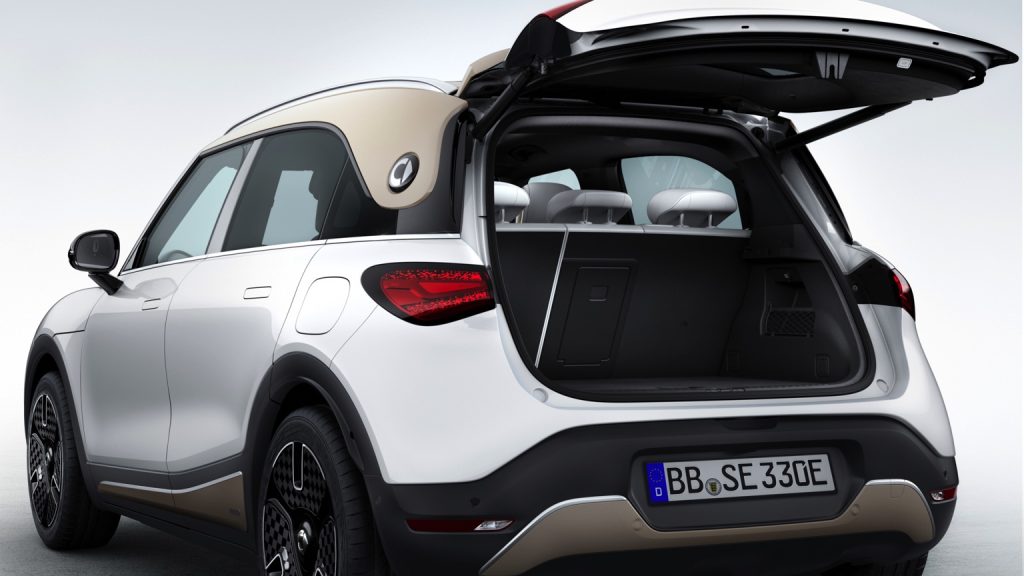
Car interior design is their priority. The area in between you and the car is where you bond with it, and you really drive with the car on those dynamics. Functionalality and utility are not enough for a cabin to offer these days; it has to be a perfect blend of comfort, quality materials and intuitive technology. Proving it’s possible to have fun from two very different angles, the Smart #1 Pro+ and Hyundai Kona Electric Premium surprise us with their interiors, both depicting excellent cabin atmospheres in two extremes. One provides minimalist, lounge-like luxury, the other practical, cutting-edge technology in a driver-focused cockpit.
Smart #1 Pro+: A Premium, Minimalist Lounge
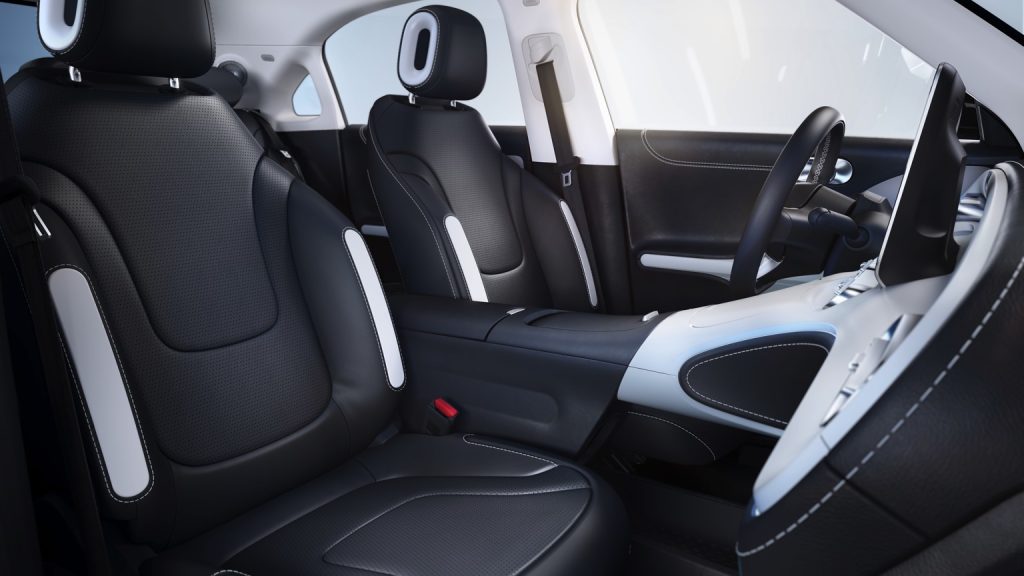
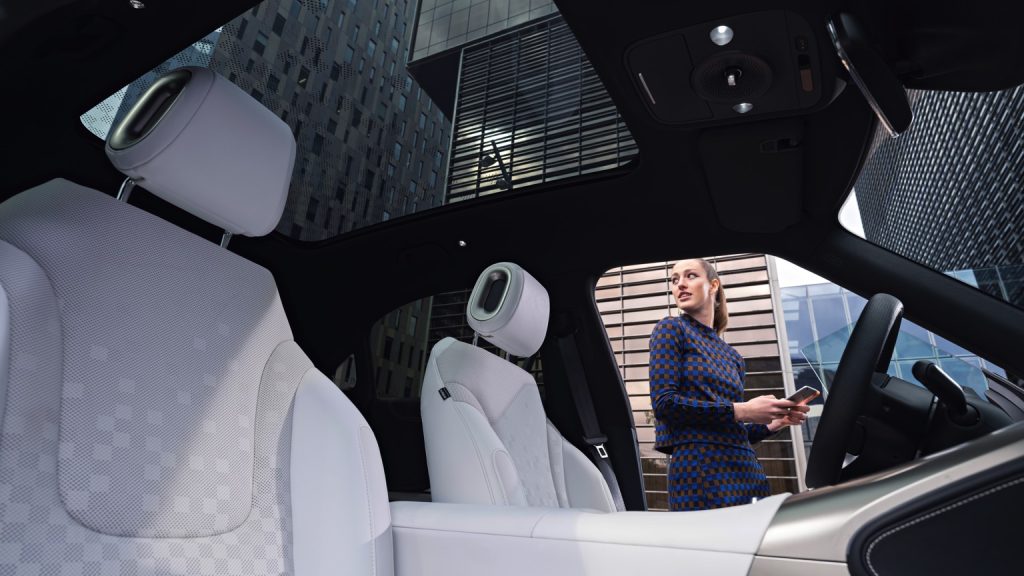
What’s new is stepping into the Smart #1 Pro+ and feeling like a concept car come to life. The layout consists of elemental right angles and straight lines, with soft-touch finishes and a sense of space that belies the vehicle’s modest body size. The dashboard is almost bare, with physical buttons minimised. Instead, a massive 12.8-inch floating touchscreen dominates the cabin and controls just about everything in the car, including navigation, climate control, entertainment and driving modes. This clean-sweep treatment is transformed into a tranquil, polished mood, further complemented with refined materials including vegan leather upholstery and metallic trim accents.
Comfort is evidently a must. The front seats are generously padded and supportive, and they are heated as standard for those chilly mornings. The flat floor, of course, is one of the advantages of the dedicated electric platform, and that means it maximises legroom for front and rear riders; the rear seat is so roomy it really could pass muster for full-grown adults. Pro+, with its huge panoramic glass roof, is another highlight feature, as the vast roof floods the cabin with natural light, adding to the airy feel. Ergonomically, this dependence on the central screen for the majority of controls may involve a minor learning curve, but the system is a quick and playful AI fox avatar that helps with voice commands, giving a unique touch of personality to the tech experience. Storage is smartly integrated, with a spacious, open-plan centre console, sizable door bins and a handy front trunk (frunk) to stow your charging cords.
Hyundai Kona Electric Premium: The Tech-Forward Cockpit
Inside the Kona Electric is a modern and functional design-speak, and the Kona Electric Premium is no different. Where the Smart is minimalist, the Kona is deliberately tech-centric. The dash is dominated by a clean, horizontal design capped by dual 12.3-inch screens that are integrated into a single panoramic panel. One of them is for a digital driver display, and the other one is a multi-touch infotainment display. Unlike the Smart, Hyundai kept a strip of physical buttons for essential tasks such as climate control and shortcuts for media, an ergonomic decision that will enable quick tactile-changing without having to look away from the road.
Comfort and usefulness are Kona’s strong points. The materials are sturdy and well put-together, and the Premium trim adds a splash of quality cloth and leatherette. The seats are built for the long haul, and this extra-cost package brings heating and ventilation to the front seats, a very much appreciated luxury feature. The Kona’s dedicated EV platform also features a flat floor, and the clever packaging provides an abundance of headroom and legroom for all passengers. Hyundai’s “shift-by-wire” gear shifter has been relocated to the steering wheel column, opening up the centre console to a large, multi-purpose storage compartment with customizable dividers.
Technology and Connectivity Showdown
The technology for each vehicle is astounding in a head-to-head, but their interfaces are indicative of their underlying philosophies. The Smart #1 Pro+ interior revolves around its breathtaking 12.8-inch display. The OS is graphically intensive and smartphone-like with a lot of customisation. Connectivity is very good (Apple CarPlay, Android Auto), although the native system is very comprehensive, so some drivers might actually prefer that. The 9.2-inch digital instrument cluster that comes with it is slender and presents necessary information without overloading the driver. The brand’s more advanced driver-assistance (ADAS) systems available as part of the Smart Pilot suite include adaptive cruise control, lane keeping assist and a crystal clear 360-degree camera system, which makes parking and close manoeuvres exceptionally easy.
While the Hyundai Kona Electric Premium is no slouch when it comes to tech, it’s more practical. Its dual 12.3-inch displays are sharp, clear and useful. The infotainment is generally deemed easy to use, quick to respond, and it supports over-the-air (OTA) updates to keep the software updated. One notable revelation is the Vehicle-to-Load (V2L) function, which lets you utilise the car’s battery to recharge your electronic devices, through a typical three-pin plug, indoors and outdoors. Hyundai’s SmartSense ADAS is all-encompassing with sophisticated features, including Highway Driving Assist. And the Premium grade gains a Bose premium audio system and a head-up display that beams critical information straight onto the windshield, helping to keep the driver’s eyes on the road.
Built for Peace of Mind: Safety & Reliability
When it comes to selecting a new car, particularly a daily driver that will be packing around the family, safety and reliability are must-haves. Design and performance get our attention, but what really inspires confidence behind the wheel is a strong safety cage and reliable driver-assistance systems. The Smart #1 Pro+, as well as the Hyundai Kona Electric Premium, are designed with a very high level of occupant protection, combining a solid body structure with packs of cutting-edge safety solutions.
Every maker has its own unique engineering heritage and ethos. Derived from the safety-first DNA of Mercedes-Benz, the all-new Smart #1 Pro+ comes with a new, varied modern platform architecture developed by Geely, designed to achieve top marks in global safety. On the other hand, the Hyundai Kona Electric Premium has the well-tested reliability behind it and the entire gamut of the brand’s comprehensive SmartSense safety suite, developed over a number of vehicle generations. Here, you can find out about the safety ratings, active and passive features, and general dependability that make these two electric SUVs so great.
Smart #1 Pro+ Safety and Structural Integrity
The Smart #1 Pro+ has been crafted with one clear purpose: to achieve the highest safety rankings, as a direct reflection of its Mercedes-Benz co-development. The vehicle is based on the strong Sustainable Experience Architecture (SEA) platform, which incorporates a high composition of high-strength steel to enable a rigid and well-protected passenger safety cell. This solid base is intended to channel crumple and shock energy effectively away from the occupants. Also, the battery pack is integrally enclosed within the chassis and protected from harm in a collision.
In testing alone, this emphasis on solid construction has paid dividends. The Smart #1 received a full five-star safety rating from Euro NCAP, a vehicle safety reference. It achieved exceptional results in the adult occupant and child occupant protection, which reflects how well it is engineered under the skin. The passive safety equipment is comprehensive as standard and includes airbags for the front and sides of the vehicle, as well as sophisticated seatbelt pre-tensioners.
The active safety system, called Smart Pilot Assist, is just as spectacular. Even on the Pro+ model, the system includes:
- Adaptive Cruise Control (ACC) with Stop & Go: Automatically adjusts your speed to maintain a safe distance from the vehicle ahead, even in heavy traffic.
- Lane Keeping Assist (LKA): Provides gentle steering inputs to help keep the vehicle centred in its lane.
- Blind Spot Detection: Alerts the driver to vehicles in their blind spots, enhancing safety during lane changes.
- 360° Camera System: A high-resolution, top-down view of the car makes parking and manoeuvring in tight spaces significantly easier and safer.
Hyundai Kona Electric Premium Reliability and SmartSense
Hyundai has a strong track record for reliability, and the Kona Electric Premium is no exception. The engineers were able to optimise its structure for safety and durability from the beginning because the second-generation Kona was developed based on the dedicated EV platform designed as a purpose-built vehicle. It’s a chassis that is designed to protect not only the passengers, but the high-voltage battery system.
The Hyundai Kona Electric is also rated highly in independent safety tests, which is a testament to the brand’s unwavering commitment to protecting its occupants. Hyundai’s industry-leading warranty coverage also instils confidence in its reliability and offers owners peace of mind over the long term.
The foundation of the Kona Electric’s active safety equipment is the Hyundai SmartSense package. This suite of driver aids is one of the most complete in the segment. On the Premium trim, key features include:
- Highway Driving Assist (HDA): A more advanced system that combines adaptive cruise control with lane-centring technology to reduce driver fatigue on motorways.
- Forward Collision-Avoidance Assist (FCA): Can detect vehicles, pedestrians, and cyclists, automatically applying the brakes to help prevent or mitigate a collision.
- Blind-Spot Collision-Avoidance Assist (BCA): Not only warns the driver of a vehicle in their blind spot, but can also apply braking to avoid a potential collision during a lane change.
- Vehicle-to-Load (V2L): While primarily a convenience feature, V2L adds a layer of reliability by allowing the car to function as a mobile power source during a power outage or emergency.
In the End: Smart #1 Pro+ vs. Hyundai Kona Electric Premium
In the end, the Smart #1 Pro+ and Hyundai Kona Electric Premium both provide excellent safety you can rely on. The Smart #1 Pro+ also scores a five-star Euro NCAP rating, and the standard ADAS features, such as the 360° camera, have a premium feel. The Hyundai Kona Electric Premium has the advantage of a well-established track record for reliability, a longer warranty and the mind-bogglingly extensive and intuitive SmartSense safety pack. It’s not so much a question of which of them is safer, but more a question of which brand’s philosophy to technology and long-term ownership better fits your priorities.
Head-to-Head: Smart #1 Pro+ vs. Kona Electric vs. The Competition
It is not easy to decide between two excellent cars like the Smart #1 Pro+ and the Hyundai Kona Electric Premium. Both are excellent packages, just for slightly different needs. To get a better sense of how they compare, it’s useful to line them up directly against each other and against the best compact electric SUVs on the market. Here’s where a head-to-head comparison of the two is helpful, as it lets us see what each offers in terms of price, performance, range, design and value.
Good alternatives abound in the compact electric battery segment, with such notable choices as the chic Volvo EX30, the best-selling Kia Niro EV, or even the flexible Volkswagen ID.4. By letting the Smart #1 and Hyundai Kona stand out in this wider pool, it becomes clearer when they shine and, more importantly, which buyers should consider each car. This review will enable you to rise above enjoying their attributes to confidently choose which car should be parked in your driveway.
Direct Comparison: Smart #1 Pro+ vs. Hyundai Kona Electric Premium
| Feature | Smart #1 Pro+ | Hyundai Kona Electric Premium |
|---|---|---|
| Starting Price (Est.) | Competitive, positioned as a premium offering. | Strong value, reflecting its extensive feature set. |
| Performance (0-62 mph) | 6.7 seconds | 7.8 seconds |
| Range (WLTP) | Up to 260 miles | Up to 319 miles |
| Design Philosophy | Minimalist, lounge-like luxury with “sensual producty” design. | Futuristic and functional with a rugged, tech-forward aesthetic. |
| Key Value Proposition | Delivers a premium, design-led experience with high-end standard features like a panoramic roof and 360° camera, making luxury accessible. | Offers class-leading range, practical innovations like Vehicle-to-Load (V2L), and a comprehensive suite of safety features for ultimate peace of mind. |
How They Stack Up Against Key Competitors
But no car is made in isolation from others. The Smart #1 Pro+ and Hyundai Kona Electric Premium are up against a lot of other great electric SUVs. Let’s also take a look at how they stack up against competitors such as the Volvo EX30 and Kia Niro EV.
Volvo’s EX30 attacks the Smart #1 Pro+ directly, thanks to these vehicles utilising the same SEA platform, with both looking to a premium, minimalist design for inspiration. The EX30 has even faster performance in its twin-motor configurations, and it embodies Volvo’s sterling safety reputation. Yet the Smart #1 Pro+ frequently seems bigger inside, especially for back-seat passengers, and its standard panoramic roof and 360-degree camera add a touch of premium worth right from the baseline trim. The infotainment system of the Smart is also frequently described as being more fun and graphically richer.
The Kia Niro EV is a direct competitor to the Hyundai Kona Electric, with both being the most practical and economical of the brands. The Niro EV features a sleek look and a very functional cabin with ample storage space. It’s no surprise that it drives much like the Kona, albeit with a more relaxed ride and handling style. However, the Kona Electric Premium often takes the lead with more advanced features like the larger dual-screen display, V2L capability, and a more advanced Highway Driving Assist system. The Kona also has a big leg up in range with its top-tier battery, and that also gives it a big advantage for drivers who tend to go on longer trips.
Conclusion: Which Car Is Right for You?
After all the comparisons, who do we know is the best driver for each of these cars? In the end, the decision is based on what aspects are the most important for you and what you look for the most in an EV.
The Case for the Smart #1 Pro+
The Smart #1 Pro+ is perfect for the style-conscious city dweller and tech nerd. This purchaser has looked at their car as more than simply transportation; it’s a statement piece. They’re attracted by the #1’s sleek, Mercedes-inspired styling, its stark, airy cabin and its fun-to-drive nature. They like the generous standard equipment and the overall premium ethos of the car. While its range is more than sufficient for everyday journeys and short breaks, this car owner has a greater aspiration for defining their vehicle via looks and in-car experience rather than maximum single-charge journey distance.
- Premium Design and Interior: The cabin feels more luxurious than its price suggests, with high-quality materials and a minimalist aesthetic.
- Engaging Driving Dynamics: The rear-wheel-drive setup provides a lively and enjoyable driving experience.
- High Level of Standard Tech: A large central touchscreen, 360-degree camera, and panoramic roof are included even on the Pro+ trim.
The Case for the Hyundai Kona Electric Premium
The Hyundai Kona Electric Premium is a no-brainer for the realistic road warrior and tech-savvy family. This person cares about efficiency, reliability, and utility. They love how the Kona had leader-class safety, technology features, and incredible range; exceeded expectations with practical innovations like V2L; and empowered users with confidence to travel long distances for both daily commutes and holiday road trips. To this buyer, a vehicle is a means to help you through everyday life, and the Kona Electric is among the most versatile and reliable means to do so available.
- Class-Leading Driving Range: Its impressive WLTP range provides freedom from range anxiety.
- Practical and User-Friendly Tech: Features like V2L, physical climate controls, and a comprehensive ADAS suite enhance daily usability.
- Proven Reliability and Warranty: Hyundai’s reputation for dependability is backed by one of the best warranty packages in the industry.
Which Electric SUV Should You Buy?
With a comprehensive, feature-by-feature review, the verdict for both the Smart #1 Pro+ and the Hyundai Kona Electric Premium is a strong testament to why these two EVs have become highly sought after. They’re arguably two of the best choices when it comes to a small electric SUV, but they cater to very different kinds of buyers. Is one of these cars “better?” No, not really. There is a “better fit,” and it depends on your priorities, lifestyle and what you ultimately want from your driving experience. To go design-led luxury and driving fun with a certain trade-off in range and practicality, or to go for class-leading range and maximum practicality? You decide.
In this 2025 Smart #1 Pro+ review, it’s clear that the model is a disruptor in that by moving upmarket, it redefines what its brand is, and the kind of vehicle one would expect from it. It’s a car that captures your heart with its elegance, its cabin, and its fun-to-drive personality. On the other hand, the Hyundai Kona Electric Premium is a shining example of mature EV technology. It wins minds with exceptional range, intuitive technology and a solid sense of reliability. Which of these philosophies speaks to you more powerfully will be up to you to decide.
All in all, both are very decent choices. The Smart #1 Pro+ is a design and desirability bargain that lets you sample the premium experience for less. The Hyundai Kona Electric Premium is a triumph of efficiency and utility, living up to the practical promises of electric mobility. Take them both for a spin, think about what really matters in your day-to-day, and pick the one that not just fills your requirements, but also makes you smile on the road.
Get ready to redefine your drive. Book a test drive with the Smart #1 Pro+ today and check out our in-depth review on The.Car, your go-to site for EV insights.