Taycan Plus vs Tesla Model Y Performance: The EV Showdown Redefining Luxury and Performance
Two Titans, One Electric Battlefield: Defining the New Standard in EV Excellence
The EV field has evolved from early adoption to a full-blown war for supremacy, and the battle is nowhere more apparent than with the Porsche Taycan Plus vs the Tesla Model Y Performance. These two models have gone beyond the initial buzz to become mainstays of the sales charts and command attention not just because of what their badges say but because they have redefined what’s possible in terms of range, performance and integrated technology. While Heritage and Handling Are All a Well-Rounded Taycan Plus Review Should Cover, the Model Y Has the Finishing Blow: Jaw-Dropping Efficiency and Sheer Market Ubiquity. Both cars had managed to capture the imagination of drivers, but they did so by appealing to very different emotional and pragmatic chords.
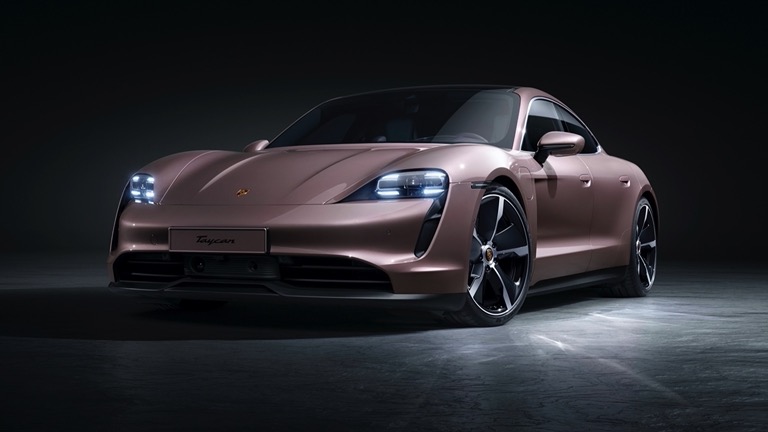
Take a close look at their positioning, and what you get is a really interesting split in ideology. The Porsche Taycan Plus is a flag bearer for legacy auto excellence, with the promise that it’s a luxury EV where the driving experience matters most. It’s a low-slung, performance-oriented sedan that seeks to capture the soul of a sports car, wrapped in an electric exterior. Meanwhile, the Tesla Model Y Performance is a compact performance SUV that celebrates maximalism in utility and minimalism in design. It’s the embodiment of the “tech-first” mentality, focusing on software innovation and interior space. Comparing the Taycan Plus specs to those of the Model Y shows the collision of traditional automotive craft with Silicon Valley disruption. One brings a cockpit centred around the driver, the other a command centre built around the user interface. When all is said and done, this race is really about more than just zero-to-sixty comparisons; it’s a selection between two very different visions of the future. One has the seduction of Porsche’s engineering prowess, a focus on build quality and aerodynamic design that makes the premium price point seem justified. On the other side is Tesla, which has unquestionably the best charging infrastructure and software integration, and superior performance, for the more attainable price point. As we go further into this Taycan Plus vs rivals comparison, we are just setting up a clash between cheap and old, new and dominant. Whether you ache for the tactile feedback of a German sports sedan or for the futuristic utility of an American SUV, these considerations will be key in helping you find the best electric companion for your lifestyle.
Key Highlights from the Driver’s Seat
- 800-volt architecture (Taycan Plus) vs. Supercharger Network (Model Y): Charging pauses on the highway always feel a lot shorter in the Porsche, when you happen upon a high-speed charger, though the Tesla still provides the most seamless, stress-free routing experience across the country.
- Centre of gravity low vs. high seating position: You are so close to the tarmac in the Taycan that you gain confidence in tight corners; the Model Y, on the other hand, gives you that “bird’s eye” view of the road ahead that makes weaving through city traffic a breeze.
- Haptic feedback controls vs. centralised touchscreen interface: Changing Porsche settings is tactile and accurate and doesn’t require looking away from the road, whereas Tesla’s screen brings everything together into a single, elegant hub, making the cabin uniquely airy by hiding such visual clutter behind glass.
- Two-speed transmission (Taycan Plus) vs. single-speed efficiency: The Porsche provides a definitive, punchy shift at high speed that makes highway overtakes thrilling to continue accelerating on, which contrasts with the Tesla’s unendingly soft, linear surge of power.
Quick Recap: The Tale of the Tape
Before we get too bogged down in cornering speeds and infotainment systems, it’s useful to know exactly where these two contenders sit on paper. Consider this section a short, punchy rundown of the key differences between the Porsche Taycan Plus and the Tesla Model Y Performance. And if you want a no-nonsense Taycan Plus review that cuts through all the noise, this is the context you need to know why these two machines are such fierce rivals.
| Feature | Porsche Taycan Plus | Tesla Model Y Performance |
|---|---|---|
| Drivetrain | Rear-Wheel Drive | Dual Motor All-Wheel Drive |
| Battery Capacity | 93.4 kWh (Gross) | ~82 kWh (Est.) |
| Horsepower (Overboost) | Up to 469 hp | ~456 hp |
| 0-60 mph (0-100 km/h) | 5.1 Seconds | 3.5 Seconds |
| Top Speed | 143 mph (230 km/h) | 155 mph (250 km/h) |
| Range (WLTP Est.) | ~300+ miles (varies by spec) | ~319 miles |
| Charging Speed (Max) | 270 kW | 250 kW |
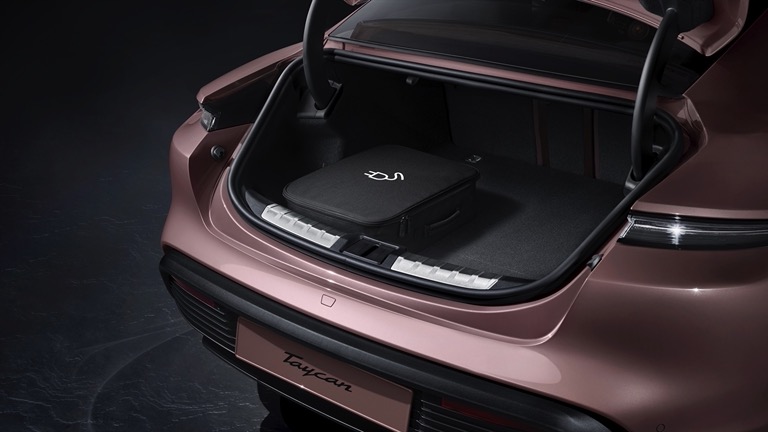
| Cargo Space (Frunk + Trunk) | ~17 cu ft (combined) | ~76 cu ft (seats folded) |
| Starting Price (Est.) | Premium Luxury Segment | Entry Premium Segment |
Overview & Design Inspirations: Engineering the Future
The Clash of Philosophies: Heritage vs. Disruption
Reviewing the current EV line-up, the Porsche Taycan Plus vs. Tesla Model Y Performance is a perfect lesson in contrasting approaches to engineering. This isn’t just a matter of comparing bumpers and headlights; it’s an exercise in how two auto cultures think about using electrons to move people. We have Porsche on one side with 70 years of combustion engine excellence, continuing to bring the soul of a Porsche into the electric age. Then there’s Tesla, which sees the car as a software platform wrapped in sheet metal, rather than the other way around.
For anyone performing a Taycan Plus review, it is immediately apparent how purposeful the design is. Porsche hasn’t just made an EV; they’ve made an electric Porsche. The Model Y appears to be the epitome of production efficiency and digital minimalism. Knowing these basic differences, among others, can make the choice easier for a buyer deciding between old-world prestige and new-world utility.
Key Highlights from the Driver’s Seat
- Curved driver display vs. Single centre screen: The Porsche’s instrument cluster sits directly in your eyeline, meaning you can check your speed and navigation without ever looking away from the apex of a corner.
- Physical drive selector vs. Screen-based shifting: Engaging “Drive” in the Taycan involves a satisfying toggle on the dash, giving you a tactile confirmation of readiness that a touchscreen swipe simply cannot replicate.
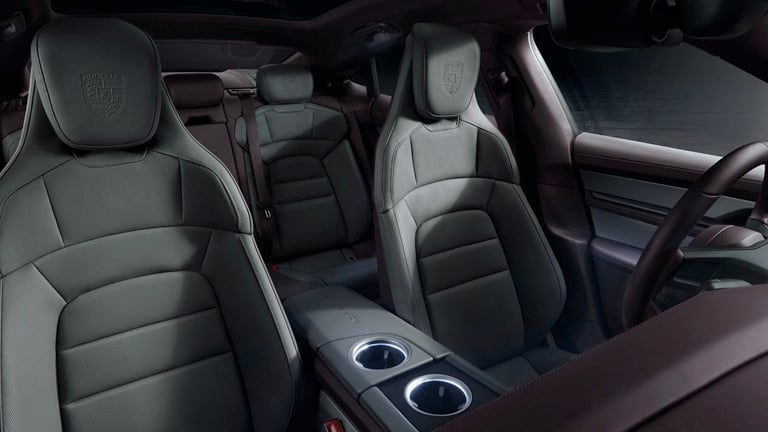
- Sculpted bucket seats vs. Open lounge seating: The Taycan’s seats hug your ribs securely during aggressive turns, whereas the Model Y’s flatter seats allow for easier entry and exit during daily errands.
- Consistent regenerative braking vs. One-pedal driving: Porsche allows the car to coast freely when you lift off the throttle, mimicking a traditional gas car feel, while Tesla’s aggressive regen slows the car immediately, making city driving effortlessly manageable with just one foot.
Variants & Trims Breakdown: Decoding the Lineup
Navigating the Maze of Options
Buying an electric car is not just a matter of choosing a model; you have to negotiate a gauntlet of trims, battery packs and performance upgrades. When you stack the Taycan Plus options against the Tesla Model Y configurations, you are really deciding between a refined, à la carte experience and a streamlined, all-you-can-eat buffet. Porsche has a more granular approach in which nearly everything can be customised, while Tesla has a much simpler process with just a handful of choices.
You need to know the difference between these because the base price is almost never the actual price, not even here with the German challenger. On that note, we strip away marketing layers so you can see just what you’re getting for your cash, and where the real value is in each lineup.
Porsche Taycan: The Art of Customisation
The Porsche Taycan range is quite wide and tailored to cater for a certain taste of driving among different types of drivers. The “Plus” in our headline for this test indicates that we are using the Performance Battery Plus, which is a bigger 93.4 kWh pack that offers more range and power.
- Taycan (Basic model): The starting point. Rear-drive perfection that values purity over brute force. It’s lighter and a bit more nimble, but doesn’t have the raw shove of the upper levels of trim.
- Taycan 4S: The sweet spot for most folks. It adds a motor on the front axle for AWD. The Performance Battery Plus makes a noteworthy leap in horsepower and torque, harmonising daily practicality with spectacular performance.
- Taycan Turbo & Turbo S: The apex predator. These trims boast acceleration figures that defy the laws of physics. They come standard with the bigger battery and the optional performance gear, such as rear-axle steering and ceramic composite brakes.
Value Proposition: The Taycan’s value lies in its build quality and customisation. You aren’t just buying a car; you are commissioning a vehicle tailored to your exact taste. However, be warned: the Taycan Plus price can escalate quickly once you start ticking boxes for features that might be standard on competitors.
Tesla Model Y: The Power of Simplicity
Tesla’s approach is radically different. The Model Y Performance sits at the top of a very short food chain, representing the maximum potential of the chassis without needing to navigate complex option lists.
- Model Y Long Range: The endurance runner. It prioritises maximising distance on a single charge while still offering brisk acceleration that beats most traffic.
- Model Y Performance: Our main contender. It sacrifices a small amount of range for a significant boost in power, a lowered suspension, performance brakes, and larger 21-inch Überturbine wheels.
Value Proposition: The Model Y Performance offers incredible “bang for the buck.” You get supercar-beating acceleration, a comprehensive infotainment ecosystem, and Autopilot capabilities all included in the sticker price. The only real options are paint colour, interior colour, and the Full Self-Driving capability software package.
Different Variants: Strengths and Innovations
The Taycan’s Engineering Marvels
Each of the Taycan Plus variants brings a unique character to the road. The innovation here isn’t just in the battery, but in the transmission. The Taycan utilises a unique two-speed transmission on the rear axle. First gear provides explosive acceleration from a standstill, while the long-ratio second gear ensures high efficiency and power reserves at high speeds.
- Base Model Innovation: Focuses on rear-drive dynamics, offering a purist driving feel that is rare in the heavy EV segment.
- Turbo S Innovation: Features an “overboost” function that can temporarily deploy up to 750 horsepower (560 kW) for launch control starts, creating g-forces comparable to falling off a building.
The Model Y’s Software Dominance
The Model Y Performance relies on software innovation to maximise its hardware.
- Track Mode: Exclusive to the Performance trim, this software feature allows drivers to customise the handling balance, stability control, and regenerative braking to suit track driving. You can even dial the car to be 100% rear-wheel-drive biased for drifting.
- Heat Pump Efficiency: All variants now include Tesla’s “Octovalve” heat pump system, a marvel of thermal engineering that drastically improves range in cold weather by scavenging heat from the battery and motors to warm the cabin.
Taycan Plus Vs Tesla Model Y Performance Spec Sheet Appendix
| Feature | Porsche Taycan (Base w/ Perf. Battery Plus) | Porsche Taycan 4S (w/ Perf. Battery Plus) | Tesla Model Y Performance |
|---|---|---|---|
| Drivetrain | Rear-Wheel Drive | All-Wheel Drive | Dual Motor All-Wheel Drive |
| Battery Capacity | 93.4 kWh (Gross) | 93.4 kWh (Gross) | ~82 kWh (Est.) |
| Horsepower (Overboost) | Up to 469 hp | Up to 562 hp | ~456 hp |
| 0-60 mph (0-100 km/h) | 5.1 Seconds | 3.8 Seconds | 3.5 Seconds |
| Top Speed | 143 mph (230 km/h) | 155 mph (250 km/h) | 155 mph (250 km/h) |
| Range (WLTP Est.) | ~300+ miles (varies by spec) | ~280+ miles (varies by spec) | ~319 miles |
| Charging Speed (Max) | 270 kW | 270 kW | 250 kW |
| Cargo Space (Frunk + Trunk) | ~17 cu ft (combined) | ~17 cu ft (combined) | ~76 cu ft (seats folded) |
| Starting Price (Est.) | Premium Luxury Segment | High-End Luxury Segment | Entry Premium Segment |
Performance & Driving Dynamics
Feel the Difference: Porsche Performance & Driving Experience
When the badge on the hood says Porsche, the bar for performance and driving dynamics is set ridiculously high. An electric powertrain doesn’t alter this; it just raises the bar. A real Taycan Plus review has to concentrate on how the car feels rather than how quick it is. Porsche engineers had to translate the brand’s soul, its motorsport DNA, into a silent, electric platform. The end result is a car that favours driver involvement and feedback above all else, offering a performance experience that is as much about feel as it is about figures.
The basis for the Taycan Plus performance is in its permanently excited synchronous motors and pioneering 800-volt technology. In the rear-wheel-drive Taycan with the Performance Battery Plus, the motor produces up to 469 horsepower (350 kW) with Overboost Power for Launch Control. This coalesces a sub-six 0-100 km/h (0-62 mph) sprint with a top speed of 230 km/h (143 mph). What is more impressive is the two-speed transmission on the rear axle. The short second gear maintains acceleration high up in the band for a sporty drive, rather like holding on the throttle after a gear change in a manual car. This mechanical shift, an EV oddity, adds a layer of character that connects the driver to the machine.
More than just its numbers, the real magic of the Taycan is in its dynamics. The adaptive air suspension with the Porsche Active Suspension Management (PASM) adjusts the suspension’s damping force continuously according to road conditions and driving style.
In “Normal” mode, the ride is hard but not too hard, so that it soaks up the rough stuff with a finesse that’s surprising for a car undoubtedly meant to go fast. Switch to “Sport” or “Sport Plus,” and the car hunkers down, the steering tightens, and the throttle response becomes instantaneous. The steering itself is a masterpiece, perfectly weighted, incredibly precise and richly rewarding, telling you exactly what the front tyres are up to. It’s more like you’re driving an electric version of a 911 than an electric sedan.
Performance & Driving Experience Comparison
The fundamental difference between the driving experiences of the Taycan Plus and the Tesla Model Y Performance comes down to their basic engineering philosophies. Porsche had made a sports car that’s electric, and Tesla made a tech product that’s a car. Both are blisteringly fast, but the way they make their seemingly superhuman performance available to us is entirely different. The Taycan’s two-motor all-wheel-drive system (standard 4S and up) is designed for maximum traction and dynamic handling, and to allow a slight rear bias that enhances the feeling of cornering fun. Instead, the Model Y’s dual-motor arrangement treats this as primarily a scenario of maximising linear grip and efficiency.
Model Y Performance is a relentless series of acceleration bursts. It’s a point-and-shoot weapon, delivering immediate and breathtaking power that pins you to the roadside. The experience is a thrill a minute, but also kind of one-dimensional. The power delivery of the Taycan is smoother and more fluid. The two-speed gearbox kicks up a storm while you’re rev-flat knuckling, and the chassis relays to you all the nuance of the tarmac. Although the Tesla’s stiff suspension and low centre of gravity (for an SUV) permit it to take corners flat and quickly, it can be a bit skittish and unrefined on rough pavement. The Taycan, with its superior adaptive suspension, maintains poise and comfort even when driven hard on a bumpy road.
| Feature | Porsche Taycan Plus (RWD) | Tesla Model Y Performance (AWD) |
|---|---|---|
| 0-100 km/h (0-62 mph) | 5.4 seconds | 3.7 seconds |
| Top Speed | 230 km/h (143 mph) | 250 km/h (155 mph) |
| Driving Modes | Range, Normal, Sport, Sport Plus, Individual | Chill, Sport |
| Special Modes | Launch Control | Track Mode |
| Suspension | Adaptive Air Suspension (PASM) | Sport-tuned fixed suspension |
| Steering Feel | Precise, communicative, heavily weighted | Quick, light, less feedback |
Key Highlights from the Driver’s Seat
- The Taycan’s low seating position makes you feel connected to the road, while the Model Y’s high driving position gives you a commanding view of traffic.
- Punching the throttle in the Taycan in Sport Plus mode gives you an engineered, futuristic soundscape that builds with speed, making the experience more visceral.
- Lifting off the throttle in the Taycan allows it to coast like a traditional petrol car, using recuperation mainly during braking for a more natural feel.
- The Taycan’s optional rear-axle steering dramatically shrinks the car’s turning circle at low speeds, making it surprisingly nimble in tight car parks.
Taycan Plus vs Model Y: Interior & Tech
A Tale of Two Cabins: Craftsmanship vs. Minimalism
When you step inside the Porsche Taycan Plus and the Tesla Model Y Performance, you find yourself in two very different takes on the automotive future. The place where drivers spend the bulk of their time in any car is its interior, and the design philosophies expressed therein can tell you a lot about what each brand values. One cabin is a finely-tuned cockpit designed for the craft of motoring, the other an airy open-plan space centred around a digital hub.
In this part of our all-encompassing Taycan Plus test drive review, discover what sets the interior design, materials, comfort and new tech on board. Let’s see which car gives ergonomics the best kiss of innovation, and practicality the loveliest whisper of luxury. To understand which car’s ambience is best suited to your routines and tastes, you have to have a clear picture of these distinctly different styles.
Taycan’s interior is a masterclass in driver-oriented ergonomics. At first glance, this looks like a surprisingly spacious, well-outfitted place for passengers, and it is. The dashboard design is based on the FPS classic ‘Porsche’ horizontal arrangement with a breathtaking 16.8-inch curved digital instrument cluster at the centre of the driver’s view. Materials are a standout; from soft, naturally tanned Olea leather to tactile Race-Tex microfiber, every element feels substantial and luxe. Remaining physical controls, such as the gear-selector toggle and the climate vents, have a satisfying, damped feel that reinforces the sense of quality.
In contrast, the Model Y Performance advocates extreme minimalism. The whole interior revolves around one 15-inch horizontal touchscreen that manages almost all vehicle functions, from moving the side mirrors to viewing your speed. The lack of a traditional instrument cluster or physical buttons contributes to a clean, spacious ambience, enhanced further by the standard panoramic glass roof. Vegan leather covers the seats that are sturdy and easy to clean, so a bit more emphasis was placed on the practicality side than the pure luxury. Storage is a natural forte, what with cavernous centre console, capacious door pockets and an immense boot space at the rear, making the Model Y a surprisingly all-round day driver.
In terms of technology, both vehicles are leaders, but they showcase their features in different ways. The Taycan Plus technology package comes with up to five screens, including an optional passenger display, creating a futuristic, yet divided ecosystem. Porsche Communication Management (PCM) gives full integration via Apple CarPlay and an intelligent voice assistant. Tesla’s infotainment system sets the bar for speed and ease-of-use, including built-in features like Netflix, YouTube and a web browser. Its over-the-air (OTA) updates continually introduce new features, helping the car feel fresh for years. Both provide sophisticated driver-assistance systems (ADAS), but Tesla’s Autopilot is the best known for hands-on highway driving assistance.
Porsche Design & Exterior
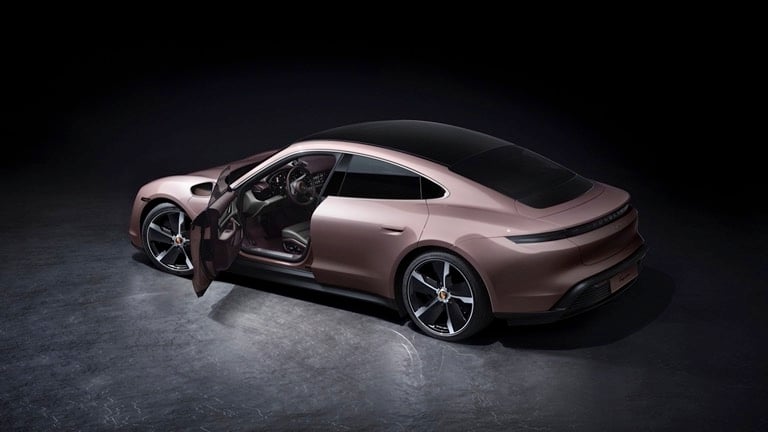
The outside designs of both these vehicles mirror what is underneath. So yes, the Taycan is a Porsche, but it’s also shaped by the aerodynamics and motorsport know-how that Porsche really scales a touch ‘up and out’ in terms of size for genuine next-generation sports car dynamics. It is broad, squat and dynamic and is distinguished by the iconic “flyline” roof, which is a gently curved downward slope at the back. They’re not just decorative: vertical air curtains at the front efficiently guide air around the wheels, minimising turbulence. The body is an advanced aluminium and high-strength steel structure, engineered to maintain a low centre of gravity while providing optimal rigidity for agile handling.
The Tesla Model Y Performance is designed by the principles of production simplicity and aerodynamic efficiency. Its overall shape is softer and more homogeneous, adopting a tall, crossover stance that optimises internal space. Based on the Model 3 chassis, the vehicle’s design includes huge single-piece castings for the front and rear underbody, a production breakthrough that cuts weight, cost and complexity. The end result is a form that is simple and practical, though it isn’t quite as emotionally charged as the Taycan’s chiselled contours.
| Exterior Feature | Porsche Taycan Plus | Tesla Model Y Performance |
|---|---|---|
| Colours | Extensive palette including custom “Paint to Sample” options | Limited selection of five standard colours |
| Lighting Signature | Four-point LED daytime running lights; full-width rear light bar | Distinctive, slim LED headlights; simple LED tail lamps |
| Aerodynamics | Active aero, including adaptive rear spoiler and front air curtains | Smooth underbody and flush door handles for low drag coefficient |
| Body Detailing | Pronounced rear haunches, sculpted side panels, functional vents | Minimalist and clean, with few character lines or ornamentation |
Key Highlights from the Driver’s Seat
- The Taycan’s curved digital cluster puts vital driving information directly in your line of sight, allowing you to check speed or navigation without looking away from the road.
- The Model Y’s massive glass roof creates a bright, airy feeling for all passengers, making the cabin feel much larger than its footprint suggests.
- Adjusting the climate control in the Taycan can be done via a dedicated touchscreen with haptic feedback, giving you tactile confirmation without taking your eyes off the road.
- The Model Y’s expansive rear cargo area and underfloor storage, combined with its front trunk (“frunk”), offer unparalleled practicality for family trips or hauling bulky items.
Taycan vs. Model Y: Safety & Reliability
Built to Protect: Analysing Safety & Reliability
When you’re talking about a high-performance EV, speed and breaking barrier tech are only a part of the story. That said, there’s also the peace of mind knowing you and your passengers are covered by a suite of advanced safety systems and strong engineering. In this section of our Taycan Plus review, we take a look at the safety and reliability ratings for both the Porsche Taycan and Tesla Model Y Performance, including crash-test scores and how software impacts long-term ownership.
Tesla and Porsche have both spent considerable resources towards developing vehicles that comply with, and in many cases, surpass global safety regulations. However, their brand philosophies and approaches to risk are completely different. Porsche uses decades of motorsport engineering to create a physically robust and predictable chassis, whilst Tesla uses a data-driven, software-first methodology to active safety and collision avoidance. Knowing these variances will enable you to determine which brand’s approach to safety is more in line with your own.
The Porsche Taycan’s exceptionally strong passenger cell has been further enhanced using a multi-material mix of aluminium and hot-formed steel, making the rigidity of the safety cage an unsurpassed benchmark. This base is offset by a full suite of passive safety features, including eight airbags as standard, with the addition of rear side airbags optionally available. The Taycan Plus safety technology is an example of Porsche’s fussiness. The brakes, a trait of the brand, are strong and do not fade. Choices include internally vented cast-iron rotors to colossal Porsche Ceramic Composite Brakes (PCCB), each delivering monumental and repeatable stopping power.
In the same way, the Tesla Model Y Performance has earned the highest safety scores from all major testing organisations globally, including the 5-Star rating from the National Highway Traffic Safety Administration (NHTSA) in the United States. Since its design includes no traditional engine, it can have a larger front crumple zone for absorbing impact energy. The car’s low centre of gravity, achieved by placing the battery pack beneath the floor, also plays a significant role in reducing rollover potential. The Model Y is also equipped with a traditional complement of airbags and a specially designed body for protection in a collision.
A major distinction is the more advanced driver-assistance systems (ADAS). The Taycan provides Porsche InnoDrive, with adaptive cruise control including stop-and-go and active lane keeping and traffic jam assist. These systems are very well polished and effective, but many of them are optional extras which increase the final cost of the Taycan Plus. Meanwhile, Tesla makes its Autopilot system standard on all vehicles. This ADAS suite is also the most robust, with advanced adaptive cruise control and lane centring. The optional Full Self-Driving (FSD) Capability package adds such capabilities as traffic light recognition and auto-steering on city streets, but it still requires active driver supervision.
Reliability is more of a mixed bag when talking about EVs. The Porsche build quality is what anchors the Taycan Plus reliability. The instrument panel is solid, panel gaps are even, and the materials are chosen to withstand the test of time. As a traditional car company, Porsche has the advantage of a well-established and widespread service network. But, as any specialist will tell you, maintenance and repairs on any exotic, high-performance car are expensive.
How Reliable Are Teslas? There are strong opinions both ways. Although the electrified powertrain itself has shown to be exceedingly robust, with very few moving parts, the brand has been criticised for some early build quality issues, such as uneven panel gaps and rattling interiors. But one big win for Tesla is that it delivers OTA (over-the-air) software updates. These software updates can add infotainment features, fix bugs, improve vehicle performance and safety systems, and in many cases, make you visit the service centre less. This software-first approach means the car you buy today can actually get better over time.
Key Highlights from the Driver’s Seat
- The Taycan’s powerful and progressive braking feel inspires immense confidence during spirited driving, giving you precise control right up to the limit.
- Tesla’s standard Autopilot system makes long-distance motorway driving significantly less fatiguing, expertly managing speed and lane position with smooth inputs.
- The solid thud of a closing Taycan door provides an auditory confirmation of its bank-vault build quality, reinforcing a sense of security and craftsmanship.
- The Model Y’s seamless integration of navigation with the Supercharger network provides unparalleled peace of mind on road trips, automatically planning charging stops and pre-conditioning the battery for faster speeds.
Taycan Plus vs. Model Y: The Final Showdown
Stacking Up the Competition
Comparing the Porsche Taycan Plus vs the Tesla Model Y Performance always seems like a choice of the type of person you are. The electric car market is burgeoning, and enticing competitors take on both the established luxury of Porsche and the tech-centric power of Tesla. An overall Taycan Plus review needs to zoom out from its immediate opponent to see how it slots into the wider field.
To help give you a better perspective, we are going to pit these two titans against themselves and set them next to a couple of other premium EV segment contenders: the Audi e-tron GT and the Lucid Air. Here are the key price, performance and range, design and overall value comparisons. When we put these two vehicles side by side, we can better understand what makes each model uniquely suited to which type of car buyer.
Head-to-Head: Taycan Plus vs. Model Y Performance
The central tension is as follows: the Taycan is a tailor-made experience for the driver with a high premium price tag, while the Model Y offers ludicrous performance and utility for a fraction of the cost. The Taycan Plus starts in a whole different bracket, and a couple of options can easily send it soaring to more than double the cost of a Model Y Performance. In return, you get build quality that is far above average, an interior that is far more luxurious, and a driving feel that is polished by decades of motorsport know-how. The Tesla, meanwhile, delivers a more utilitarian package with better cargo space and a more mature infotainment and driver-assistance suite as standard.
Broader Market Context: Taycan Plus vs. Competitors
The Audi e-tron GT is perhaps the closest rival to the Taycan. Built on the same J1 platform, it shares the same mix of performance and luxury. The e-tron GT trails very closely with a slightly more comfort-oriented ride, also featuring Audi’s style design language. It competes with the Porsche by delivering a similar standard of German engineering and prestige, sometimes with more standard equipment for a similar price.
Lucid Air is in the race as yet another tech-heavy disruptor, akin to Tesla, but with more of an emphasis on extreme luxury and industry-leading distance per charge. Some versions of the Lucid Air outdistance all other cars in this list by the potential mileage per charge. It blends the Taycan’s luxury with Tesla’s innovation, sporting a roomy, high-end interior and astounding powertrain efficiency. That makes the Taycan Plus vs the competition conversation very meaningful to those buyers who are looking at the very, very high end.
| Feature | Porsche Taycan Plus (RWD) | Tesla Model Y Performance | Audi e-tron GT | Lucid Air (Touring) |
|---|---|---|---|---|
| Starting Price (Est.) | High Premium (~£75,000+) | Entry Premium (~£41,990) | High Premium (~£80,000) | Luxury (~£71,000) |
| Performance (0-60 mph) | 5.1 seconds | 3.5 seconds | 3.9 seconds | 3.4 seconds |
| Range (Est.) | ~240-300 miles | ~303 miles | ~249 miles | ~425 miles |
| Design Philosophy | Driver-focused sports sedan | Minimalist utility crossover | Gran turismo, tech-luxury | Futuristic luxury sedan |
| Value Proposition | Driving dynamics, brand prestige, customisation | Performance-per-dollar, practicality, tech ecosystem | A blend of comfort and performance, design | Ultimate range, interior space, innovative tech |
Who Should Buy Which Car?
After presenting the data, the best buyer for each car is obvious.
The Porsche Taycan Plus Is for the Driving Purist
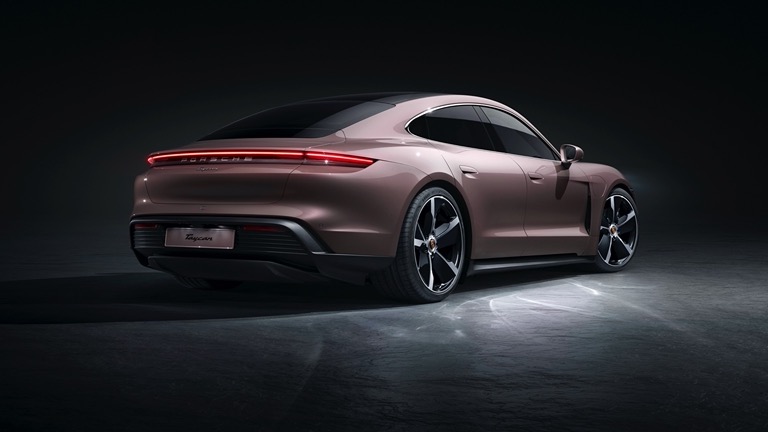
This customer is at the wheel, experience-informed about everything else. They like tactile feedback, handling precision, and the prestige that comes with the Porsche badge. They are happy to pay more for higher build quality and the ability to personalise their car down to the exact specifications. They don’t see a car purely as a means of transport; it’s an emotional buy.
The Tech-Savvy Pragmatist: Tesla Model Y Performance
This customer needs the fastest acceleration, the most practical cargo space, and the best charging network, all for the lowest price. They’re fans of the minimalist, screen-heavy interior, too, and love that software updates keep making their cars better. They want a car that can serve as a multi-purpose tool of daily life, from commuting to taking the family on road trips.
The Audi e-tron GT is for the Comfort-Oriented Enthusiast.
This buyer wants the performance and build quality of the Taycan but a ride that is a touch more compliant, and a look that is somewhat different. They value the contemporary elegance of the Audi brand and desire a high-performance grand tourer that is equally at home on the autobahn as it is on a mountain road.
The Lucid Air is for the Early Adopter Seeking Ultimate Luxury and Range
This consumer is hungry for new technologies and is interested in leading-edge EVs. They are drawn to the concept of class-leading range and a roomy, futuristic cabin. They view their car as a symbol of being progressive and innovative.
Key Highlights from the Driver’s Seat
- The Taycan’s customisable driving modes allow you to tailor the car’s personality, a feature you pay for but which competitors often simplify.
- The Model Y’s unmatched cargo capacity, combined with its front trunk, makes it the clear winner for weekend trips to the hardware store or packing for a family holiday.
- The Audi e-tron GT strikes a beautiful balance, feeling nearly as sharp as the Taycan but with a ride that’s more forgiving on rough city streets.
- The Lucid Air’s expansive interior and massive range remove any lingering anxiety about EV ownership, making it a true long-distance champion.
Why Choose the Taycan Plus or the Model Y Performance?
Making the Choice: Aligning Your Drive with Your Lifestyle
Taycan Plus vs Tesla Model Y Performance: which should you buy? It’s less about which car is “better” and more about which car suits your needs better. Both cars are the best-ever electric performance versions of their body styles, but they have wildly different priorities. The question is whether or not you want the art of driving and custom-tailored luxury or the ease of advanced technology and everyday use. A thorough review of the Taycan Plus shows a machine built for engagement, while a breakdown of the Model Y reveals a device engineered for efficiency.
The Porsche Taycan Plus makes a strong argument for being one of the best high-performance EVs you can get right now by never making concessions to its brand identity. Porsche’s approach wasn’t to make an electric car, but to make a Porsche that happens to be electric. It shows in its low driving position, communicative steering and a chassis that almost feels alive on a twisty road. It is for the many who regard driving not as a chore, but a joy. For day-to-day driving, its adaptive air suspension ensures a surprisingly smooth ride, and for highway jaunts, its 800-volt system enables stops for charging that are astonishingly brief, cutting downtime to a minimum.
By contrast, the Tesla Model Y Performance distinguishes itself as the master of practicality. Its attraction is in its absolute versatility. As a daily commuter, its one-pedal driving and Autopilot system alleviate the hassle of stop-and-go traffic. City driving: Its high seating position provides you with a clear view of the road, and its refined powertrain makes city driving a breeze. For long journeys, access to the unmatched Tesla Supercharger network eliminates virtually all range anxiety. Tesla’s approach is to bundle the vehicle so closely into your digital life that you think of it as a particularly efficient and intelligent appliance for day-to-day living.
Porsche Taycan Plus
Pros
The Taycan Plus lifestyle fit is for the discerning individual who appreciates craftsmanship and driving dynamics. It’s the perfect vehicle for weekend drives on scenic routes, making a statement upon arrival, and enjoying a commute that feels more like an event.
- Unmatched Driving Dynamics: The Taycan offers a level of handling precision, steering feedback, and chassis balance that is unmatched in the EV world, providing a true sports car experience.
- Superior Build Quality and Luxury: From the premium interior materials to the flawless panel gaps, the Taycan exudes a sense of quality and craftsmanship that justifies its price.
- Ultra-Fast Charging: The 800-volt architecture allows the Taycan to charge from 10% to 80% in under 23 minutes at a capable DC fast charger, making road trips more feasible.
Tesla Model Y Performance
Pros
The Model Y Performance is the ultimate do-it-all EV. It suits the tech-forward individual or family who needs a single vehicle to handle everything from school runs and grocery shopping to cross-country road trips, all while delivering shocking acceleration.
- Incredible Value and Performance: It offers supercar-level acceleration and a comprehensive suite of technology for a fraction of the cost of its European rivals.
- Unbeatable Practicality and Space: With its massive rear cargo area, underfloor storage, and front trunk, the Model Y offers an abundance of space for luggage, gear, or pets.
- Seamless Tech Ecosystem: The industry-leading infotainment system, reliable over-the-air updates, and dominant Supercharger network create an effortless and convenient ownership experience.
Key Highlights from the Driver’s Seat
- The Taycan’s sculpted seats hold you firmly in place during spirited cornering, making you feel one with the car.
- The Model Y’s app functionality, allowing you to pre-cool the cabin or monitor charging from your phone, is a convenience you quickly learn to love.
- For the daily commute, the Taycan’s quiet cabin and smooth ride (in Normal mode) provide a serene escape from traffic noise.
- The Model Y’s cavernous cargo space with the seats folded down means you can tackle a trip to IKEA without a second thought.
Choosing the EV That Truly Fits Your Life
After delving into the engineering DNA, driving dynamics, and everyday practicality of both the Porsche Taycan Plus and the Tesla Model Y Performance, one fact stands out: the “best” EV is not universal; it’s personal. These two machines exemplify whole different philosophies, and which one is right for you comes down to whether you want emotional connection or uncompromising practicality.
If you’re the kind of driver who cares about heart, precision and craftsmanship, then yes, the Porsche Taycan Plus is totally worth buying. Everything we do, every steering input and every corner becomes an event. This is not an EV that you just use, but one that you experience. It doesn’t earn its premium by giving you the most features per buck, but by being a rolling sculpture of performance and heritage.
Meanwhile, Tesla’s Model Y Performance is simply a tour de force of contemporary usefulness. It’s the EV for the late-adopter buzzword-binger science-minded commuter dad type family. Thanks to its effortless charging system, incredible acceleration, and practical usability, the Model Y offers tremendous value in a way few EVs do.
Should You Buy the Porsche Taycan Plus?
Choose the Taycan if you:
- Crave a deeply engaging, driver-first experience
- Appreciate refined craftsmanship and luxury
- Want a sports EV that feels hand-built and heritage-rich
Should You Buy the Tesla Model Y Performance?
Choose the Model Y if you:
- Want a single vehicle that does everything
- Value technology, convenience, and long-term usability
- Prioritise practicality, cargo space, and rapid charging access
In the end, this is a decision between emotion and logic, between a luxury EV built for passion and an all-purpose EV built for life. Whichever you choose, you’re stepping into the future of mobility just in a way that best matches your personality, priorities, and daily drive.
Ready to Find Your Perfect EV?
Explore our full comparison breakdowns, driving impressions, and buyer guides, then get personalised recommendations tailored to your budget, lifestyle, and driving style.
Head to The.Car now and find your ultimate EV showdown winner!